
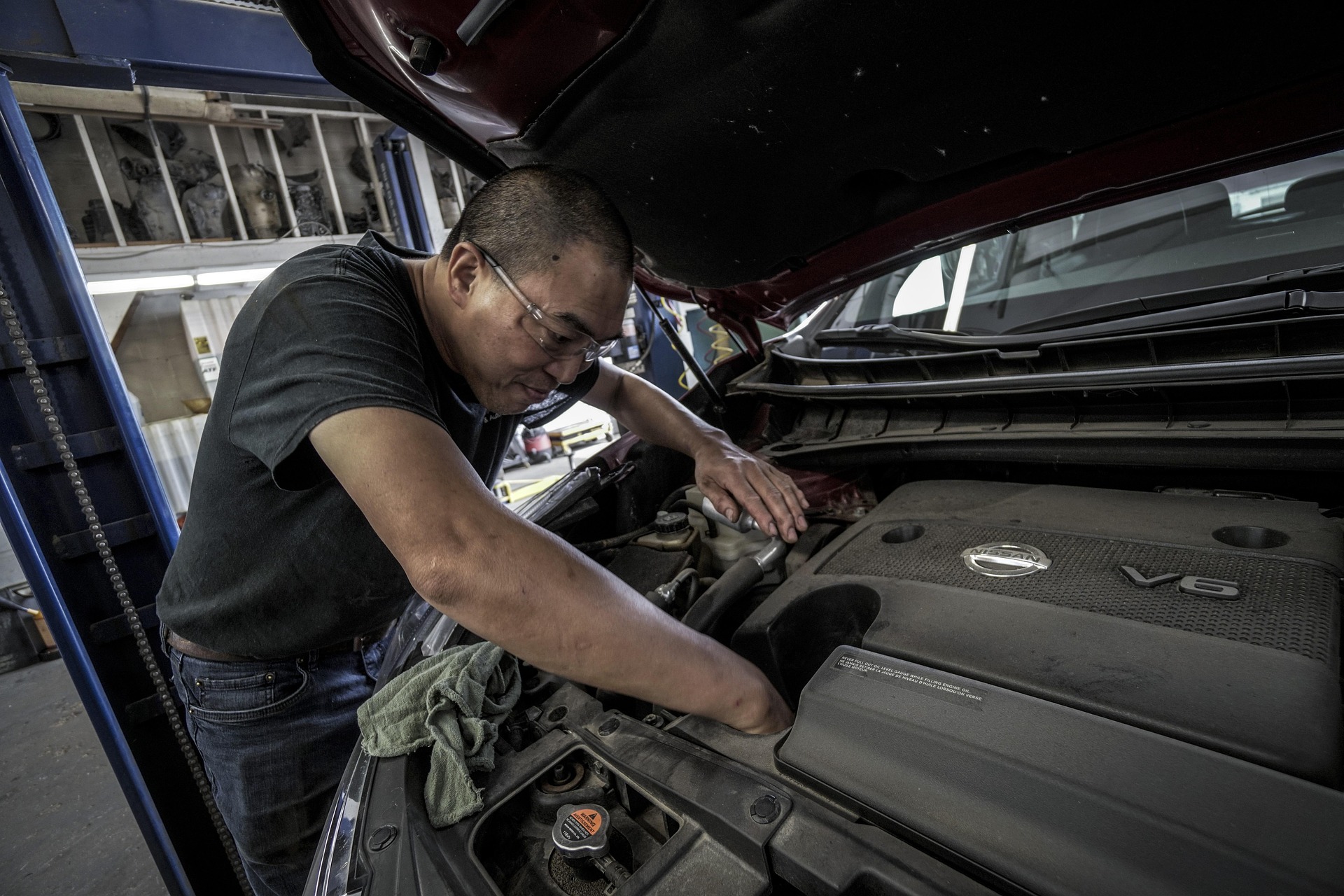
Every used car buyer worries about hidden issues. Skip the worry with a real inspection. This simple 10-point guide shows you where to look, so you can buy with your head, not just your heart.
Why a Pre-Purchase Inspection is Non-Negotiable
A shiny car is not always a healthy car. A qualified mechanic finds flaws you’d never see. It’s a small price to pay to avoid being stuck with someone else’s expensive problem.
The Two-Part Inspection Strategy
To avoid surprises, buyers should inspect twice:
- Do a personal check for obvious body and interior problems.
- Hire a mechanic to diagnose hidden mechanical and safety issues.
This two-step process is the most thorough way to shop.
The 10-Point Pre-Purchase Inspection Checklist
This checklist works from the outside in. Buyers should take their time with it, making notes and taking photos as they go.
1. Exterior Body and Paint Condition
Start the inspection in direct sunlight. Key things to spot include:
- Paint that does not quite match from one panel to the next.
- Wavy body lines or doors that don’t line up evenly.
- Any bubbling or rough spots that signal rust.
2. Tire Condition and Wear Patterns
Inspecting the tires can reveal a lot. Key checks are:
- Tread life: Ensure there’s enough depth using a simple coin test.
- Even wear: Watch for bald spots, scalloping, or wear on one edge.
- The cause: Uneven wear usually means alignment or suspension issues.
3. Undercarriage and Frame Inspection
Inspecting the undercarriage reveals hidden history. A buyer needs to:
- Examine it closely, using a lift for the best view.
- Note any suspiciously new undercoating.
- Check the frame for bends and structural parts for heavy rust or rot.
4. Interior Condition and Electronics
Don’t skip the inside. It shows how the car was treated. Key checks are:
- All gadgets: Make sure every power feature works.
- The climate system: Test both hot and cold air on every setting.
- Hidden leaks: Check for a damp smell or discolored upholstery.
5. Engine Bay Inspection (Cold Engine)
Inspect a cold engine for these red flags:
- Milky or glittery oil on the dipstick.
- Puddles or drips underneath.
- Cracked, worn belts and hoses.
6. Fluid Levels and Conditions
A quick under-hood inspection can catch problems early. Just verify two things for each vital fluid:
- Fluids: Engine oil, coolant, brake, power steering, and transmission (if accessible).
- Check: Level is adequate. Color is not dirty or burnt.
Low levels hint at leaks. Discolored fluids scream neglect. It’s that simple.
7. Test Drive Evaluation
The test drive reveals everything. Don’t just listen to the radio.
- Listen: For odd noises when starting, turning, or braking.
- Accelerate: Merging should be smooth, with no lag or clunky shifts.
- Brake: The car should stop straight. A grinding noise or pulling is bad news.
- Test: Try the parking brake on a hill. It should hold.
8. Steering and Suspension Check
How a car drives tells you a ton. On a straight, flat road, pay attention to a few key things:
- Does it pull? Drifting left or right can mean alignment or brake trouble.
- Does it clunk? Listen for odd noises over bumps or when turning—often worn suspension.
- Does it wander? The steering should feel direct, not loose or vague.
It’s a simple, three-part check. Anything off here is a big deal.
9. Exhaust Smoke and Odors
Your car talks through its exhaust. Pay attention to the color.
- Blue: Burning oil. Points to internal engine wear.
- White (Persistent): Likely coolant entering the cylinders.
- Black: A rich fuel mixture; inefficient combustion.
A brief puff at startup may be normal. Constant smoke of any color warrants a professional look.
10. Documentation and Vehicle History
The documents tell the real story. A smart buyer always verifies three things:
- Vehicle History: Run a report. It uncovers past accidents and legal issues.
- Service Proof: Request repair records to confirm the claimed upkeep.
- VIN Check: Ensure the number matches on the car itself and the title—no exceptions.
Consider this your due diligence. Don’t trust, verify.
After the Inspection: Making Your Decision
The inspection results will fall into one of three categories, each requiring a different action.
Interpreting the Findings
Every used car has its quirks. Small flaws are expected; use them to negotiate.
Major problems are a hard stop. Let your inspection report do the talking by focusing on what it will actually cost to make things right.
The Role of a Professional Mechanic
Think of a mechanic’s inspection as your safety net. They do the deep checks you can’t, like running diagnostics and compression tests. That written report from them is the only unbiased opinion you’ll get on the car’s real health.
Finding a Quality Used Vehicle
A thorough check is vital, but so is where you shop first. Starting with a licensed dealership that’s already done its own inspection can save you a lot of trouble.
To see a pre-screened range of options, you can find reliable used cars & SUVs at CarHub’s North York Chrysler location.

Disclaimer: Guest Posts don’t reflect the views and opinions of Crankshaft Culture. Articles include links to websites for products and services. Crankshaft Culture receives a monetary commission for each guest post.
Leave a Reply