

Car culture has never been confined to one place. What once revolved around local meets and regional scenes has expanded into something far more connected. Enthusiasts now buy, sell, and showcase vehicles across states, sometimes across the entire country.
A build that starts in one city might be finished in another. A rare find discovered online might come from hundreds or even thousands of miles away. Events, shows, and track days draw participants from all directions, turning car ownership into a mobile experience rather than a fixed one.
But with that expanded reach comes a practical question: how do you move a car without compromising its condition, value, or reliability?
When Driving Isn’t the Best Option
For many enthusiasts, the instinct is simple, drive the car. It’s part of the experience, after all. But there are situations where driving is not the ideal choice.
Long-distance trips can introduce wear that owners would rather avoid, especially for:
- freshly completed builds
- classic or collector vehicles
- performance-tuned cars not designed for extended highway use
Road conditions, weather, and mileage accumulation all add variables that can affect both performance and long-term value. In these cases, transportation becomes less about convenience and more about preservation.
The Role of Vehicle Transport in Enthusiast Ownership
This is where professional transport solutions come into play. Instead of exposing a vehicle to unnecessary risk, owners can move it safely between locations.
Using affordable car transportation services allows enthusiasts to maintain control over how their vehicles are handled. Whether shipping a car to a show, relocating a project, or purchasing a vehicle from another state, transport services offer a level of predictability that driving cannot always guarantee.
For many, this is not about avoiding the road, it’s about choosing the right moment to be on it.
Protecting the Value of a Build
Every car tells a story, but some represent years of work, investment, and attention to detail. From custom paint jobs to precision-tuned engines, these builds are not easily replaced.
Transporting such vehicles requires a different mindset. It’s not just about moving from point A to point B, it’s about preserving the integrity of the build.
Enclosed transport options, for example, provide protection from external elements. Even in open transport scenarios, careful loading and securing techniques help minimize risk.
The goal is simple: the car should arrive exactly as it left.
Buying Cars Across State Lines
The rise of online marketplaces has changed how enthusiasts acquire vehicles. It’s no longer necessary to find the perfect car locally. Buyers can search nationwide, increasing their chances of finding exactly what they want.
This shift has made transportation an integral part of the buying process. Once a purchase is made, the next step is getting the car home safely.
Transport services bridge that gap, making it possible to expand your search without adding logistical complications. For buyers, this opens up opportunities that would have been impractical just a few years ago.
Event Culture and Long-Distance Participation
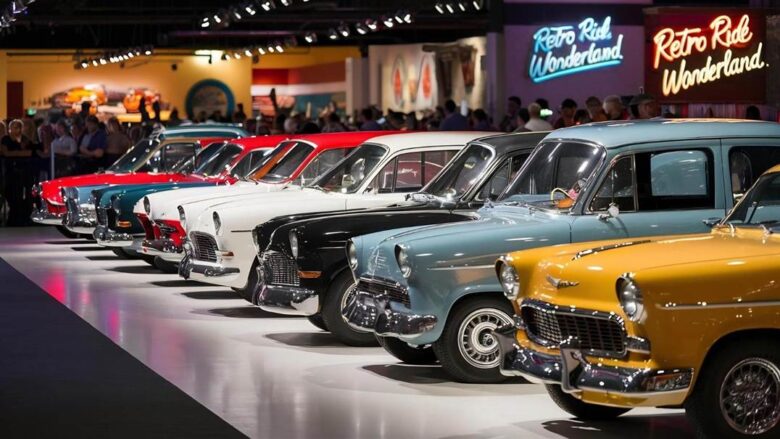
Car culture thrives on events, meets, shows, races, and gatherings that bring enthusiasts together. Many of these events attract participants from across the country.
For those traveling long distances, transporting a vehicle can be the more practical option. It allows owners to arrive without the fatigue of a long drive, while ensuring that the car is in peak condition for the event. This is particularly important in competitive settings, where even minor issues can affect performance or presentation.
The Economics of Transport vs. Driving
At first glance, transporting a car might seem like an added expense. However, when compared to the cumulative costs of long-distance driving, the difference is not always as significant as it appears.
Factors such as fuel, accommodation, potential maintenance, and time all contribute to the overall cost of a road trip. When these are considered together, transport services can become a more efficient option.
For enthusiasts balancing time, budget, and vehicle condition, this calculation often leads to a different conclusion than expected.
Safety and Industry Standards
Vehicle transport is not an unregulated space. Standards and safety practices play an important role in ensuring that cars are handled properly during transit.
According to the Federal Motor Carrier Safety Administration, transport companies must adhere to regulations related to vehicle handling, driver qualifications, and operational safety. These guidelines are designed to protect both the vehicle and the customer throughout the process.
Understanding that these standards exist provides an additional layer of confidence when choosing transport options.
A Shift in How Enthusiasts Think About Movement
The idea of moving a car without driving it may once have seemed counterintuitive. Today, it is increasingly viewed as a practical extension of ownership.
Enthusiasts are no longer limited by geography. They can build, buy, and showcase vehicles wherever opportunities arise. Transportation services make this flexibility possible.
Rather than replacing the driving experience, they complement it, ensuring that when the car is on the road, it’s there for the right reasons.
Keeping the Focus on the Experience
At its core, car culture is about connection, to machines, to people, and to the experience of driving. Logistics should support that connection, not complicate it.
By choosing how and when to move a vehicle thoughtfully, enthusiasts can preserve what matters most. Whether it’s maintaining a pristine build, expanding a search beyond local markets, or preparing for a major event, transportation becomes part of the broader experience.
Because in the end, it’s not just about getting a car from one place to another. It’s about ensuring that every mile driven is one that truly counts.

Disclaimer: Guest Posts don’t reflect the views and opinions of Crankshaft Culture. Articles include links to websites for products and services. Crankshaft Culture receives a monetary commission for each guest post.
Leave a Reply