
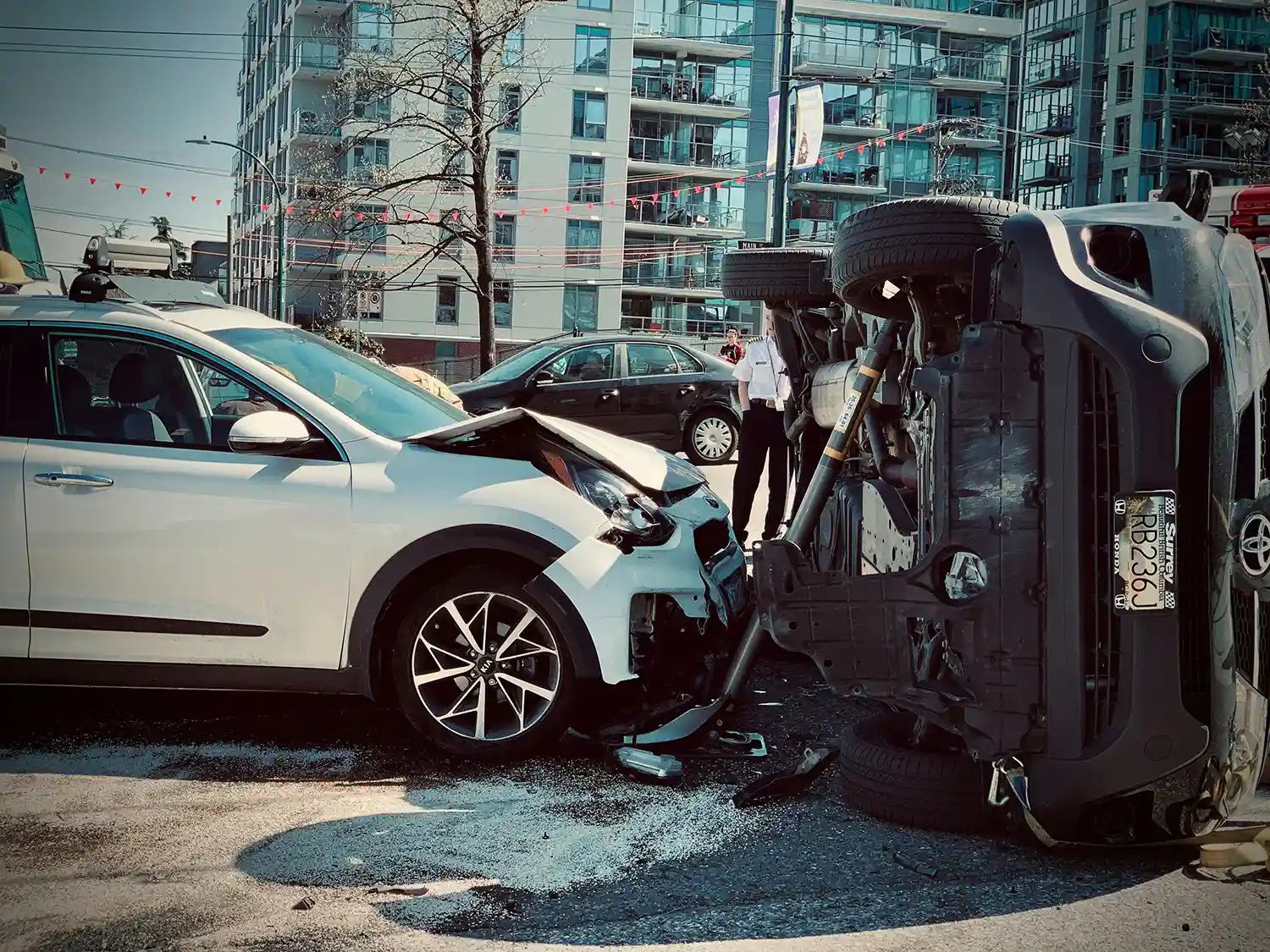
Most drivers know the basics: how fast they’re allowed to go, what the red light means, and the importance of staying focused. On paper, almost everyone could pass a road safety test. But all that knowledge doesn’t always show up once people actually hit the road. You see this gap most clearly during rush hour, when people cut corners or take small risks almost without thinking about it.
It’s a mix of habits, whatever mood they bring from daily life, and the feeling they get from watching everyone else on the road. Slowly, these things change how people judge danger. Things that start as a “just this once” exception turn into a routine, without anyone really noticing. In the end, you get this strange situation where everyone’s following their own version of the rules.
It’s part of why PSA campaigns and stricter traffic laws don’t always change real behavior for the long haul. Real change happens after people get into their first crash, but ideally, you don’t want that to happen. If you want to understand why risky driving sticks around, you have to pay attention to how habits take root. Let’s explore further.
Stop the Normalization of Rule-Breaking
Risky driving hardly ever starts with something outrageous. Usually, it’s one small choice, like a bit more speed or rolling just past a stop line. No big deal, right? Pretty soon, those “little” things work their way into someone’s regular driving style, especially once they notice that other drivers are doing the same and rarely get caught.
Just recently, an individual died in Colorado Springs after trying to engage in a speed contest with another vehicle. The other driver was left with non-life-threatening injuries but still had to be transported to a hospital. This isn’t the first time the locality has been in the news because of risky driving. As the Colorado Sun reports, some areas of the city have now begun adding signs reading “Someone Died Here, Slow Down.”
The consequences of this are far wider than you imagine. Not only is dealing with an accident a matter of health and safety, but it’s also a matter of time. To be specific, an accident and its aftermath can take over a significant portion of your life. In the above situation, imagine if circumstances required a driver to hire a car accident lawyer in Colorado Springs.
As Springs Law Group notes, the severity of injuries and the length of your treatment, among other factors, can affect how long your case takes. When viewed in this context, you really have to ask yourself how important answering that text while driving was.
The crazy part is that so many drivers make mistakes in an almost cavalier manner today. The Newsroom highlights one report that shows that 27% of drivers admitted to running a red light. Likewise, 49% drove 15 mph over the freeway speed limit, and 36% exceeded residential speed limits by 10 mph. The point here is that a surprisingly significant number of people consciously break road rules.
Don’t Let Emotions Take Over the Wheel
Most of us treat driving like a routine chore, but our moods always tag along. Stress, frustration, and running late all affect how we drive. Someone who’s annoyed or feeling rushed is more likely to react aggressively, even in basic situations.
The privacy of being in your own vehicle also makes it easy to forget you’re sharing the road with other real people. So, when emotions run high, drivers feel freer to act out, sometimes in ways they never would in face-to-face settings.
As the Pew Research Center notes, road rage incidents involving firearms have also added another layer of risk. Back in 2022, over 148 people were killed and over 421 were injured with firearms during road rage incidents. This data came from the Gun Violence Archive.
These incidents highlight how quickly ordinary interactions can spiral out of control. A minor disagreement on the road can very easily intensify when both parties feel provoked and insulted at the same time. Sadly, the issue is not limited to extreme cases. Even less severe reactions, such as aggressive lane changes or tailgating, often stem from similar emotional triggers.
Sometimes, Financial Consequences Hurt the Hardest
Most drivers keep taking risks because, for a long time, nothing bad happens. Pretty soon, they believe their habits are safe enough. Near misses only feed this feeling of ‘nothing went wrong, everything must be fine.’ However, when consequences finally do arrive, the reality can be harsh. And it’s not always about life or death.
According to a report by KFF Health News, one woman suffered a broken ankle after a T-bone accident. This accident led to a three-day stay at Ascension St. Vincent in Indianapolis. Seems minor, right? Nope. Despite having insurance through her employer, Lauren Hughes was billed $58,000 for the hospital stay and $6,000 for the surgeon’s fee.
While she eventually managed to bring that cost down with a lot of effort, it’s a common situation across America. Physical injury is only part of the outcome. The reality is that financial strain, legal complications, and long recovery periods can linger long after a single moment of misjudgment.
The lesson here is that if the danger doesn’t feel real, people keep doing what they’re used to. Signs on the side of the road might help, but only if drivers actually take those warnings to heart.
Frequently Asked Questions
1. Why do experienced drivers still take risks on familiar roads?
Familiar roads create a sense of control that can quietly lower caution. Drivers rely on memory instead of active attention, which makes small risks feel manageable. Over time, routine replaces alertness, and decisions get faster, not always safer, especially when nothing bad has happened before.
2. What psychological traits are linked to aggressive driving?
Traits like impatience, high stress sensitivity, and a strong need for control often show up in aggressive driving. Some drivers take things personally on the road, reading neutral situations as disrespect. Low impulse control also plays a role, where reactions happen quickly without much pause or reflection.
3. Does listening to music or podcasts impact how safely people drive?
It can, depending on what and how you listen. Loud or fast-paced music can push drivers toward faster or more reactive behavior. Podcasts that demand focus may pull attention away from the road. On the other hand, calm and familiar audio can help maintain a steady driving rhythm.
All things considered, getting safer on the road isn’t just about more rules or reminders. It actually involves a shift in how you judge what’s normal and what isn’t. When you really start to notice the cost of those so-called “small” choices, things can change.
The roads only get safer when everyone starts taking responsibility, not just hoping they’re lucky enough to avoid trouble.
Sadly, risky driving persists because it is shaped by more than knowledge. It endures through habits formed via repeated exposure, emotional influences that carry into the driver’s seat, and a tendency to underestimate consequences. If you want to be safer on the roads, you want to start challenging these habits.

Disclaimer: Guest Posts don’t reflect the views and opinions of Crankshaft Culture. Articles include links to websites for products and services. Crankshaft Culture receives a monetary commission for each guest post.
Leave a Reply