
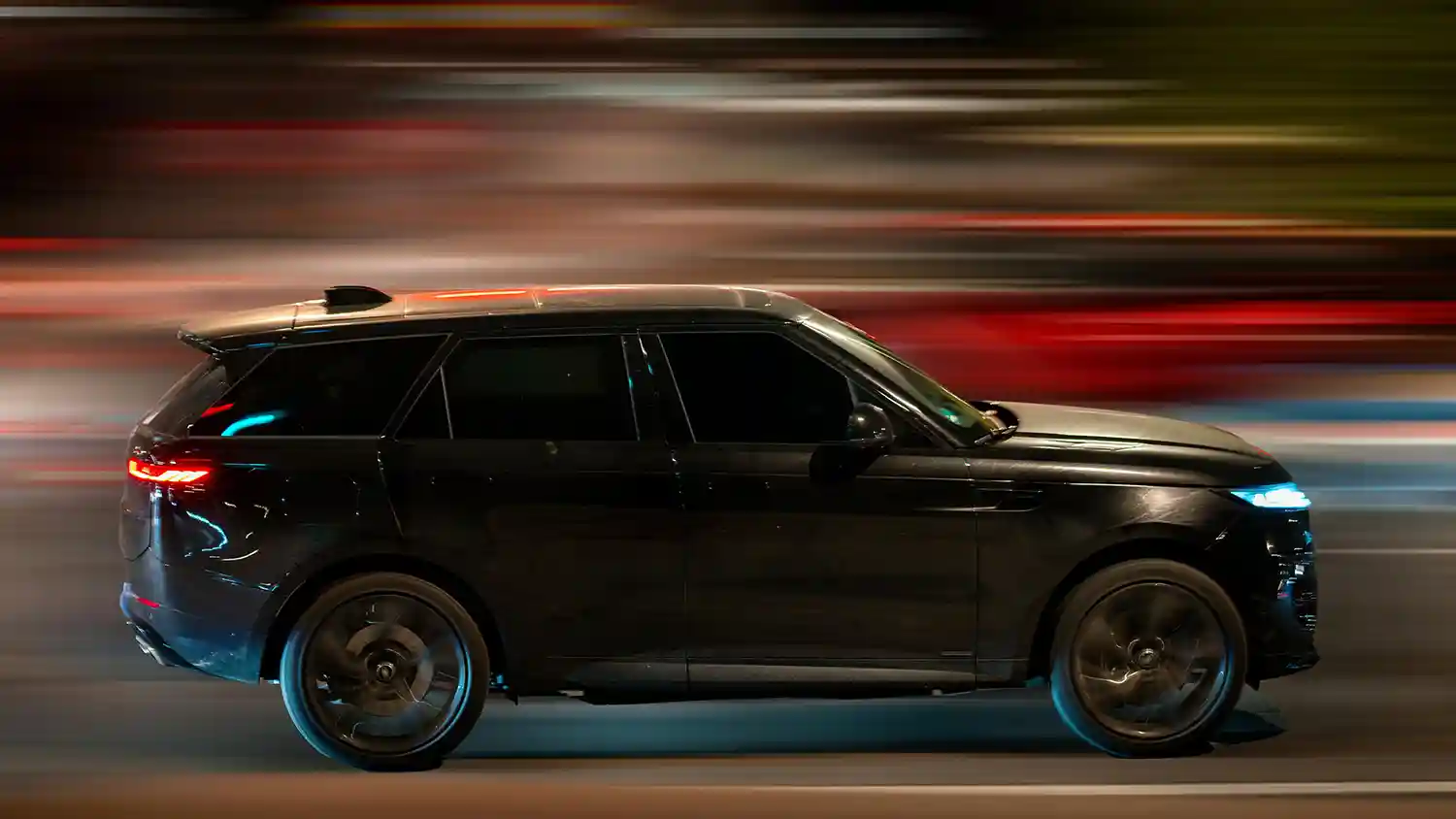
If you’ve spent any time on the road lately, you’ve probably noticed that the landscape has changed. SUVs are now the clear kings of the highway. According to data from Edmunds, they accounted for a record 58% of all vehicle sales between January and October 2024. At the same time, smaller cars have dropped to a record low of just 19% of the market.
This shift shows that more drivers than ever are choosing larger vehicles for their daily commutes and family trips. Today’s SUVs are not simply larger cars. They are purpose-engineered machines designed to meet the specific physical, psychological, and practical demands that modern highway driving places on both vehicle and occupant.
This article explores why these vehicles have become the definitive choice for highway-focused drivers around the world.
Aerodynamics and High-Speed Stability
Modern SUV design has shifted from boxy off-roaders to aerodynamically efficient highway cruisers. Today’s models feature sloping rooflines and active grille shutters to reduce drag, improving fuel economy and cabin quietness. These refinements also enhance high-speed stability by minimizing lift, allowing large vehicles to remain composed at motorway speeds.
This evolution confirms a prediction made by a major automotive designer to an Italian journalist years ago. He foretold that the SUV would eventually become a completely different kind of car. That shift is here. Modern SUVs and crossovers are losing sharp edges and vertical surfaces in favor of smoother, more efficient proportions.
While a few boxy exceptions remain, the trend is clear: efficiency and design are now inseparable.
Advanced Driver Assistance and Highway Safety Systems
Modern highways demand constant vigilance, and manufacturers have responded by integrating sophisticated driver assistance technologies. Systems like adaptive cruise control and blind-spot monitoring help address the visibility challenges of larger vehicles.
Additionally, highway pilot systems manage steering and braking to reduce driver fatigue. These innovations collectively lead the industry in deploying life-saving safety features at scale.
The impact of these systems is backed by data. A recent international study found that lane-keeping assist delivered the largest crash-rate reduction, specifically cutting severe crashes by 19.1%. Additionally, automatic emergency braking significantly lowered rear-end and intersection crash rates by 10.7%. Even blind spot monitoring made a difference, cutting lane-change and merging collisions by 3.5%.
As global regulations tighten, the SUV has become a primary showcase for this technology. These systems ensure that long journeys are not only more comfortable but significantly safer for everyone on the road.
Health and Safety Consideration
In a broader conversation about health and travel, SUVs are modernizing much faster than the rail freight sector. The shift to electric SUVs is accelerating, allowing drivers to eliminate tailpipe emissions and carcinogens. This cleaner option is available to consumers right now, providing a more controlled personal environment than aging, diesel-dependent infrastructure.
In contrast, converting the global rail network is a multi-decade project. This delay has a visible human cost. According to Gianaris Trial Lawyers, railroad cancer lawsuit claims are being filed by former workers who developed illnesses. These claims follow years of exposure to toxic substances like benzene, asbestos, and diesel exhaust.
While an SUV driver can opt into zero-emission technology today, railroad workers have historically had no equivalent choice. This asymmetry is why railroad cancer lawyers are now central to the public health conversation.
Their work is surfacing evidence that deferred investment in cleaner technology has led to measurable suffering.
Ride Comfort, Cabin Refinement, and Long-Distance Capability
Highway driving demands superior ride quality, as high speeds expose every suspension flaw. Modern SUVs address this with adaptive systems that adjust to road surfaces in milliseconds.
This engineering is crucial because, as a 2024 MDPI study on long-haul transportation highlights, road roughness has a major negative influence on driver comfort. The study used machine learning to show that rougher roads increase vertical acceleration, leading to fatigue and higher accident risks.
To combat this, manufacturers prioritize acoustic engineering, using laminated glass and noise cancellation to shield occupants from wind and tire roar. Ergonomic seats and generous legroom further reduce the physical toll of extended journeys.
Additionally, as the “work-from-anywhere” culture increases the frequency of long trips, the SUV’s ability to function as a productive mobile environment has become a massive advantage.
Frequently Asked Questions (FAQs)
Why are modern SUVs more aerodynamically efficient than older models?
Modern SUVs use sloping rooflines, active grille shutters, and underbody diffusers to reduce drag. These aerodynamic improvements boost fuel efficiency, lower wind noise, and increase high-speed stability. This addresses the specific performance demands of sustained motorway driving that early boxy SUV designs were never optimized to meet.
How do railroad cancer concerns compare to health risks in other transport modes?
Railroad cancer concerns are often linked to prolonged occupational exposure to diesel exhaust, benzene, and asbestos. In contrast, other transport modes, like modern SUVs, especially electric ones, present lower direct exposure risks for users. The key difference lies in duration and intensity, with rail workers facing higher long-term health risks than everyday travelers.
How do driver assistance systems in SUVs improve highway safety?
Systems like adaptive cruise control, lane-keeping assist, and blind-spot monitoring reduce driver fatigue and prevent common highway accidents. By automating key aspects of speed and lane management, these technologies help drivers maintain safer concentration levels over longer journeys. This, in turn, significantly lowers the risk of collisions on high-speed roads.
The modern SUV is the result of a deliberate alignment between engineering and the realities of today’s highways. Its market dominance reflects a genuine response to what drivers actually need: efficiency, safety, and comfort. Every design element serves a purpose, from aerodynamic shapes that boost stability to advanced safety systems that protect lives.
As roads evolve with electrification and smarter infrastructure, SUVs continue to lead the way in innovation. For the modern driver, these vehicles are more than just a preference. They represent a practical and essential solution for navigating the world’s roads as they exist today.

Disclaimer: Guest Posts don’t reflect the views and opinions of Crankshaft Culture. Articles include links to websites for products and services. Crankshaft Culture receives a monetary commission for each guest post.
Leave a Reply