
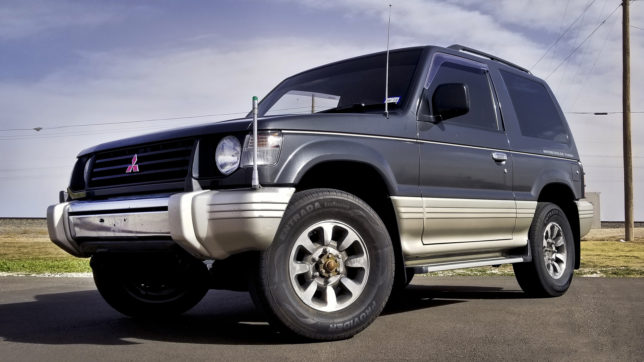
We are no strangers to taking older 1980s and 1990s vehicles on long road trips. Whether it was our former 1989 Mitsubishi Delica Star Wagon (L300), our 1991 Mitsubishi Pajero XP, or our 1995 Suzuki Sidekick, taking a vintage vehicle on a road trip takes more pre-trip consideration than a new vehicle. Here is a checklist for those looking to take their older vehicles on road trips (or even off-road excursions).
Do a Thorough Pre-Trip Inspection
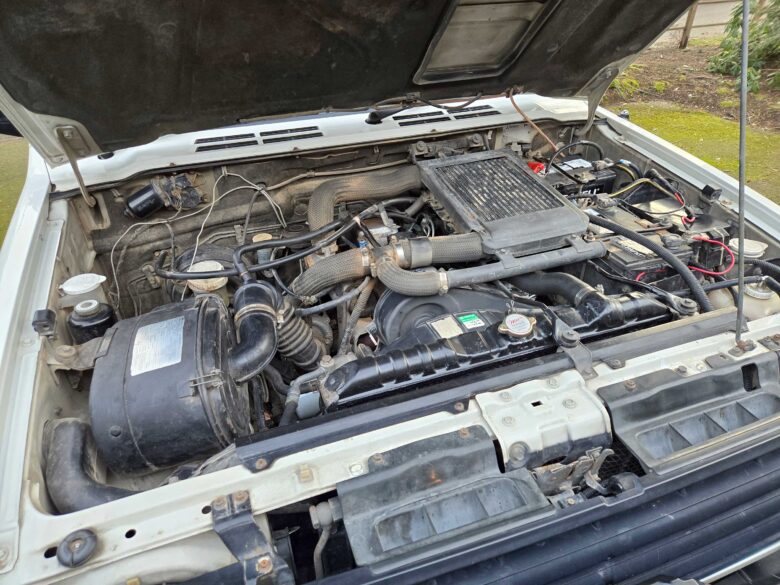
I recommend doing a pre-road trip inspection on any vehicle, new or old. However, when you’re taking a 30-year-old vehicle onto the open highway or a long journey, that inspection needs to be more thorough. With a newer vehicle, you might just check the oil, top off the washer fluid, and make sure your tires are properly inflated. If you’re also using trailers or hauling equipment, choosing options with rust-resistant and corrosion-free builds can help ensure durability over long distances. On an old car, truck, or SUV, also look at these things:
- Make sure your brake pads or shoes have enough material left on them, and they’re in good working order. Also, check your brake fluid. It’s better than having to do a brake job on the fly.
- Inspect ball joints and tie rod ends. Ensure they’re in good shape and that the boots aren’t torn. Now’s a good time to grease those fittings, too.
- Make sure all critical fluids are topped off, including transmission and differentials.
- If your vehicle has U-joints, make sure they’re in good shape, and the fittings are greased.
- Ensure your cooling system (radiator, hoses, and thermostat) is in good working order.
- Check those old belts and hoses and replace them if worn or cracked.
- Check the electrical system. This includes ensuring your battery, cap, rotor, plugs, and alternator are in tip-top shape.
I have failed to do each one of these things in the past, and my travels have been adversely affected because of it. Learn from my mistakes!
Bring Spare Parts, Tools, and Fluids With You
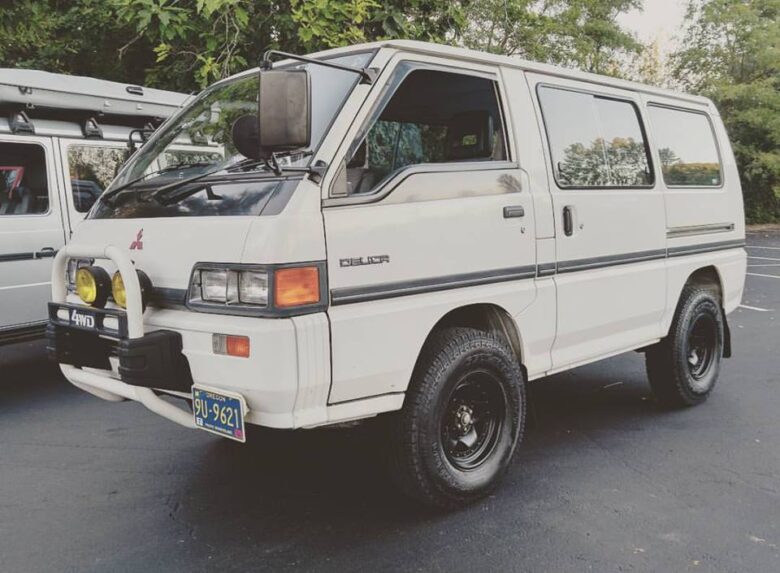
If you’re road tripping in an older rig, bringing harder-to-find spare parts isn’t a bad idea. You don’t need to bring everything to rebuild your engine, but if there are items that are hard to source, throw them in the car. For example, if I’m taking our Delica or Pajero on a road trip, I always bring a spare thermostat and an extra set of glow plugs, just in case. The 1994 Delica Space Gear (L400) also has front brake rotors that aren’t available in the USA, so I bring my “brake kit in a box” with me. It’s pads, rotors, and seals. But this is only for long trips and is a “just in case” kind of thing.
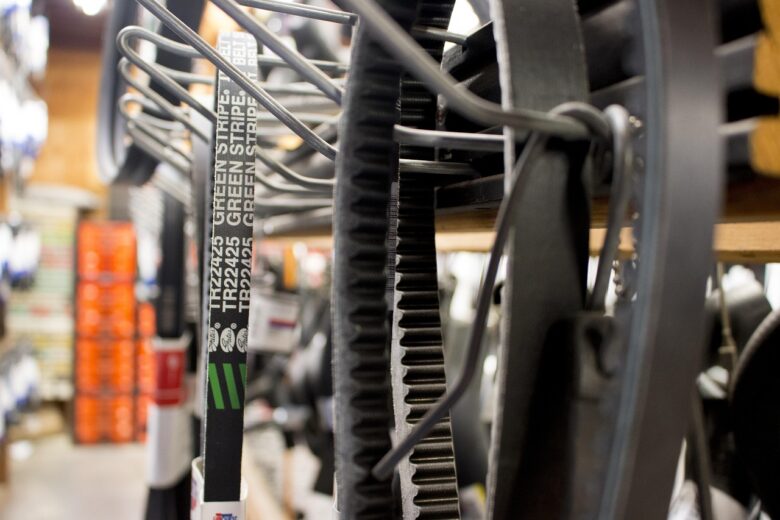
I’ve also been on trips where people don’t bring hard-to-find spares, and they end up having to get towed home because they can’t get a part they need. A long-distance tow can be expensive. Be selective about which parts you bring, but a few hard-to-find spares could save you a lot of cash and time in the long run.
And don’t forget the right tools! Having the parts with you is great. But if you don’t have the tools to work on the car, it’s a moot point.

Bringing a quart of oil, a jug of coolant, gear oil, or a container of brake fluid with you is a smart choice. You probably know which fluids your vehicle may leak or need, so bring those. Don’t wait until you need them to buy them if your vehicle may need them.
Bring a Service Manual or Technical Documents
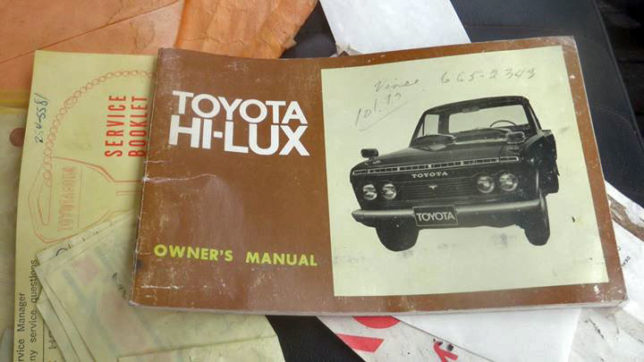
It’s never fun when you have problems with your vehicle when traveling, but it can happen, especially with older vehicles. If you have a factory service manual or technical documents about the rig, bring them with you. Whether paper or digital, having info on how to fix your vehicle and what parts you may need can be paramount. (This is especially true for old Corvette model enthusiasts working on restorations or long-distance drives, where it can help to find C2 Corvette parts for specific replacements ahead of time.) Don’t rely on having an internet connection to find these things when your car or truck breaks down. Have them with you. This also includes fuse box diagrams, something I’ve had to rely on in the field several times.
Have Roadside Assistance and a Satellite Device
In the event your vehicle breaks down, and you can’t fix it on the side of the road or in a hotel parking lot (I’m speaking from experience here), having some sort of towing service is a good idea. We have AAA, and have had it for years. Some auto insurance companies offer roadside assistance, too.
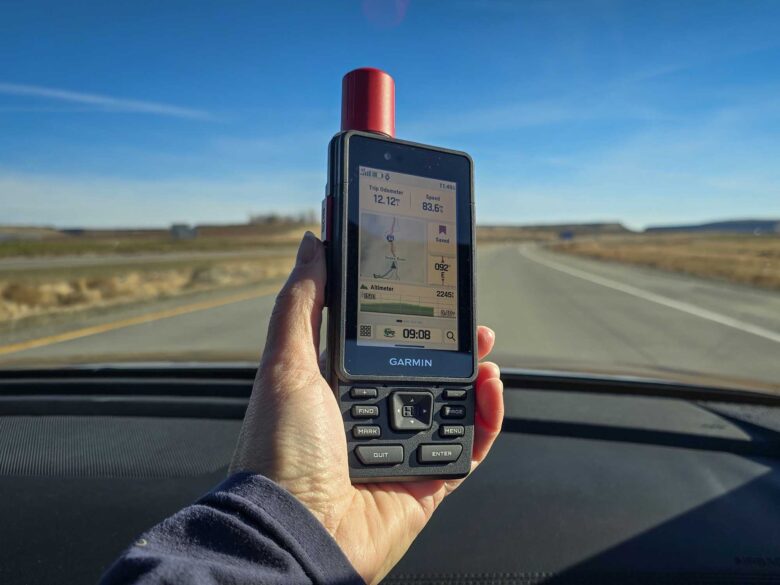
If you’re going to be in remote places with your old vehicle, having a satellite communication device can be useful. We run Garmin inReach products, such as the H1 Plus pictured above. With a subscription, you can text people via satellite and won’t need a mobile phone signal. This can alert people to a breakdown. And if there’s a bona fide emergency, you can press the SOS button and get in contact with emergency personnel.
Take a Shake-Down Run
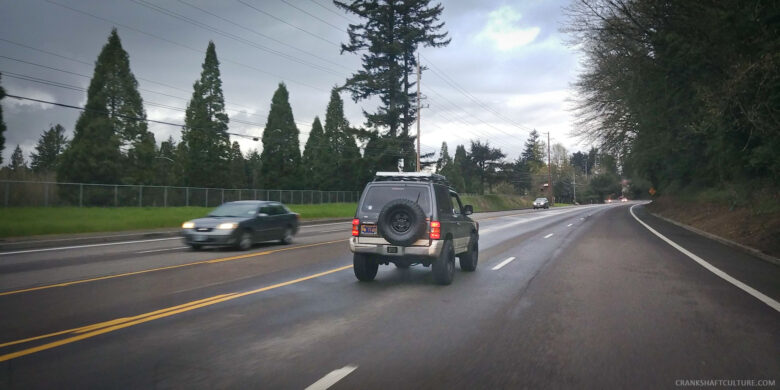
Before your long trip (after you’ve made any needed repairs or tune-ups), take your vehicle on a shake-down run. Bring it up to highway speed, get the engine warm, and make sure it’s ready for the drive. This is when you might discover a loose bolt or a connection that needs to be re-soldered. This is the last chance to make tweaks before heading out of town.
Taking your vintage vehicle on a road trip can be tons of fun and extremely gratifying. Just ensure you take the above steps before putting the pedal to the metal.

Andy Lilienthal is an award-winning writer and has written professionally since 1999. He has over 15 years in the automotive aftermarket working at companies including Warn Industries, Bushwacker, and Lund International. Editorial works include writing and photography for off-road print magazines, to new-car reviews online. He’s a photographer with images in multiple magazines, blog sites, and The New York Times.
Leave a Reply