
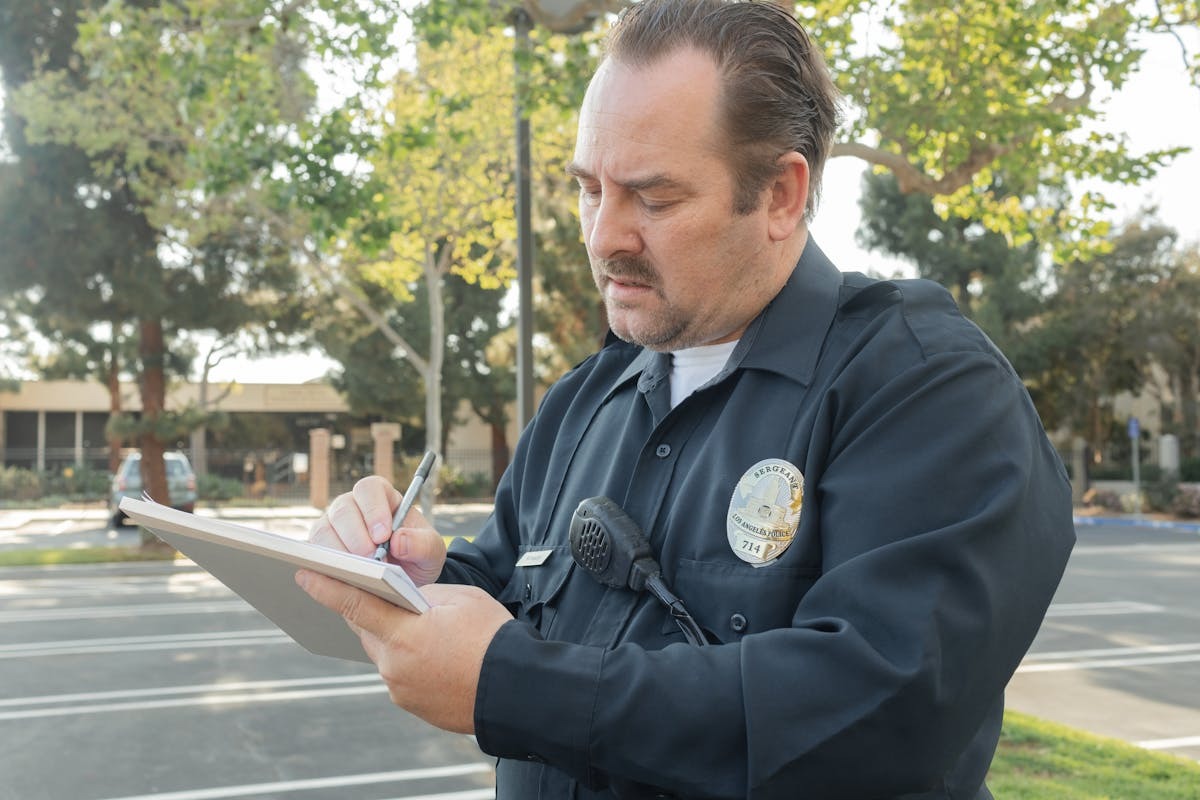
According to the National Highway Traffic Safety Administration’s 2023 crash data, over 6.7 million police-reported motor vehicle accidents occur annually in the United States — yet fewer than half of all crashes actually get properly documented through official accident reports. This gap has real consequences: insurance companies routinely use incomplete or poorly filed reports to reduce claim payouts, while state DMV agencies can impose penalties for failing to meet mandatory reporting requirements.
The stakes have never been higher for getting this process right. As insurance companies increasingly rely on automated claim processing systems that flag inconsistencies in accident reports, and as courts face mounting backlogs that make thorough case review less likely, the quality of your initial accident report often determines the entire trajectory of your claim. Drivers who want to safeguard their rights and navigate the claims process effectively can consult a knowledgeable car accident lawyer in Miami for injury claims, ensuring early mistakes don’t compromise potential compensation.
The difference between a well-documented accident report and a hastily filed one isn’t just paperwork. It’s the foundation that either supports or undermines everything that follows: insurance settlements, potential legal action, and even your ability to recover damages for injuries that may not manifest until days later.
What Are the Common Mistakes When Filing an Accident Report
The most devastating mistake drivers make is treating the accident report as a simple administrative task rather than a legal document that will be scrutinized by insurance adjusters, attorneys, and potentially judges. This mindset leads to rushed narratives, missing details, and statements that inadvertently accept fault or minimize the severity of the incident.
Admitting fault or speculating about cause tops the list of costly errors. Phrases like “I didn’t see the other car” or “I think I was going too fast” might feel honest in the moment, but they become ammunition for the other party’s insurance company. The accident report should stick to observable facts: what happened, when, and where — not why it happened or who’s to blame. Leave causation analysis to the professionals who will investigate later.
Minimizing injuries or damage creates another trap that many drivers fall into, especially when adrenaline masks pain and vehicle damage isn’t immediately obvious. Writing “no injuries” when you feel fine at the scene can haunt you weeks later when soft tissue injuries, concussion symptoms, or psychological trauma emerge. Similarly, describing vehicle damage as “minor” based on external appearance ignores potential frame damage, alignment issues, or internal component failures that only surface during professional inspection.
The timing mistake proves equally problematic. Many states require accident reports within 72 hours for crashes involving injury, death, or property damage exceeding specific dollar amounts — often as low as $1,000. Missing these deadlines doesn’t just risk DMV penalties; it can void your insurance coverage entirely. Even worse, some drivers assume that if police responded to the scene and filed a police report, they’re off the hook for filing their own accident report. That’s often incorrect, as police reports and driver accident reports serve different legal purposes and have separate filing requirements.
Incomplete witness information rounds out the major pitfalls. Collecting just a name and phone number isn’t enough — witnesses move, change numbers, or become reluctant to get involved as time passes. Beyond proper documentation of recovery needs, many accident survivors find themselves navigating complex insurance and legal landscapes where having experienced car accident lawyer in Miami for injury claims becomes crucial for protecting their rights and securing fair compensation. The report should capture full contact information, the witness’s relationship to the incident, and a brief summary of what they observed.
How to Document and Describe Accident Details Clearly
What Information Should Be Included in Your Report
Essential documentation goes far beyond the basic facts most drivers think to include. Start with the precise location using landmarks, street addresses, mile markers, or GPS coordinates — “near the McDonald’s on Main Street” is more useful than “downtown intersection” when investigators need to assess sight lines, traffic patterns, or road conditions that contributed to the crash.
Vehicle information requires more than just make and model. License plate numbers, VIN numbers when accessible, insurance company names and policy numbers, and driver’s license details for all parties create the foundation for follow-up investigations. Don’t overlook passengers — their information may be crucial if they become witnesses or if their injuries factor into later claims.
Weather and road conditions at the time of the accident often play larger roles in crash analysis than drivers realize. Document everything: rain, snow, ice, fog, construction zones, potholes, broken traffic signals, or inadequate lighting. These environmental factors can shift liability assessments significantly, especially in crashes where fault seems clear-cut initially.
The sequence of events needs precise, chronological documentation. Rather than writing “the other car hit me,” describe the progression: “I was traveling north on Oak Street at approximately 35 mph when the light turned yellow. As I entered the intersection, a blue sedan traveling east on Pine Street ran the red light and struck my vehicle’s passenger side.” This level of detail helps reconstructionists understand dynamics that raw police reports might miss.
Using Photos and Eyewitness Statements Effectively
Visual evidence serves as your most powerful ally, but only when captured systematically rather than randomly. Take wide-angle shots showing the entire accident scene, including traffic signals, street signs, and road conditions, before moving vehicles if they’re creating safety hazards. Follow these with close-up photos of vehicle damage from multiple angles, capturing not just obvious dents but also scratches, paint transfer, and subtle deformations that indicate impact patterns.
Interior photos matter more than most people realize. Document deployed airbags, dashboard warning lights, seat positions, and any personal items that shifted during impact — these details help establish the severity of forces involved and can support injury claims later. Don’t forget to photograph the other vehicles involved, their license plates, and any skid marks, debris, or fluid spills on the roadway.
Eyewitness statements require careful handling to maintain their value. Rather than asking witnesses what they think happened, ask them to describe what they observed: where they were standing, what direction they were looking, what they saw first, and what happened next. Record their statements in their own words when possible, and ask them to provide written accounts if they’re willing. The goal is preserving their immediate recollections before memory begins to fade or outside influences shape their perspective.
Time stamps become critical for all documentation. Most smartphones automatically embed time and location data in photos, but verify that your device’s date and time settings are accurate. For witness statements, note not just when you spoke with them, but when the events they’re describing occurred — a witness who arrived after impact provides different value than someone who saw the entire collision unfold.
What Legal and Reporting Requirements Must You Follow
State reporting requirements vary dramatically, creating confusion for drivers who assume one approach fits all situations. Most states require accident reports when crashes involve injury, death, property damage exceeding $1,000 to $2,000, or hit-and-run scenarios — but some states set thresholds as low as $500, while others require reports for any crash where vehicles can’t be driven away from the scene.
The distinction between mandatory and optional reporting often catches drivers off guard. In Florida, for example, drivers must file reports within 10 days for crashes involving injury, death, or property damage exceeding $500 — but the requirement applies only to the drivers involved, not passengers or witnesses. Meanwhile, New York requires reports within 10 days only for crashes involving injury, death, or property damage exceeding $1,000, but adds specific requirements for accidents involving commercial vehicles regardless of damage amounts.
Who must file depends on multiple factors beyond just being involved in the crash. Generally, all drivers involved in reportable accidents must file their own reports, even if they weren’t at fault. Some states also require property owners to report crashes that damage their buildings, fences, or other structures, while commercial vehicle operators face additional federal reporting requirements through the Department of Transportation.
Failure to file required reports triggers consequences that extend beyond simple fines. License suspension, insurance policy cancellation, and civil penalties escalate quickly, especially when crashes involve injuries or significant property damage. More problematically, failing to file can be interpreted as consciousness of guilt in later legal proceedings, undermining your position even if you weren’t actually at fault for the accident.
Time limits prove less forgiving than most drivers expect. The typical 72-hour window for filing leaves little room for procrastination, especially when you factor in potential hospital stays, vehicle towing situations, or simply the overwhelming nature of dealing with crash aftermath. Some jurisdictions accept late filings with explanations, but others impose automatic penalties that can’t be waived, making prompt action essential rather than optional.
How Do Police Reports Differ From Accident Reports
The fundamental distinction lies in purpose and perspective: police reports serve law enforcement and criminal justice needs, while accident reports serve civil and insurance purposes. When officers respond to crash scenes, they’re primarily concerned with traffic law violations, public safety, and whether criminal charges are warranted. Their reports focus on fault determination for citation purposes, not the detailed civil liability analysis that insurance companies and attorneys require.
Police reports carry greater legal weight in court proceedings, but they’re not automatically admissible in civil cases — and they’re often less detailed than effective accident reports when it comes to documenting injuries, property damage, or the kinds of evidence that support insurance claims. Officers typically spend 15-30 minutes at accident scenes, while thorough accident report preparation can take hours as drivers gather witness statements, photograph evidence, and document details that weren’t immediately apparent.
Content differences highlight why both reports serve important functions. Police reports typically include the officer’s assessment of fault, any traffic citations issued, and basic facts about vehicles, drivers, and apparent injuries. They may include witness contact information if witnesses volunteered to speak with police, but officers aren’t required to seek out witnesses or conduct detailed interviews.
Driver-filed accident reports, by contrast, can include extensive photographic evidence, detailed witness statements, comprehensive injury documentation, and nuanced descriptions of road conditions, weather factors, or mechanical issues that contributed to the crash. This additional detail often proves crucial months later when insurance adjusters are evaluating claims or attorneys are preparing for litigation.
The timing of police report availability creates another practical consideration. Most police reports aren’t available for 5-10 business days after the crash, while insurance companies typically want notification within 24-48 hours. Filing your own accident report immediately ensures that your version of events is documented while details are fresh, rather than waiting for the police report and potentially discovering that crucial information was omitted or mischaracterized.
How Using Your Accident Report Helps With Insurance and Legal Claims
A well-prepared accident report functions as the cornerstone document that insurance adjusters use to evaluate your claim’s validity and value. When adjusters receive detailed reports with comprehensive photo evidence, witness statements, and clear factual narratives, they can process claims more efficiently and with greater confidence in their accuracy — typically resulting in faster settlements and fewer disputes over coverage or compensation amounts.
The report’s role extends beyond initial claim filing into ongoing negotiations and potential litigation. Insurance companies routinely use inconsistencies between accident reports and later statements to challenge claims, arguing that gaps or changes in your account indicate unreliability or potential fraud. A thorough, accurate initial report creates a solid foundation that supports your position throughout the entire claims process.
Documentation quality directly impacts settlement outcomes in ways that many drivers don’t anticipate. Claims backed by detailed accident reports with strong evidence typically settle for amounts 20-30% higher than those supported only by basic police reports or verbal accounts. The difference often comes down to the adjuster’s confidence in the claim’s validity and their ability to defend their settlement decisions if challenged by supervisors or auditors.
Follow-up procedures become significantly easier when your accident report anticipated the insurance company’s investigation needs. Adjusters appreciate reports that include witness contact information they can verify, photos that support your damage claims, and narratives that align with physical evidence. This preparation reduces the likelihood of extended investigations, independent medical examinations, or property damage appraisals that can delay settlements for months.
The most successful approach treats accident report filing as the first step in a longer process rather than a one-time task. Monitor your claim’s progress, maintain organized records of all communications with insurance companies, and be prepared to supplement your initial report with additional medical documentation or repair estimates as they become available. The quality of your foundation determines how effectively you can build your case over time.
The reality is that most drivers get one chance to create their accident report correctly — and that chance comes during the most stressful, confusing time following a crash. Taking the extra time to document thoroughly, think carefully about your statements, and understand your legal obligations isn’t just good practice; it’s essential protection for your financial future and legal rights.

Disclaimer: Guest Posts don’t reflect the views and opinions of Crankshaft Culture. Articles include links to websites for products and services. Crankshaft Culture receives a monetary commission for each guest post.
Leave a Reply