
Tariffs have been a big deal in the United States over the past year. A lot of items coming from, well, pretty much anywhere other than the USA, have a tariff associated with them. If you own a gray-market vehicle, such as JDM car, truck, van, SUV, and need parts from abroad, you’ll be affected by tariffs. In fact, I just experienced this.
NOTE: This is not a political article. No matter which side of the fence you’re on, the tariffs will affect purchases for imported car parts and vehicles.
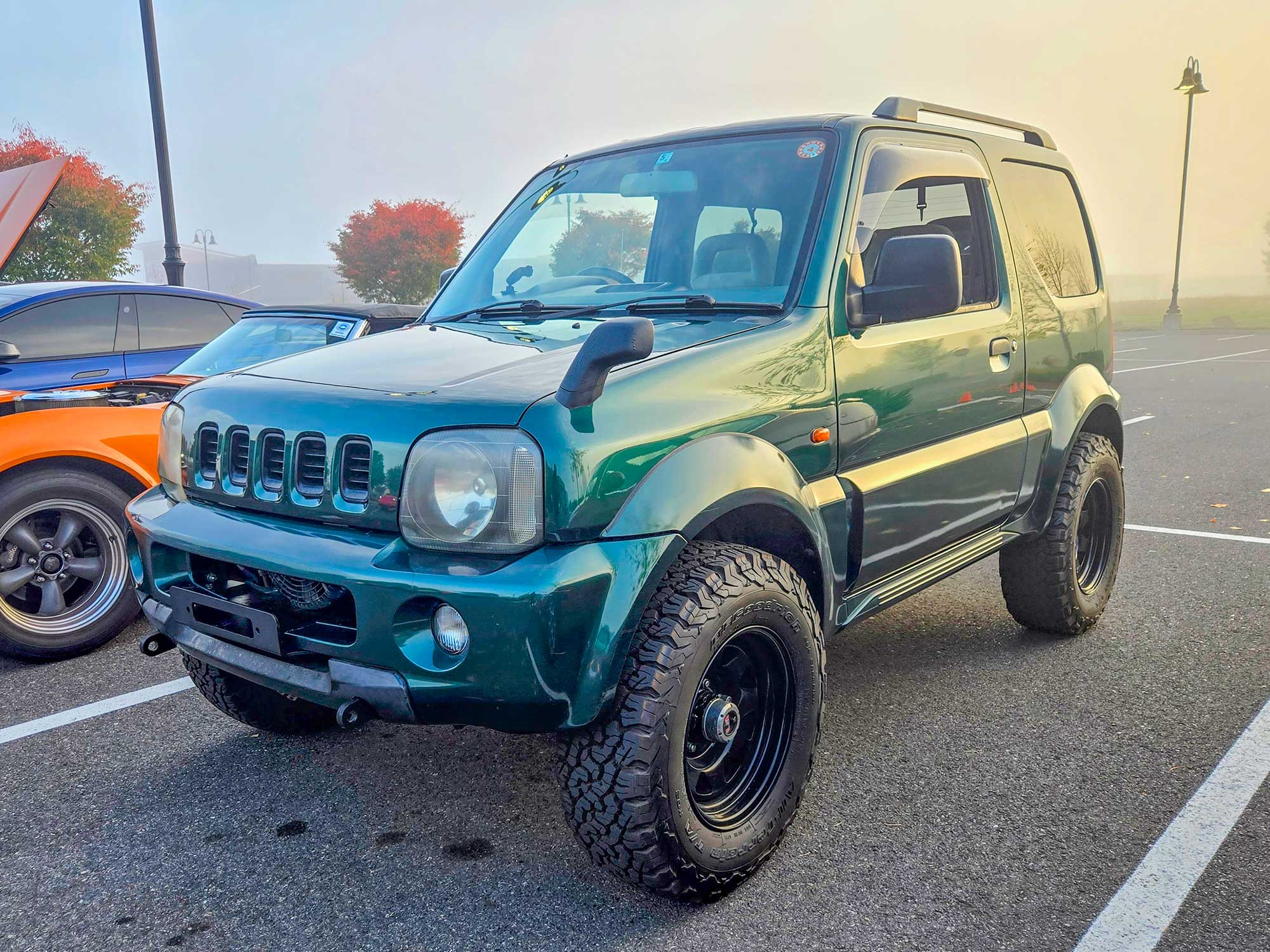
Parts For Our Suzuki Jimny Wide
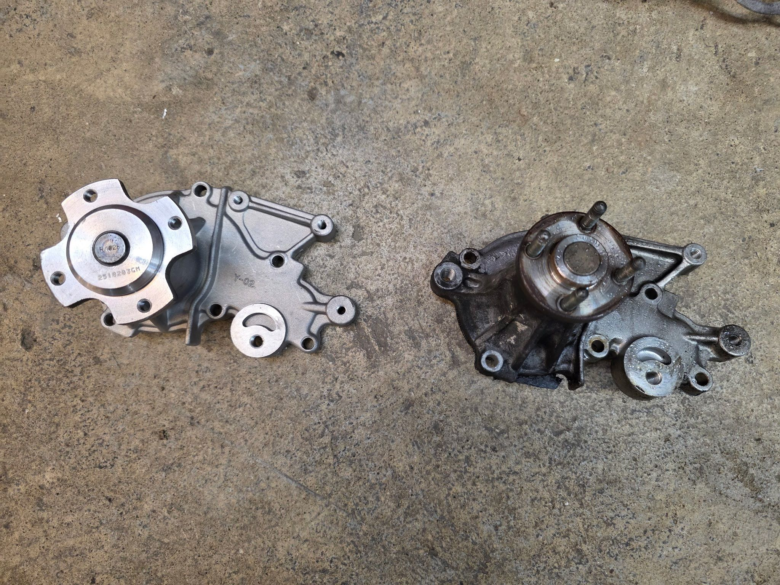
We recently bought our JDM 1998 Suzuki Jimny Wide equipped with the 1.3-liter G13BB engine. We’ve slowly begun working on it, fixing things, and adding some upgrades. However, I’ve been dealing with a pesky coolant leak. I thought it was the water pump. Then I found coolant dripping from the heater hoses. I got universal heater hoses locally, and thought I’d fixed it. I didn’t. After further inspection, I believe the culprit is the upper radiator hose, which is weeping coolant down the thermostat housing and dripping all over everything.
Despite my self-proclaimed superhuman ability to cross-reference JDM parts to products here in the States, I couldn’t find anything to match that radiator hose (or the water pump). Therefore, plan B was to visit overseas parts shops, such as PartSouq.com or, in this case, Amayama.com and have the parts imported. Amayama is based in Japan with warehouses in Australia, UAE, Latvia, New Zealand, and Japan. But no matter the retailer, if you order parts from anywhere outside the USA, shipping will be more expensive than getting parts domestically. Having owned five JDM vehicles, I know this. It’s not my first rodeo. What I didn’t know was how much in tariffs I’d have to pay on the parts I bought.
What Is a Tariff?
According to the Merriam-Webster dictionary, a tariff is a noun meaning “a schedule of duties imposed by a government on imported or, in some countries, exported goods.” In basic terms, it’s the money a company has to pay the government to bring in stuff from another country. Each country can have a different tariff, too. Admittedly, it’s been difficult to figure out how much the tariff will be for stuff coming into the USA. In most cases, the seller passes the tariff costs onto the buyer.
FYI, global law firm, Reed Smith, has a Trump 2.0 tariff tracker that outlines all the various tariffs for countries around the world. Despite this extensive and regularly updated website, it’s not easy to keep track of this stuff. But you’ll likely have tariffs tacked on if you’re ordering parts from anywhere other than the USA. You probably get it. You’ll really get it if you need imported parts.
My Recent Tariff Tribulation
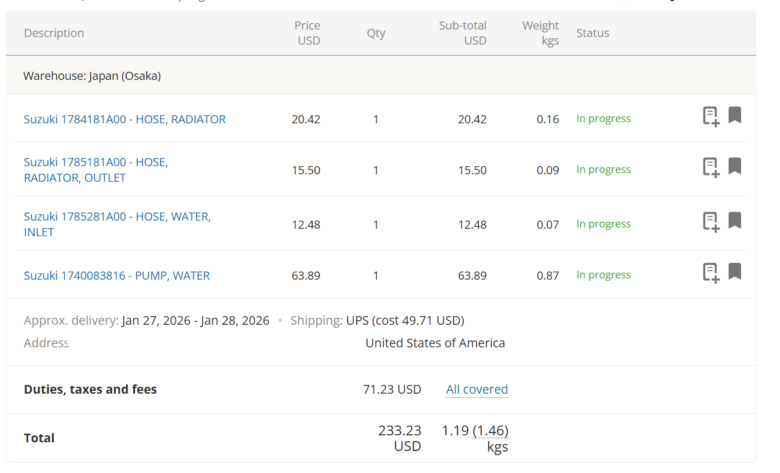
Back to those parts for our Suzuki Jimny. The hoses weren’t all that expensive, ranging between $12.48–$20.42. A water pump (for when that time comes) was $63.89, all in U.S. dollars. Shipping? $49.71. OK. Then “duties, taxes, and fees”: $71.23. The pricing breakdown looks like this:
- $112.29 – Price of parts
- $1.21 – General Rate duty (2.5% cost)
- $18.55 shipping company fees
- $51.47 – US Section 232 tariffs – additional duties on steel, aluminum, and copper (50%)
- Shipping via UPS – $49.71
- TOTAL: $233.23
I had to pay $51.47 of tariffs on my $112.29 worth of parts. If my smooth lizard brain did the math right, that made my overall order 22% higher than if there wasn’t a tariff.
I’m definitely not thrilled to have to pay for this. Having a JDM vehicle often requires buying parts overseas—there isn’t much getting around it. And now, the price to get parts imported is markedly higher.
Enthusiasts Are Being Affected
I reached out to three other JDM car enthusiasts to get their takes on tariffs.
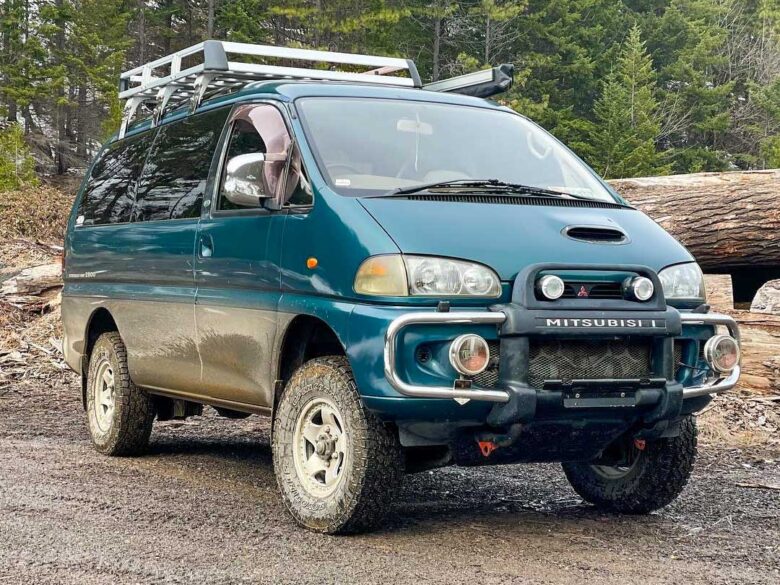
“I ordered a window regulator from Canada,” says Martin Myers, the owner of a 1994 Mitsubishi Declia in Roseburg, OR. “The part was $115.00 USD, then I had to pay $47.00, then a $35.00 handler fee. So, $82 all together,” he said.
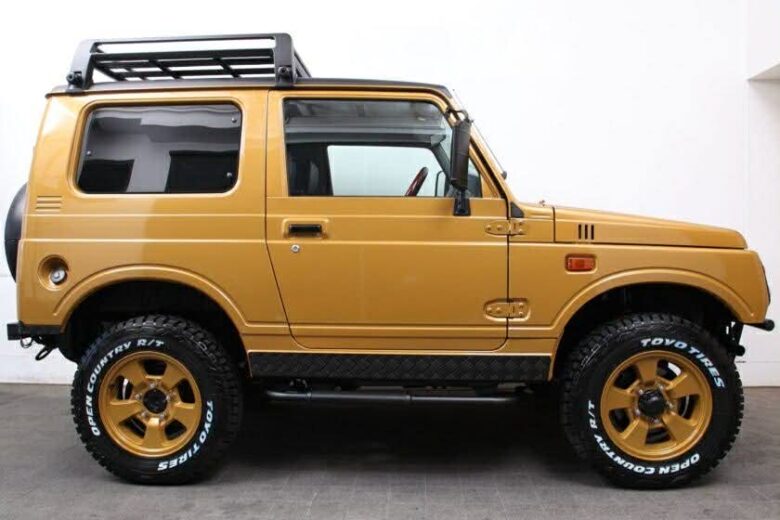
Jason Seeley of Nashville, TN owns a 1997 Suzuki Jimny, a 1990 JDM Mini, and a 1963 British Mini. He said the added tariff costs have “definitely made me pause for sure. I won’t order anything unless I absolutely need it, versus grabbing stuff so I have it.”
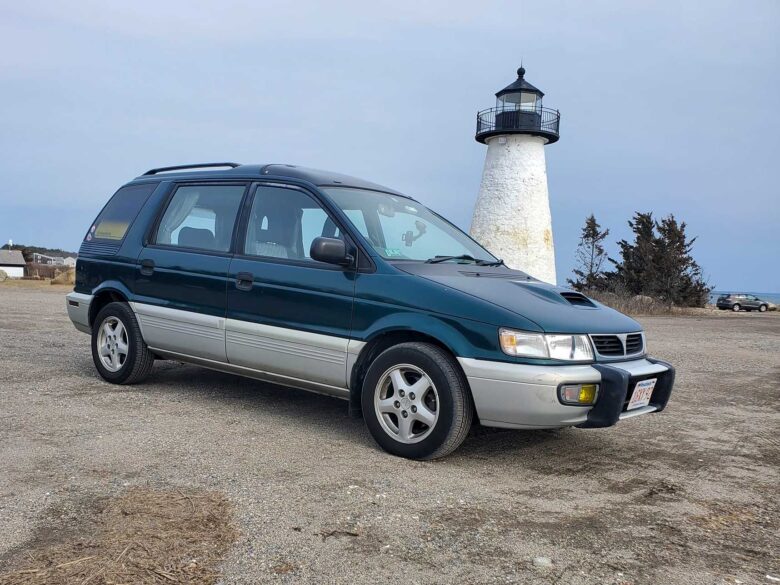
Chris DiRado, who lives in Massachusetts, recently sold both of his JDM vehicles, a 1989 Mitsubishi Delica Star Wagon and a 1995 Mitsubishi Chariot Resort Runner GT. “I actually want to get something else, perhaps even this year, but I might just find something that’s a USA domestic market vehicle,” said DiRado. He said the increased cost of importing parts is definitely a major factor in getting another foreign-market vehicle or getting something that was originally sold in North America.
Despite the tariff on parts, Myers says it wouldn’t change his mind on owning another JDM car. “I love my Delica! I’ve owned it for four years in March, which is the longest I’ve owned a vehicle as an adult,” he said. He said the tariffs are annoying. He is also considering driving from Oregon to Canada to purchase parts because he needs some things and can save money on having them shipped.
Myers is optimistic about the future of tariffs, however. “I think the whole tariff thing will end up going away (we all hope),” he said.
Seely said, “I’m selling my 1963 Mini, and my plan was to buy an Autozam AZ-1, but that may not be the best idea right now, considering [it’s] an even more rare vehicle with harder to find parts.”
Cross-Referencing Parts Can Help, But Not Always
I’ve written a lot about how to cross-reference parts for your JDM vehicle. Visiting sites, such as Part Souq or Amayama, will yield original part numbers. You can take those part numbers and see if they cross-reference with anything domestically. This can yield big savings on shipping and tariffs. However, like in our case with the Jimny, if nothing cross-references and you need the parts, importing is the only option. And trust me—I tried to cross-reference to no avail. So I was essentially forced to import parts. While importing parts isn’t new, the extra expense for tariffs is.
By the way, even parts you can get at your local auto parts store are affected by tariffs if they’re not made in the USA. While some tariffs might be partially absorbed by some parts sellers, many times the parts are more expensive in part due to the tariffs.
The Bottom Line: Imported Parts—and Vehicles Are Now Pricier
If you need to import parts for your gray-market vehicle, whether from Japan, Europe, or anywhere else, it’s going to be more expensive. The tariffs are likely not going anywhere. You can try your best to find cross-referenced parts locally to avoid extra expense. And if you can’t find your parts domestically, you’ll have to pony up and pay those pesky tariffs.
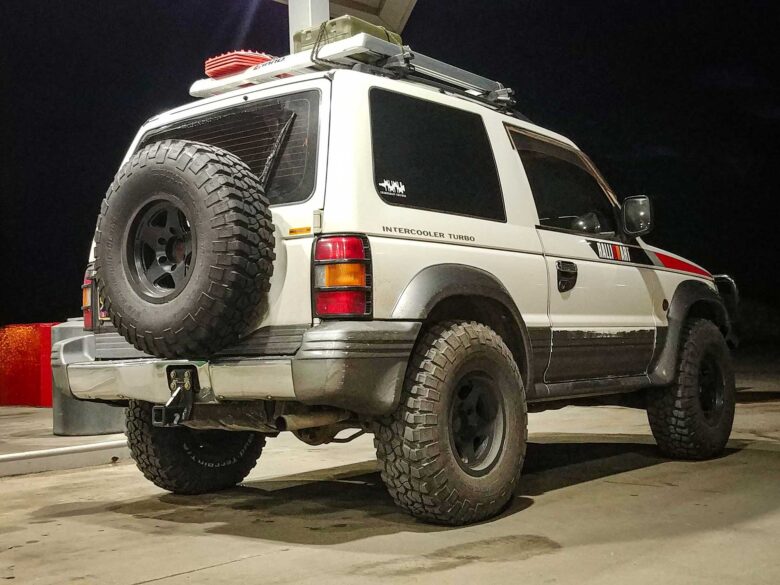
We’re not about to sell our ’91 Mitsubishi Pajero, ’94 Mitsubishi Delica, or ’98 Suzuki Jimny. But like Mr. Seely, we’re only ordering parts when absolutely necessary, and we’ll try to find something domestically first.
But it’s not just the parts themselves: tariffs may also be on vehicles that are 25+ years old and from other markets. Whether this will impact the popularity of vehicles falling under the 25-year import rule remains to be seen. What is assured is that import vehicle enthusiasts will be paying more for parts and vehicles in the foreseeable future.
Do you own a gray-market vehicle? How have tariffs affected your ownership experience? Leave your comments below.

Andy Lilienthal is an award-winning writer and has written professionally since 1999. He has over 13 years in the automotive aftermarket working at companies including Warn Industries, Bushwacker, and Lund International. Editorial works include writing and photography for off-road print magazines, to new-car reviews online. He’s a photographer with images in multiple magazines, blog sites, and The New York Times.
Leave a Reply