
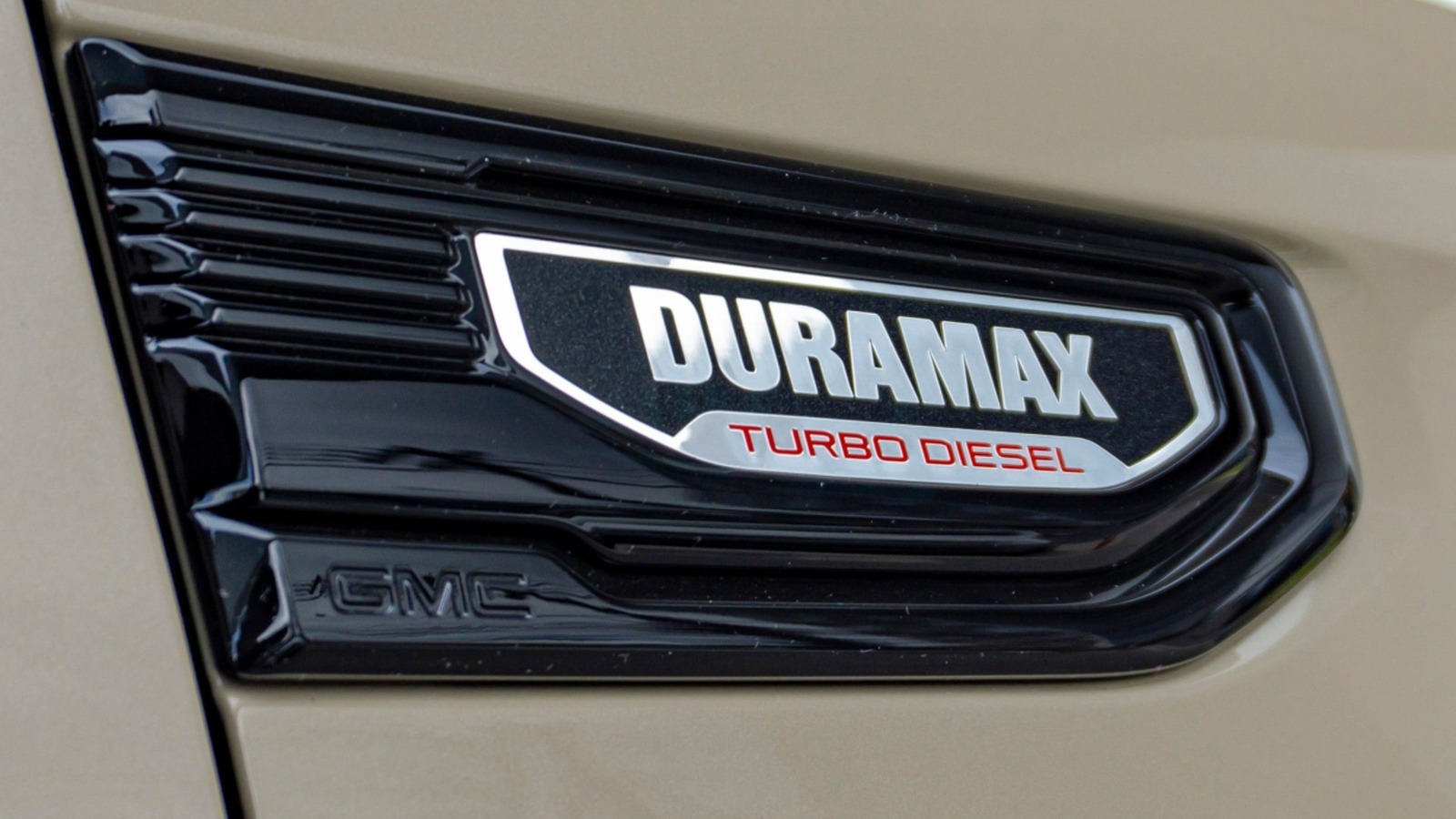
When we first laid eyes on our 2008 Chevy Silverado 2500HD, it had 187,000 miles on the clock, a cracked center console, and a diesel exhaust that smelled like it had stories to tell. The LMM Duramax under the hood fired right up, idled smooth, and pulled hard. The bones were there. What wasn’t there was any confidence that it could survive 5,000 miles of back roads, dirt sections, mountain passes, and high-altitude fuel stops without leaving us stranded somewhere outside of cell service.
This is the story of how we turned a tired, high-mileage work truck into a rally-ready diesel machine over the course of four months, and everything we learned along the way.
Why a Duramax?
Before we get into the build, let’s answer the obvious question: why not a Cummins? Why not a Powerstroke?
Simple. We found this truck at the right price, at the right time, and the LMM Duramax has a reputation for being one of GM’s most mechanically sound diesel engines — when it’s properly maintained and its known weaknesses are addressed. The 6.6-liter displacement gives you plenty of low-end torque for loaded highway pulls and technical terrain, and there’s a deep aftermarket support community behind it.
The flipside? From the factory, this engine carries a lot of emissions equipment that makes sense for street compliance but starts working against you the moment you put it under sustained load. More on that shortly.
Starting Point: The Honest Assessment
Before spending a dollar on performance, we spent a weekend doing a full mechanical teardown and inspection.
What we found:
- EGR system: Carboned up badly. The EGR valve was sticky, and the cooler showed early signs of deposit buildup, which is a well-documented failure point on the LMM.
- DPF (Diesel Particulate Filter): Partially clogged. Regeneration cycles had been happening more frequently than normal, which explained the occasional power dip the previous owner mentioned.
- Injectors: Healthy. Compression test results were solid across all eight cylinders.
- Cooling system: Fresh-ish coolant, no signs of EGR cooler failure contamination. Lucky.
- Transmission: 6L90 auto, no slipping, fluid looked dark but acceptable.
- Suspension: Worn front CV boots, both front shocks needed replacing.
The verdict: mechanically sound, but the emissions system was actively strangling the engine and creating a time bomb situation for a 5,000-mile rally. On a daily driver running predictable urban routes, you can nurse a tired DPF along. On a rally, where you’re doing 600-mile days at varying altitudes, inconsistent fuel grades, and full throttle pulls over mountain grades, that’s a different story entirely.
The Decision to Delete
We’ve had this conversation a hundred times around rally campfires. The DPF, EGR, and DEF systems on modern diesel trucks were engineered for a specific operating profile. When you push outside that envelope, the failure rates go up significantly.
After weighing our options, we decided a full emissions delete was the right call for a truck that was going to see serious rally use. We sourced a Duramax delete kit from EngineGo, which bundles the DPF delete pipe, EGR delete plate, and supporting hardware into a single package designed specifically for the LMM platform. Having everything spec’d and sourced together saved us from the usual parts-matching headache, and the kit arrived well-packaged with clear fitment documentation.
The EGR Delete: More Than Just Emissions
If there’s one modification that made an immediate, tangible difference in how this truck drove, it was the EGR delete.
The Exhaust Gas Recirculation system on the LMM routes hot, dirty exhaust gases back into the intake manifold to lower combustion temperatures for NOx reduction. In theory, fine. In practice, over 187,000 miles of use, those gases deposit a thick layer of carbon soot on the intake manifold walls, throttle body, and EGR cooler passages. The result is reduced airflow, higher intake temperatures, and a cooler that’s one bad heat cycle away from cracking and sending coolant into your intake, a scenario that typically ends with a very expensive engine rebuild.
The LMM Duramax EGR delete kit we installed from EngineGo uses a billet aluminum block-off plate that seals the EGR ports cleanly at the intake manifold. We paired it with a thorough intake cleaning and the before/after airflow difference was visible just by looking down the intake with a flashlight.
Post-install, intake air temperatures dropped noticeably at cruise. Throttle response sharpened. And one significant failure point was permanently removed from the equation.
DPF and Exhaust Flow
The DPF delete pipe replaced the stock diesel particulate filter section with a straight-through 4-inch stainless pipe, allowing exhaust gases to flow freely without the pressure differential that triggers forced regeneration cycles. No more regen events pulling power at inopportune moments. No more watching the DPF temp gauge climb while you’re trying to maintain speed on a long uphill grade.
The exhaust note changed. It’s deeper now, more honest about what’s happening under the hood, but it’s not obnoxious. This is a working truck, not a rolling noise complaint.
We also deleted the DEF system, eliminating the urea injection components, the DEF tank, and the associated wiring. Fewer systems, fewer failure modes. On a rally that takes you hundreds of miles from the nearest dealership, simplicity is reliability.
Tuning
None of the above modifications work properly without a tune. Running a deleted diesel without an appropriate ECU tune will throw fault codes, put the truck in limp mode, and in some cases cause the engine to run lean or over-fueled depending on the sensor configuration.
We went with a handheld diesel tuner matched to our LMM’s year and configuration, also sourced through EngineGo, which offers platform-specific tuner options alongside their delete kits. The tune was loaded in about 20 minutes and addressed fueling tables, boost targets, and transmission shift points. The truck felt genuinely different on the first drive: throttle response was more immediate, the transmission held gears longer under load, and fuel economy on our first long test loop actually improved slightly, presumably because the engine was no longer spending energy fighting restricted exhaust flow and recirculated hot gases.
Supporting Modifications
The delete work was the foundation, but building a rally-capable truck meant addressing the rest of the platform too.
- Suspension: We replaced both front shocks with Bilstein 4600 series units and installed fresh CV boots all around. For the rear, we added a helper spring pack to handle the weight of our rally gear and spare fuel.
- Cooling: Given the added thermal load of extended high-speed runs, we flushed and refilled with fresh OEM-spec Dex-Cool and replaced the thermostat as preventive maintenance. An aftermarket transmission cooler was plumbed in. The stock unit is adequate for normal use, but sustained towing/load conditions can push transmission temps into concerning territory.
- Fuel system: New fuel filter, cleaned injector o-rings, and a lift pump upgrade to ensure consistent fuel delivery at altitude. Diesel engines are particularly sensitive to fuel starvation at elevation, where lower atmospheric pressure reduces the efficiency of gravity-fed fuel delivery.
- Tires: We mounted a set of all-terrain tires sized up slightly from stock. They are not aggressive enough to hurt highway efficiency, but with enough tread block for unpaved rally sections.
- Recovery gear: Kinetic recovery rope, MaxTrax boards, high-lift jack, and a 12V air compressor mounted in the bed. Standard kit for anyone serious about finishing a long rally.
First Shakedown: 800 Miles
Before committing to a full rally, we ran an 800-mile shakedown loop through a mix of interstate, mountain two-lane, and unpaved forest roads. The truck performed without issue from start to finish. Power delivery was strong and consistent throughout. No warning lights, no unexpected regen events, no transmission slippage, and fuel economy averaged just over 19 MPG on the highway sections, which is impressive for a loaded 2500HD.
Intake temperatures at sustained cruise sat noticeably lower than our pre-build baseline runs, validating the EGR work. The transmission shift behavior was more confidence-inspiring with the tuned programming.
The only item flagged for attention was a minor front sway bar link rattle that we caught on the dirt sections, a $30 fix and an afternoon of work.
The Big Picture
Building a high-mileage diesel for serious rally use is fundamentally about honest prioritization. You cannot address everything at once. What you can do is correctly identify the systems most likely to fail under sustained stress, eliminate the known weak points, and give the engine the breathing room it needs to do its job.
For this LMM Duramax, the delete work was the single highest-leverage modification we made. Everything else was supporting structure around a healthier foundation.
The 5,000-mile rally is circled on the calendar. The truck is ready. We’ll report back from the road.
EngineGo supplied the delete kit and tuner components used in this build. Their platform-specific fitment approach made sourcing considerably less complicated than previous builds we’ve done. Find their LMM and full Duramax lineup at https://enginego.com.

Disclaimer: Guest Posts don’t reflect the views and opinions of Crankshaft Culture. Articles include links to websites for products and services. Crankshaft Culture receives a monetary commission for each guest post.
Leave a Reply