
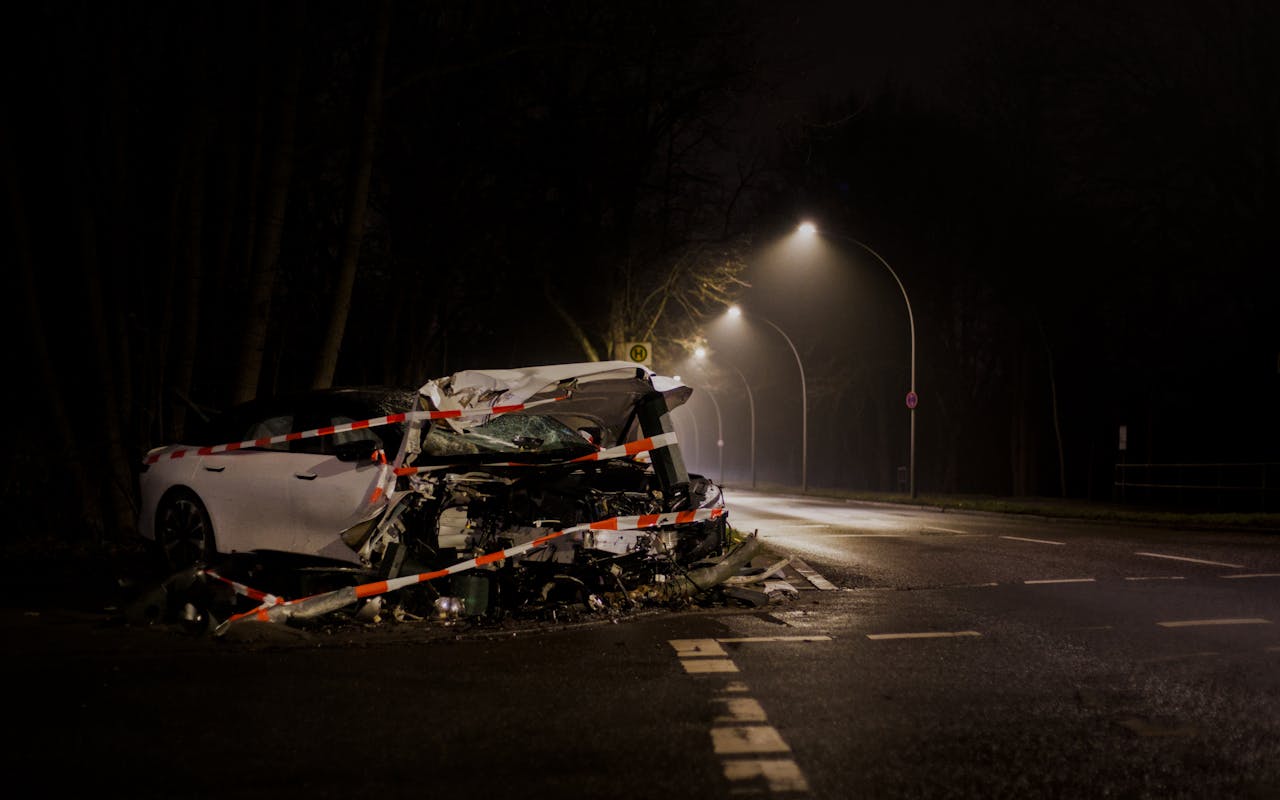
The deadliest roads in America claimed more lives in 2022 than any year since 2007, with the U.S. reaching a fatality rate of 1.37 deaths per 100 million vehicle miles traveled. This paints a sobering picture of road safety across the nation. Among the most dangerous highways in America, Interstate 4 stands out as the deadliest highway in America with 1.134 deaths per mile. Human error accounts for up to 93% of all auto accidents, but road design and infrastructure flaws play critical roles as well. We’ve compiled the stories, statistics and risk factors behind the most dangerous interstate routes to help you understand what makes these roads so deadly.
What Makes a Road Deadly: Understanding the Risk Factors
Multiple forces join to turn ordinary stretches of pavement into America’s most dangerous highways. These risk factors become clear when we explore how infrastructure, traffic patterns, weather and human decisions interact to create deadly conditions.
Road Design and Infrastructure Flaws
Defective road design stands as a foundational contributor to fatal crashes on the most dangerous roads in America. Potholes, broken guardrails and unsafe shoulders catch even cautious drivers off guard. Water accumulation triggers hydroplaning when inadequate drainage systems fail. Poorly graded curves and narrow lanes force vehicles into dangerous positions. Sharp curves without sufficient warning signage, blind corners with limited visibility and roads lacking proper lighting at night create hazards that drivers cannot anticipate. Motorists lose guidance without missing or faded lane markings, especially in construction zones where traffic patterns move frequently.
Traffic Volume and Urban Congestion
Traffic density creates a paradoxical relationship with accident frequency. Accident rates rise sharply as average daily traffic approaches 7,000 vehicles, then decline beyond this threshold gradually, studies indicate. Severe crashes rose 25% in areas previously plagued by gridlock when traffic patterns moved. Main arteries account for just over 65% of fatal crashes and 57% of deaths. Fatal crashes occur more than twice as often at intersections where two arterial roads meet. Aggressive lane changes become necessary under urban congestion and reaction time drops. The constant vehicle presence raises collision risk inherently.
Weather Conditions and Geographic Challenges
Adverse weather conditions generate nearly 750,000 crashes annually and kill more than 3,800 people while injuring over 268,000. The majority of weather-related road accidents happen on wet pavement. Freezing rain creates deceptively dangerous conditions where wet-looking roads are actually ice sheets. Visibility drops to mere feet in fog. Snow eliminates traction and high winds exceeding 30 mph push vehicles off course. Slick roads were cited as the critical reason in about 50% of environment-related crashes.
Human Behavior and Driver Error
Driver mistakes form the dominant factor behind roadway fatalities. Drivers were assigned the critical reason in 94% of crashes. Distracted driving, speeding, impaired operation and aggressive behaviors like tailgating magnify crash severity. Geographic location influences these behaviors by a lot. Rural areas account for 41% of crash deaths despite only 20% of the U.S. population residing there. The rural fatality rate per 100 million vehicle miles traveled stands at 1.65 compared with 1.07 in urban areas. Restraint usage is different as well. 51% of rural passenger vehicle occupants killed in crashes were unrestrained versus 48% in urban settings.
The Most Dangerous Highways in America
Six highways in America stand out for their high fatality rates. Each presents unique dangers that have claimed hundreds of lives.
Interstate 95: The East Coast Corridor of Fatalities
Interstate 95 recorded 284 deaths in 2019 and earned its position as one of the most dangerous highways in America. The interstate stretches 1,908 miles from Florida to Maine. Florida makes up over 33% of all fatalities despite representing only 20% of the total length. Florida alone experienced more than 1,700 fatal crashes along I-95 from 2019 to 2023 and made up a quarter of all deadly I-95 crashes nationwide. The Brevard and Volusia counties stretch factored in 451 of the 1,729 deaths during this period. Just over 14 fatalities were recorded per 100 miles.
Interstate 4: Florida’s Deadliest Stretch
Interstate 4 holds the title of deadliest highway in America. It has around 34 fatal crashes per 100 miles. This 132-mile stretch connects Tampa to Daytona Beach through Orlando and experiences 1.25 fatalities per mile. I-4 saw 165 deaths from 2011 to 2015. The Orlando section between Lakeland and the theme parks proved most dangerous. It had 150 fatalities reported from 2016 to 2019.
Highway 431: Alabama’s Highway to Hell
U.S. Highway 431 ranks as the fourth-deadliest road in the country. White crosses line the shoulders and mark lives lost. One stretch near the Big Yuchi Bridge saw around 26 deaths over five years. State troopers reported the highway becomes “slick as glass” during rain. The road shifts from two lanes to four lanes and back constantly.
Route 138: California’s Blood Alley
State Route 138, dubbed “Blood Alley,” recorded 56 deaths and 875 injuries over a five-year period. Officials factored in 410 as serious. They estimate more than 70 people have lost their lives on this segment.
U.S. Route 550: Colorado’s Million Dollar Highway
The Million Dollar Highway covers only 25 miles through the San Juan Mountains at 11,000 feet elevation. It has no safety guardrails. There were 302 accidents resulting in nine crash fatalities from 1990 to 2010. About 40 accidents occur each year with an average of seven deaths per year.
Interstate 45: Texas’s Fatal Thoroughfare
Interstate 45 ranks as the deadliest highway in America. It has 56.5 fatal accidents for every 100 miles. This 285-mile stretch from Dallas to Galveston recorded 260 fatalities from 2016 to 2019. Harris County alone had 38 fatal accidents from 2017 to 2019. Drunk drivers were involved in 30% of them.
The Stories and Tragedies That Define These Roads
Behind every crash statistic lies a specific moment when road design, weather, or human error transformed an ordinary drive into tragedy.
Blind Curves and Limited Visibility Incidents
More than 25 percent of fatal crashes are associated with horizontal curves. The shape of these curves creates total obstruction of driving visibility so drivers cannot spot approaching vehicles or obstacles. About three-quarters of curve-related fatal crashes involve single vehicles that leave the roadway and strike trees or utility poles. The combination of darkness and heavy precipitation with blind curves limits response time.
Head-On Collisions from Poor Lane Design
About 10 percent of curve-related crashes are head-on collisions where vehicles wander across the center line into opposing lanes. Roads that lack barriers between lanes of opposing traffic see more head-on collisions. Poorly banked roads fail to account for centripetal force and cause speeding cars to fly off the road. Inadequate signage made from reflective sheeting manufacturers and improper lighting at intersections lead to collisions at high-traffic areas.
Weather-Related Crashes and Seasonal Dangers
Weather-related conditions contribute to 745,000 crashes each year and kill over 3,800 people. July and August were the deadliest months, with an average daily toll of 116 fatalities. Fall accounts for the highest percentage of crashes in 39 states and challenges assumptions about winter being most dangerous. Over 1,300 people are killed on snowy, slushy, or icy pavement each year.
The Human Cost: Lives Lost and Families Affected
A wrong-way drunk driver killed five family members on I-75 in Kentucky on January 6, 2019, with the driver’s blood alcohol level at four times the legal limit. Three Louisiana children died when a drunk driver traveling the wrong direction crashed head-on into their vehicle on Interstate 49. Motor vehicle crashes cost American society $340 billion in 2019.
In many cases, serious accidents leave vehicles damaged beyond repair or too costly to maintain. Owners may choose to sell the car after the incident, either privately or for parts. This is where documentation becomes critical, especially if questions arise about the condition of the vehicle or the terms of the sale. Bills of sale can help parties resolve vehicle sale disputes by providing a clear record of what was agreed upon.
For families affected by serious highway crashes, the aftermath often extends far beyond the scene of the accident. Medical bills, lost income and long-term rehabilitation can create overwhelming financial pressure, especially when another driver’s negligence, impaired driving or reckless speeding played a role. ConsumerShield provides guidance on understanding car accident injury claims and can help connect victims and families with experienced attorneys who can review what happened and explain their legal options.
Why Road Fatalities Are Increasing
Road fatalities on the most dangerous highways in America surged during recent years. Four interconnected behavioral changes caused this and altered driving patterns nationwide.
Rising Speeds on Empty Roads
The pandemic created unexpectedly hazardous conditions when traffic volumes dropped. Virginia drivers going at least 10 mph over the speed limit increased more than 50 percent during March-June 2020. The proportion of vehicles exceeding speed limits by 10 mph rose 43 percent during morning commutes and 63 percent during afternoon rush hours. Deaths related to speeding reached a 14-year high with 12,330 fatalities in 2021. California Highway Patrol reported speeding tickets for drivers exceeding 100 mph increased more than 40 percent in March 2020.
Declining Seat Belt Usage
Seat belt usage decreased from previous highs. Unrestrained occupants made up 51% of passenger car crash deaths in 2020. Michigan’s seat belt use rate fell to 92.0 percent in 2024. This was the lowest since 2004. Nearly 60% of back seat passengers killed in crashes were unbuckled in 2023.
Increased Impaired Driving Incidents
Crashes involving alcohol impairment claimed 13,524 lives in 2022 and made up 32% of all traffic deaths. Drunk driving deaths increased 33% since 2019. Poor mental health and reduced policing caused this spike.
Distracted Driving’s Effect
Distracted driving killed 3,275 people in 2023. Drivers manipulating hand-held electronic devices increased 36%. The rate went from 2.2% in 2014 to 3.0% in 2023.
Conclusion
America’s most dangerous roads just need your respect and attention. Throughout this piece, I’ve shown how infrastructure flaws, weather conditions and human error combine to create deadly conditions on highways like I-4, I-95 and I-45. These aren’t just statistics. They represent families torn apart and lives cut short. Review these risk factors carefully before your next road trip. Stay alert, buckle up, drive sober and adjust your speed for conditions. Your awareness could prevent you from becoming another tragic statistic.

Disclaimer: Guest Posts don’t reflect the views and opinions of Crankshaft Culture. Articles include links to websites for products and services. Crankshaft Culture receives a monetary commission for each guest post.
Leave a Reply