
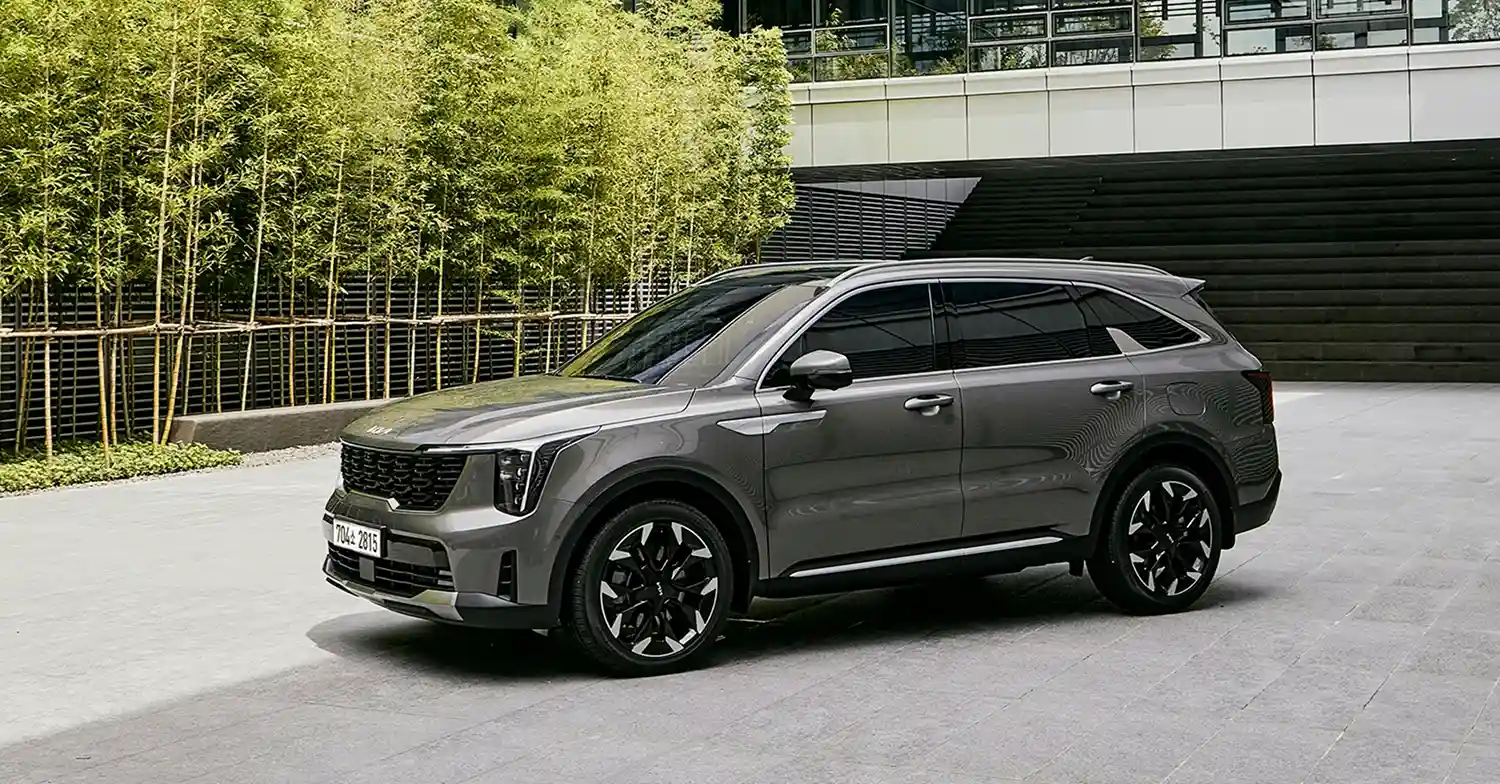
Sport utility vehicles have evolved into some of the safest machines on the road today. What began as a category built for durability and off-road performance now stands at the forefront of automotive safety innovation. This shift comes at a time when broader road safety trends are showing measurable progress.
The National Highway Traffic Safety Administration states that traffic fatalities in the US dropped by about 8.2%. There were an estimated 17,140 deaths in the first half of 2025, compared to 18,680 in 2024.
This marks the largest midyear decline since 2008 and a lower fatality rate despite increased driving miles. These improvements point toward the growing impact of safer vehicle design, better enforcement, and advanced technology.
Modern SUVs sit right at the center of this progress. They integrate strong structural design with smart technologies that help reduce accidents and safeguard passengers.
The Evolution of SUV Safety Design
Recent rankings from Car and Driver highlight how far SUV safety has progressed. Models like the Honda CR-V, Hyundai Ioniq 5, and Genesis GV80 consistently earn top scores in testing and real-world evaluations.
These rankings consider a wide range of factors, including crash performance, driver assistance features, and structural integrity under different conditions. This level of detailed assessment reflects a combination of engineering precision, intelligent systems, and balanced vehicle dynamics.
Airbag systems have also become more sophisticated. An NCBI study highlights that the adoption of frontal airbags was influenced by a mix of regulatory delays and technological challenges.
Early safety regulations faced resistance and slow implementation due to cost concerns and design limitations. However, several manufacturers chose to introduce airbags ahead of mandates, recognizing their potential to reduce fatalities and injuries in crashes.
Instead of relying on a few front airbags, modern SUVs include side curtain airbags and, in some models, knee airbags. This leads to a vehicle built not only to endure collisions but also to handle them in a controlled and efficient way.
Advanced Driver Assistance Systems Changing the Game
Advanced Driver Assistance Systems (ADAS) function like an additional layer of awareness for drivers on the road. An MDPI study notes that these systems rely on a combination of sensors. This includes radar, cameras, LiDAR, and ultrasonic devices to monitor the surroundings and support driver decision-making.
The research also reviews widely used features like adaptive cruise control, lane-keeping systems, blind-spot detection, and emergency braking. However, even with these systems in place, real-world incidents highlight the unpredictability of driving conditions.
In southwest Atlanta, a fatal head-on collision on Campbellton Road SW involved a pickup truck striking an SUV. The incident led to one fatality and left several others injured. According to the Atlanta Personal Injury Law Firm, drivers often need guidance on what steps to take next in such situations.
Seeking help from professionals, such as Atlanta car accident lawyers, lets you better understand legal responsibilities and recovery options. The presence of ADAS has reduced risk in modern SUVs. However, it does not remove the need for driver awareness.
Connectivity and Real-Time Safety Insights
Modern SUVs are increasingly connected, enabling real-time updates that improve safety. Navigation systems can alert drivers to traffic congestion, accidents ahead, or sudden changes in road conditions. Certain vehicles are capable of automatically contacting emergency services following a severe accident.
Modern connected vehicles produce substantial amounts of data through their sensors, cameras, and internal systems. They can capture information about driving behavior, road conditions, and traffic patterns. This data is analyzed to improve navigation, predict risks, and enhance overall mobility. It also enables vehicles to share real-time updates on hazards and congestion with one another.
This level of connectivity turns safety into a proactive experience. Drivers receive information that helps them avoid risks before they become immediate threats. It also enables faster response times during incidents, which can greatly impact the final outcome.
Crash Testing and Industry Standards
Crash testing organizations continue to push automakers to improve safety performance. SUVs consistently perform well in these evaluations due to their size, structural design, and advanced safety systems. Manufacturers compete to achieve top ratings, which encourages continuous development.
These tests simulate real-world scenarios, including frontal collisions, side impacts, and rollovers. As standards become more demanding, SUVs evolve to meet higher expectations. This continuous approach keeps safety at the forefront of vehicle development.
The Insurance Institute for Highway Safety has introduced tougher tests to further improve road safety. Testing shows that not all vehicles perform equally under newer, more demanding conditions.
A revised front-crash-prevention test revealed that many small SUVs struggled, especially at higher speeds. Subaru Forester was the only small SUV rated good, while Honda CR-V and Toyota RAV4 achieved acceptable ratings. However, the Chevrolet Equinox, Mitsubishi Outlander, Mazda CX-5, and Volkswagen Taos got poor ratings.
These findings highlight how evolving test standards are exposing gaps in real-world performance. They encourage manufacturers to refine both crash avoidance technologies and overall vehicle safety.
Frequently Asked Questions
How do modern SUVs handle rollover risks compared to older models?
SUVs have long faced rollover concerns because of their elevated center of gravity. Newer designs reduce this risk with broader stances, enhanced suspension systems, and electronic stability control. These elements help the vehicle stay stable during sudden turns or quick maneuvers.
Are electric SUVs safer than traditional gasoline SUVs?
Electric SUVs can offer safety advantages due to their design. The placement of heavy battery packs low in the chassis improves stability and reduces rollover risk. They also lack large front engines, which can lead to better crumple zones in some cases. However, safety ultimately depends on the overall design, build quality, and included safety features rather than the power source alone.
How do weather conditions impact SUV safety features?
Conditions such as heavy rain, fog, or snow can affect the effectiveness of certain safety systems. Camera-based systems may struggle with visibility, while radar sensors can be less precise in extreme conditions. Many current SUVs include a variety of sensors to help offset these challenges.
Modern SUVs have set a new benchmark for road safety through a combination of engineering, technology, and innovation. From reinforced structures to intelligent assistance systems, these vehicles are designed to reduce risk and protect occupants.
Even with these advancements, safe driving still depends on human awareness and responsibility. Technology can support and guide, but it cannot replace attentive driving. As SUVs continue to evolve, they represent a strong step forward in making roads safer.

Disclaimer: Guest Posts don’t reflect the views and opinions of Crankshaft Culture. Articles include links to websites for products and services. Crankshaft Culture receives a monetary commission for each guest post.
Leave a Reply