
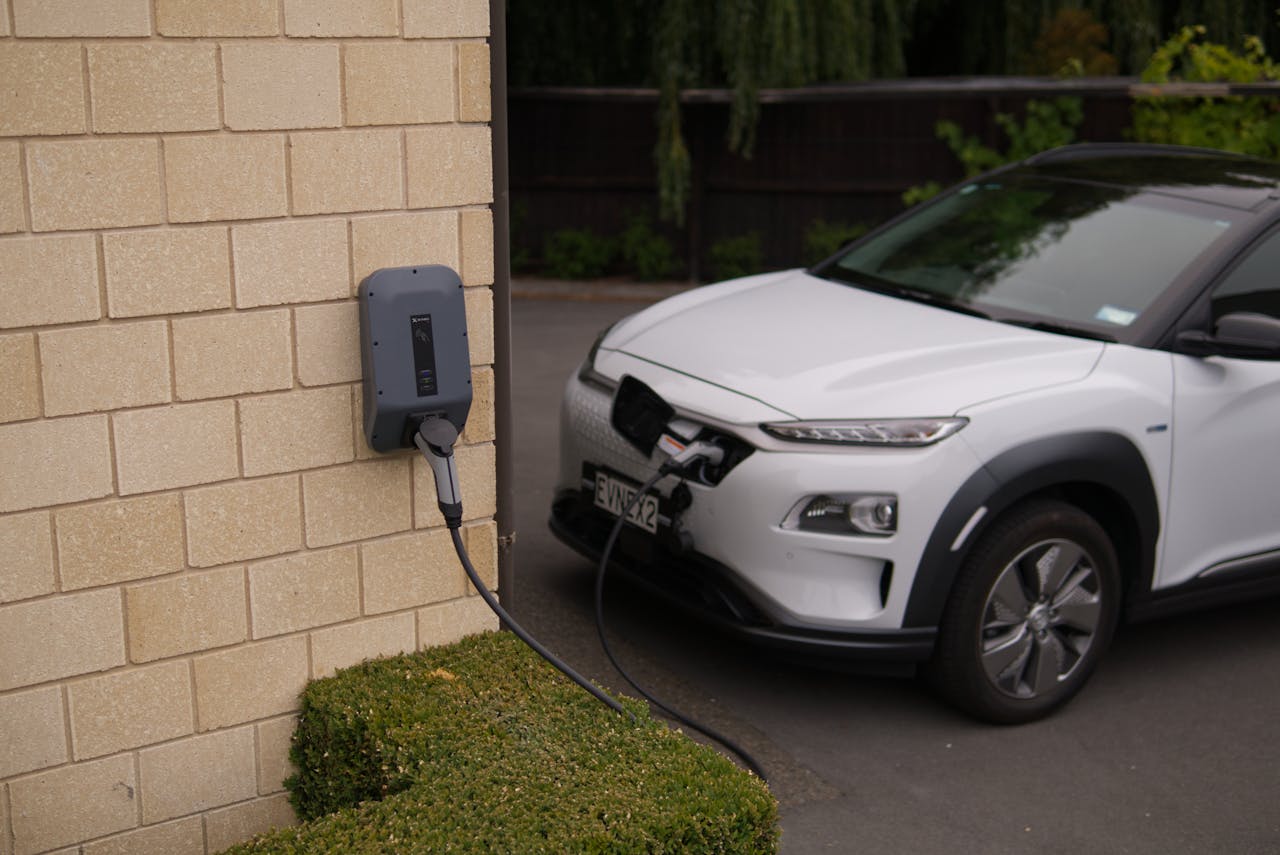
Executive Overview: Why Rapid DC Charging Matters Now
Electric vehicles aren’t coming, they’re already here, and they’re changing how businesses think about infrastructure. For many organisations, rapid DC charging has shifted from a “nice to have” perk to something far more strategic.
The numbers back this up. Public charging infrastructure is expanding quickly, with millions of new charge points added globally in just the past year. Fast chargers, in particular, are seeing strong growth as drivers demand quicker, more convenient ways to top up their vehicles. For businesses, that creates a clear opening. Meet that demand early, and you are not just keeping up, you are getting ahead.
What Is Rapid DC Charging? (Without the Jargon)
At its core, rapid DC charging is about speed. Unlike AC charging, which relies on a vehicle’s onboard charger and can take several hours, DC charging feeds power directly into the battery.
The result is a meaningful charge in as little as 20 to 40 minutes, depending on the charger and the vehicle. That is the difference between an overnight wait and a quick stop during a coffee break.
For businesses, this matters more than it might seem at first glance. Faster charging means higher turnover, shorter queues, and more practical use in settings where time is limited, such as retail parks, service stations, or fleet depots.
Market Trends Driving Business Adoption
A few key shifts are pushing rapid DC charging firmly into the mainstream.
First, EV adoption continues to climb. More drivers are switching, and that naturally increases demand for reliable, fast charging, especially outside the home.
Second, investment is pouring into charging infrastructure. Governments, private companies, and energy providers are all racing to expand networks. That momentum is unlikely to slow anytime soon.
Third, not every EV owner can charge at home. Urban living, long distance travel, and commercial fleets all rely heavily on public charging. Businesses that can provide it, particularly fast charging, are in a strong position to capture that traffic.
Key Benefits for Businesses
Increased Foot Traffic and Customer Dwell Time
There is a simple dynamic at play. People go where they can charge.
If your site offers rapid charging, EV drivers are more likely to stop and stay. Even a 30 minute charging session can translate into a coffee, a meal, or a bit of shopping. Over time, that adds up.
New Revenue Streams
Charging does not just bring people in, it can generate income directly. Businesses can charge per session, partner with network operators, or bundle charging into broader services.
The models are still evolving, which actually works in your favour. There is room to experiment and find what fits your customers best.
Brand Positioning and ESG Impact
Sustainability is not just a buzzword anymore, it is something customers and investors pay attention to. Installing EV charging sends a clear signal that your business is thinking ahead.
It also feeds into broader ESG goals, which can matter for reporting, partnerships, and long term reputation.
Future Proofing Infrastructure
Regulation is moving in one direction, towards electrification. Investing now can save you from scrambling later. It is often easier, and cheaper, to plan ahead than retrofit under pressure.
Cost Considerations and Return on Investment
Let us be honest. Rapid DC charging is not cheap to install.
Costs can vary widely depending on the site, but they typically include the chargers themselves, grid upgrades, installation work, and ongoing maintenance. Higher powered units, especially 150 kW and above, come with a bigger upfront price tag.
That said, the return is not just about direct revenue. Location plays a huge role here. High traffic sites, such as motorway services or busy retail areas, tend to see faster payback because utilisation is higher.
It is also worth thinking beyond immediate returns. Increased footfall, longer visits, and improved brand perception all contribute to the bigger picture.
Types of Businesses That Benefit Most
Not every business will see the same value, but some are particularly well suited.
Retail centres, for example, can turn charging time into shopping time. Hotels add convenience for guests. Fleet operators benefit from faster turnaround. Even traditional fuel stations are evolving into broader energy hubs.
The common thread is simple. These are places where people are already stopping and can make use of that charging window.
Site Selection and Infrastructure Requirements
Where you install chargers matters just as much as what you install.
Power availability is often the first hurdle. High speed chargers need serious electrical capacity, and upgrades can take time. Accessibility is another big factor. If drivers cannot easily find or reach your chargers, usage will suffer.
Then there is layout. Poorly designed parking can create bottlenecks or confusion, which quickly puts people off. A bit of planning here goes a long way.
Government Incentives and Regulatory Landscape
In many regions, there is financial support available for EV infrastructure, including grants, tax incentives, and subsidies. These can make a meaningful difference to upfront costs.
That said, schemes vary and change over time. It is worth doing your homework, or bringing in someone who already has, to make sure you are not leaving money on the table.
Choosing the Right Charging Technology and Partners
Not all charging solutions are created equal, and this is where things can quickly become complex.
Businesses exploring DC charger solutions for businesses need to think beyond just the hardware. Power levels, compatibility with different vehicle types, software platforms, and ongoing maintenance all play a role in long term success.
Reliability, in particular, is critical. A charger that is out of service does not just inconvenience drivers, it reflects poorly on your brand. That is why many organisations choose to work with experienced providers who can offer end to end support, from installation through to ongoing management.
Challenges and Common Pitfalls
It is not all straightforward.
Upfront costs can be high, especially in the early stages when utilisation is uncertain. Grid connections can take longer than expected. Maintenance issues, if not handled properly, can damage customer trust.
Then there is pricing. Set it too high and you deter users, too low and you struggle to recover costs. Finding the right balance takes time.
Case Studies: Real World Business Success
We are already seeing businesses make this work.
Fuel retailers are reinventing their sites as charging hubs. Retailers are using charging to draw in customers. Hospitality venues are adding it as a value added service.
The most successful examples tend to share a common approach. They treat charging not as a standalone feature, but as part of a broader customer experience.
The Future of Rapid DC Charging in Commercial Spaces
Looking ahead, things are only going to get faster and smarter.
Ultra fast chargers are reducing wait times even further. Smart systems are helping manage energy use more efficiently. Some sites are even pairing charging with renewable energy and battery storage.
In other words, this is not a static investment. It is a space that is evolving quickly.
Actionable Steps to Get Started
If you are considering rapid DC charging, a structured approach helps.
Start with a feasibility study. Does the demand exist, and can your site support it? From there, look at power requirements, costs, and available incentives.
Choosing the right partners is key, as is planning for future expansion. Once everything is in place, make sure to promote it. People need to know it is there.
Conclusion: Turning Charging Infrastructure into a Competitive Advantage
Rapid DC charging is becoming part of the business landscape, quietly but steadily.
For those who move early, there is a real opportunity to stand out. It is not just about keeping up with EV adoption, it is about shaping how customers experience your business in the years ahead.
Handled well, charging infrastructure is not just another expense. It is an investment in visibility, relevance, and long term growth.

Disclaimer: Guest Posts don’t reflect the views and opinions of Crankshaft Culture. Articles include links to websites for products and services. Crankshaft Culture receives a monetary commission for each guest post.
Leave a Reply