
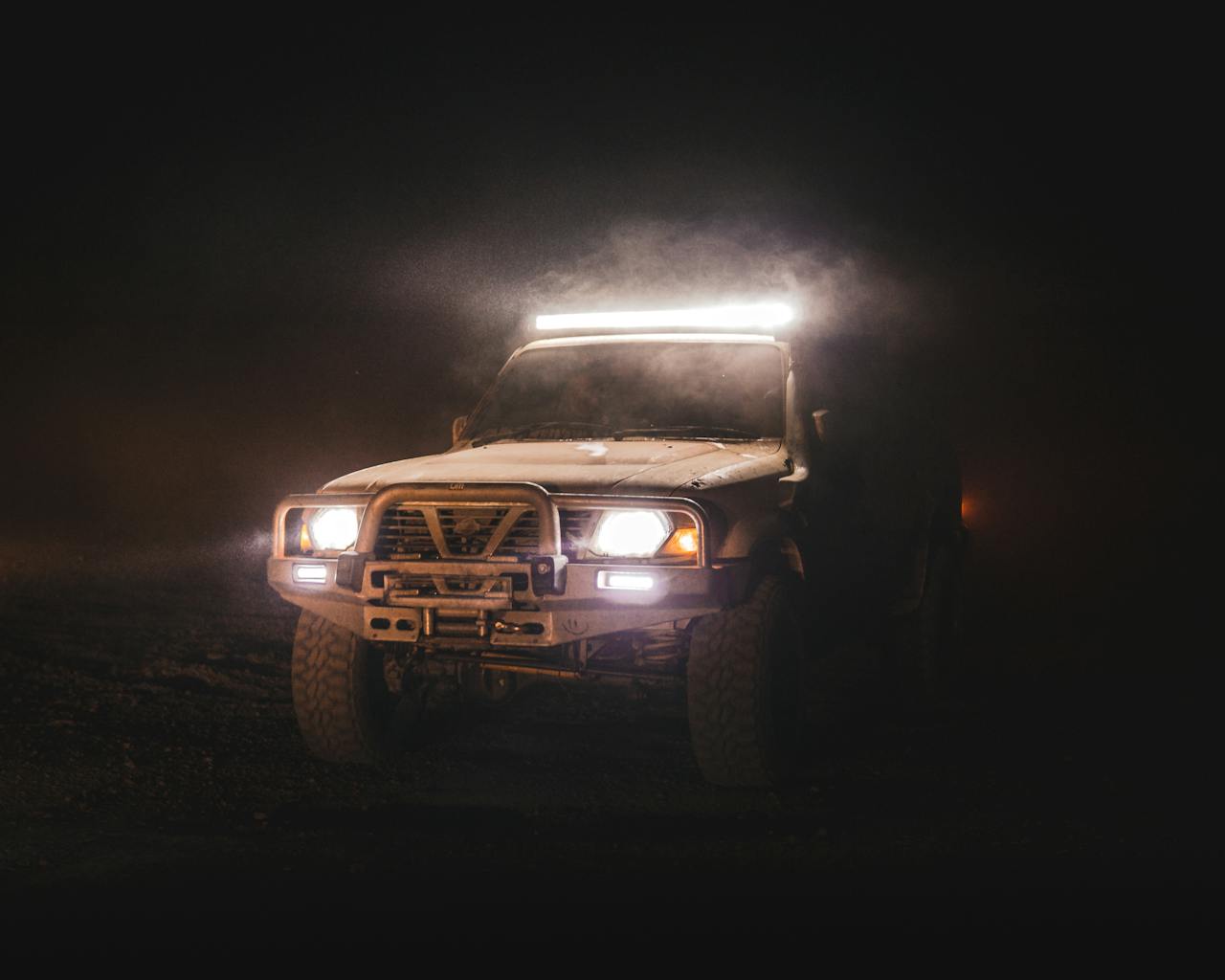
When it comes to upgrading your vehicle for off-road performance, lighting is one of the most impactful improvements you can make. But once you start exploring your options, you’ll quickly run into a common question: should you go with LED light bars or pod lights?
Both options offer serious advantages, and the right choice often depends on how and where you drive. Trails, backroads, and overlanding routes all present different challenges, and your lighting setup should match your environment. Understanding the differences between these two popular lighting solutions can help you build a setup that improves visibility, safety, and overall driving confidence.
For drivers considering upgrades like led light bars for trucks, it’s important to know how they compare to pod lights and where each option performs best.
Understanding the Difference Between Light Bars and Pod Lights
LED light bars and pod lights are designed with different purposes in mind. Light bars are typically long, horizontal fixtures that mount to the front of your vehicle—often on the roof, bumper, or grille. Their design allows them to produce a wide and consistent beam of light, covering a large area in front of the vehicle.
Pod lights, on the other hand, are smaller, compact units that can be mounted in multiple locations. You’ll often see them placed on A-pillars, bumpers, roof racks, or even along the sides of a vehicle. Their flexibility makes them ideal for targeted lighting, allowing drivers to illuminate specific areas rather than relying on a single forward-facing beam.
This difference in size and placement is what makes each option unique. Light bars are great for broad, forward visibility, while pod lights offer more customization and control over where light is directed.
How Beam Pattern Affects Trail Visibility
Beam pattern is one of the most important factors to consider when choosing off-road lighting. It determines how light is distributed and directly impacts how well you can see your surroundings.
Light bars often come with combination beam patterns, blending spot and flood lighting into one unit. This allows them to project light both far down the trail and across a wider area. For open trails or high-speed driving, this type of coverage can be extremely useful.
In contrast, off road pod lights are typically used to create a more customized beam setup. You can mix and match different beam types—such as spot, flood, or wide cornering—to suit your specific needs. For example, you might use spot pods for distance and flood pods for side visibility.
This level of customization is especially valuable on tight or technical trails. When navigating turns, obstacles, or uneven terrain, being able to see beyond your direct line of sight can make a major difference. Pod lights allow you to build a system that fills in blind spots and enhances overall visibility.
Comparing Brightness, Coverage, and Efficiency
When it comes to raw brightness, both light bars and pod lights can deliver impressive performance. However, the way that light is distributed is what sets them apart.
Light bars are designed to produce a high volume of light across a wide area. This makes them ideal for illuminating large sections of a trail or road at once. If you frequently drive in open environments or need maximum forward visibility, a light bar can provide the coverage you’re looking for.
Pod lights, while smaller, are highly efficient and versatile. Because they can be placed in multiple locations, they allow you to spread light more strategically around your vehicle. Instead of concentrating all your illumination in one place, you can create a balanced setup that improves visibility from multiple angles.
Efficiency also comes into play when considering power usage and heat management. Modern LED systems are designed to be energy-efficient, but smaller pod lights can sometimes offer more flexibility in managing power draw, especially when used in combination setups.
Ultimately, the choice comes down to how you want your light distributed. Do you prefer a single, powerful source of light, or a network of smaller lights working together?
Choosing the Right Setup for Your Driving Style
Your driving style and typical environment should play a major role in your decision. There’s no one-size-fits-all answer when it comes to off-road lighting, and the best setups often combine both light bars and pod lights.
If you spend most of your time on open trails, desert terrain, or long stretches of backroad, a light bar can provide the forward visibility you need to maintain speed and stay aware of what’s ahead. Its wide coverage and powerful output make it a reliable choice for these conditions.
On the other hand, if you frequently tackle technical trails, wooded areas, or tight turns, pod lights may be the better option. Their ability to illuminate specific areas—such as the sides of your vehicle or the immediate ground in front of you—can help you navigate obstacles with greater precision.
Many drivers find that a hybrid setup works best. Combining a light bar with strategically placed pod lights allows you to take advantage of both systems. You get the long-distance visibility of a light bar along with the targeted coverage of pod lights, creating a well-rounded lighting solution.
For those looking to invest in dependable, high-performance systems like Baja Designs light bars, building a setup tailored to your driving habits can make all the difference.
Conclusion
Choosing between LED light bars and pod lights isn’t about which option is better overall—it’s about which one is better for you. Each type of lighting offers unique advantages, and understanding how they perform in different environments is key to making the right decision.
Light bars excel at providing broad, forward-facing illumination, making them ideal for open terrain and higher-speed driving. Pod lights, on the other hand, offer flexibility and customization, allowing you to target specific areas and improve visibility in more technical conditions.
By considering your driving style, terrain, and lighting needs, you can create a setup that enhances both safety and performance. Whether you choose one option or combine both, the right lighting system will help you see more clearly, react faster, and drive with greater confidence on any trail.

Disclaimer: Guest Posts don’t reflect the views and opinions of Crankshaft Culture. Articles include links to websites for products and services. Crankshaft Culture receives a monetary commission for each guest post.
Leave a Reply