
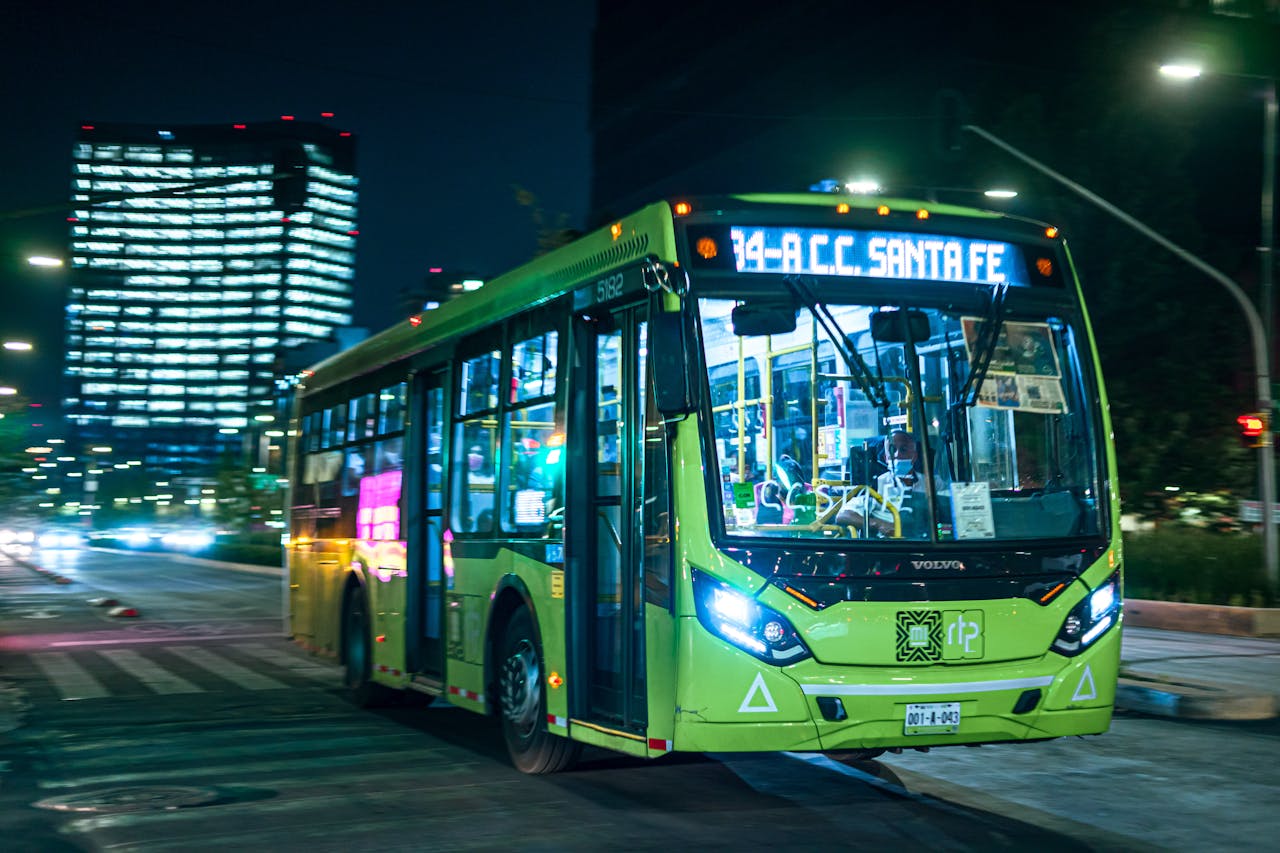
City driving has a way of making every vehicle feel larger than it looks on paper. A compact car can vanish beside a delivery van. An older sedan can lose its view of the road behind a tall SUV. A bus pulling away from the curb can shift the pace of an entire lane in a few seconds.
That mix of sizes is what makes urban traffic so demanding. Drivers are reacting to more than lights, speed limits, and lane markings. They are constantly reading height, weight, blind spots, stopping distance, and the amount of room each vehicle needs to move safely. In tight traffic, those details matter more than many drivers realize.
Vehicle Size Changes What Drivers Can See
Visibility can change in an instant when different-sized vehicles share the same street. A driver in a small hatchback or older sedan may have a clear view ahead until a tall SUV, delivery van, or box truck pulls alongside. Suddenly, crosswalks, traffic signals, cyclists, and turning vehicles are harder to read.
Larger vehicles have visibility limits of their own. A higher seating position can improve the view down the block, but it can also create blind spots close to the vehicle. A driver may see traffic building ahead while missing a pedestrian near the front corner or a compact car sitting low in the next lane.
That size gap matters most where traffic is constantly shifting. Bus stops, loading zones, rideshare pickups, bike lanes, and tight intersections all create moments where drivers need to look beyond the vehicle directly in front of them. The safest drivers leave room for what they cannot see yet.
Stopping Distance Depends on More Than the Brake Pedal
Every driver knows the brake pedal matters. What many overlook is how much the vehicle itself changes what happens after that pedal is pressed. A light compact car, a loaded SUV, and a delivery van may all be traveling at the same speed, but they will not need the same amount of room to stop.
Weight is only part of it. Tires, brake condition, suspension setup, road surface, weather, visibility, and reaction time all shape the final stopping distance. Speed makes the problem worse because it gives the driver less time to respond and requires more space to slow down. Federal safety guidance notes that speeding increases stopping distance and crash severity, which is one reason tight city streets can become unforgiving so quickly.
That matters in stop-and-go traffic, where drivers often leave only a car length or two between vehicles. A sudden red light, a pedestrian stepping off the curb, or a rideshare vehicle stopping without warning can turn a normal commute into a chain reaction. The safest drivers give themselves more room than the moment seems to require.
When Larger Vehicles Raise the Stakes
Large-vehicle crashes do not play out the same way everywhere. On rural Midwest roads, speed and distance can shape the outcome, especially when passenger cars share space with semis, buses, farm vehicles, or work trucks. Nearby states such as Indiana and Ohio often add suburban corridors, school buses, delivery vans, and commuter traffic to the mix. In denser regions such as California or New York, limited space can make buses, cyclists, pedestrians, rideshare vehicles, and private cars interact in much closer quarters.
Illinois brings together urban, suburban, and highway traffic, with Chicago adding the pressure of dense streets, frequent stops, pedestrians, cyclists, delivery vehicles, and public transit. That setting helps explain why bus crash injury claims in Chicago can involve more moving parts than a standard two-car crash, especially when passengers, pedestrians, multiple vehicles, insurers, or transit-related parties are part of the aftermath.
For everyday drivers, the lesson is practical. A compact car, older sedan, or small SUV does not interact with a bus or delivery truck the same way it interacts with another passenger vehicle. Larger vehicles need more room to stop, more space to turn, and more patience from everyone around them.
Small Vehicles Need a Bigger Awareness Strategy
Drivers of smaller vehicles have one built-in advantage in city traffic: they can usually feel how little room they have. A compact car, older sedan, or small crossover can feel boxed in quickly when larger vehicles fill the lanes around it. That is the moment when awareness matters most.
The safest move is often the least dramatic one. Leave more space behind buses, trucks, and vans. Avoid sitting beside a large vehicle longer than necessary. Watch for vehicles preparing to turn, especially near intersections, loading zones, and curbside stops. A slight movement can reveal more than a turn signal.
City traffic rewards patience more than aggression. Cutting into a tight gap may save a few seconds, but it can put a smaller vehicle in a position where the larger driver has limited visibility and little room to react. Better spacing gives everyone more time to make a clean decision.
Safety Tech Helps, But Judgment Still Matters
Modern vehicles can do a lot to help drivers manage crowded streets. Blind-spot monitoring, automatic emergency braking, parking sensors, rear cross-traffic alerts, and sharper camera systems all give drivers more information than they had a generation ago. Features like these are now part of the broader conversation around modern safety features manufacturers should include in their cars, especially as streets become busier and less predictable.
Technology still has limits. A sensor can warn a driver about a nearby vehicle, but it cannot replace smart spacing, clean mirror checks, or the habit of reading traffic several cars ahead. Cameras can help in tight spaces, but they cannot make a crowded intersection simple.
The best city drivers use safety tech as backup, not permission. They understand that traffic is always changing, and that vehicle size affects what every driver can see, how quickly they can stop, and how much room they need to avoid trouble.
Conclusion
City driving asks more from drivers because every vehicle changes the space around it. A small car, older sedan, SUV, delivery van, or bus can affect sightlines, stopping distance, lane position, and the decisions other drivers have to make in a matter of seconds.
The drivers who handle city traffic best are the ones who respect those differences. They leave room, stay alert around larger vehicles, and understand that size is never just a spec sheet number. On crowded streets, it can shape the entire drive.

Disclaimer: Guest Posts don’t reflect the views and opinions of Crankshaft Culture. Articles include links to websites for products and services. Crankshaft Culture receives a monetary commission for each guest post.
Leave a Reply