
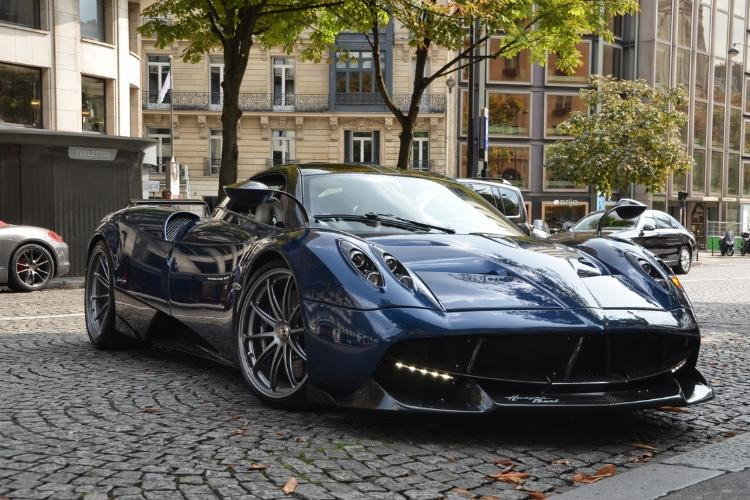
For people who live and breathe horsepower, the right city can transform an everyday commute into something closer to a hobby. Across the United States, certain cities have built genuine cultures around cars, whether through scenic routes, vibrant cars-and-coffee meetups, world-class museums, or a steady calendar of races and shows. Choosing where to live as an enthusiast is about more than garage space. It is about climate, road infrastructure, the surrounding community, and access to events that keep the passion alive year-round. This guide explores some of the most rewarding US cities for drivers who consider their vehicle far more than a way to get from point A to point B.
Los Angeles, California
Los Angeles often tops lists of car-centric cities for good reason. The region has been intertwined with automotive culture for nearly a century, from the postwar custom scene to the imported tuner movement of the late 1990s.
Mulholland Drive, Angeles Crest Highway, and the Pacific Coast Highway offer some of the most scenic driving roads in the country. The city hosts the Petersen Automotive Museum, widely considered one of the finest of its kind globally, alongside countless weekend meets in parking lots from Burbank to Long Beach. Mild weather year-round means classics and convertibles rarely sit idle, and a deep network of specialty shops, restorers, and tuners means owners of nearly any make can find expert support.
However, it’s also worth noting that LA does see a lot of gridlock. Furthermore, California also has strict emissions laws (SMED/CARB), so be aware of that when modifying cars.
Detroit, Michigan
No discussion of automotive cities would be complete without Detroit. As the historic home of the American auto industry, the Motor City retains a unique sense of place for enthusiasts. The Henry Ford Museum, located in nearby Dearborn, houses a remarkable collection of significant vehicles, while the annual Woodward Dream Cruise draws hundreds of thousands of spectators and tens of thousands of classic cars along its namesake avenue.
Detroit’s flat, wide boulevards were essentially designed around the automobile, and the surrounding region remains a hub for engineering talent, restoration specialists, and aftermarket innovation.
Phoenix, Arizona
Phoenix has quietly become one of the country’s most important destinations for collectors and enthusiasts. The dry desert climate is ideal for vehicle preservation, with low humidity helping to keep rust at bay and original finishes intact. Each January, the city plays host to a series of major collector car auctions, including Barrett-Jackson in nearby Scottsdale, which together draw international buyers and sellers for what is often described as a week of automotive pilgrimage. Beyond auction season, the surrounding desert offers open roads with sweeping views, and the metropolitan area supports a thriving community of clubs, cruise-ins, and track days at venues such as Arizona Motorsports Park.
For enthusiasts considering a move, Phoenix also offers a more accessible cost of living than coastal alternatives, which can translate directly into garage space and project car budgets. Platforms like SpareRoom can help you find rooms for rent and roommates in Phoenix, helping to offset early costs while leaving more income for parts, fuel, and more.
Indianapolis, Indiana
Indianapolis is synonymous with motorsport. The Indianapolis Motor Speedway, home to the Indy 500, anchors a city where racing culture is woven into daily life. The track also hosts the Brickyard 400 and a NASCAR road course event, while the Indianapolis Motor Speedway Museum displays decades of competition history. Beyond race week, the surrounding region offers reasonable property prices, meaning enthusiasts can realistically own homes with workshop space. The city’s central location also makes it a practical base for road trips to other Midwestern automotive destinations.
Charlotte, North Carolina
Charlotte serves as the unofficial capital of stock car racing in the United States. The majority of NASCAR teams are headquartered within a short drive of the city, and the NASCAR Hall of Fame sits in the heart of downtown. Charlotte Motor Speedway hosts marquee events, including the Coca-Cola 600, while a strong network of fabricators, engine builders, and specialty suppliers serves both professional teams and dedicated hobbyists. The surrounding Carolina foothills also provide engaging driving roads.
Monterey, California
Smaller than the other cities on this list, the Monterey Peninsula deserves recognition for its outsized role in car culture. Each August, Monterey Car Week brings together the Pebble Beach Concours d’Elegance, Laguna Seca’s Rolex Monterey Motorsports Reunion, and a constellation of auctions, rallies, and private events. The result is widely regarded as the most significant gathering of significant automobiles anywhere in the world. While living there year-round is expensive, even occasional visits make the region central to the broader enthusiast calendar.
What Makes a City Truly Car-Friendly
Beyond marquee events and famous roads, certain practical factors separate good enthusiast cities from great ones. Access to covered parking and storage, reasonable insurance rates, the presence of independent mechanics and specialty shops, and proximity to driver-focused roads all contribute to long-term satisfaction. Climate plays a major role as well, with dry, temperate regions generally offering better preservation conditions than areas with harsh winters and road salt. Community matters equally, since the social side of car ownership often proves as rewarding as the driving itself.
Final Thoughts
Choosing where to live as a car enthusiast involves balancing passion with practicality. The cities profiled here each offer something distinct, whether that is the historical weight of Detroit, the year-round driving weather of Southern California, the auction and preservation appeal of the Arizona desert, or the racing heritage of Indianapolis and Charlotte. Prospective movers should consider how they actually enjoy their cars, whether through driving, collecting, wrenching, or spectating, and weigh that against cost, climate, and community. With careful planning, the right city can turn an already rewarding hobby into a defining part of daily life.

Disclaimer: Guest Posts don’t reflect the views and opinions of Crankshaft Culture. Articles include links to websites for products and services. Crankshaft Culture receives a monetary commission for each guest post.
Leave a Reply