
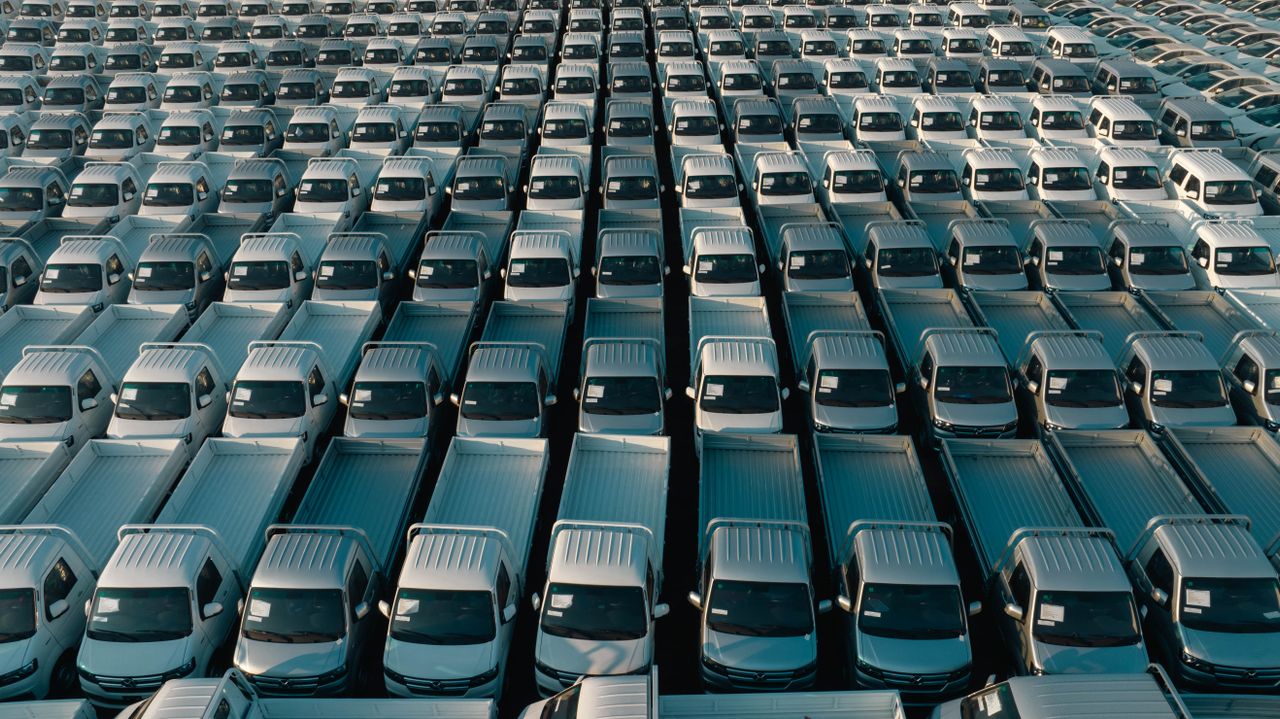
Effective management of the company’s fleet is not limited to the use of the organization’s vehicles. The costs of fuel, vehicle performance, maintenance needs, and productivity of operations should be considered as well. The growing number of vehicles requires businesses to use innovative approaches for the management of fuel consumption and fleet operations to assist the business’s growth. Thus, efficient fleet management allows for optimal resource management and business development.
Another critical issue associated with fleet management practices involves the use of established fleet management solutions that would contribute to increased insight into fuel consumption and car efficiency. This allows us to understand how specific technologies work in terms of improving business operations and helping companies become more efficient and cost-effective.
Modern Fleet Management Solutions
Fleet management solutions enable observation of the fleet from different angles, including vehicle performance, fleet maintenance, fuel consumption, and others. The utilization of such solutions may be beneficial as they allow observing fleet management.
Modern technologies allow organizations to use innovative solutions for managing the fleet. For example, GPS tracking and other options can be used for fleet management effectively.
Importance of Fuel Efficiency in Fleet Operations
The main cost for businesses that have fleets in their operations is often the high fuel consumption. Increased fuel efficiency helps reduce the costs incurred while getting the optimum benefit from the mileage of the vehicle(s).
Better fuel efficiency not only results in cost savings but also reduces wear and tear as well as environmental impact. Small amounts of money saved on fuel consumption can mean a huge gain for fleet owners in the future.
Features of an Ideal Fleet Management Solution
For a fleet management solution to be effective, it must have characteristics that allow for easier and more efficient management of all fleet activities. Several characteristics in these solutions make it easy to do things right.
Examples of such characteristics include:
- GPS tracking
- Fuel tracking and reports
- Maintenance management
- Driver performance tracking
- Route planning
- Notifications and alerts
Through these services, companies can effectively manage their operations without incurring high costs.
Monitoring Vehicle Performance Using Telematics
Telematics refers to the integration of telecommunications technologies and vehicle-based data systems to ensure real-time access to data on fleet activity. The use of this technology allows for efficient analysis of vehicle performance and identification of potential problems by means of monitoring vehicles directly.
Telematics can be very helpful in identifying problems that might become serious later and preventing them.
Fuel Consumption Monitoring Tools
One more way to monitor fleet activity is the possibility to track how much fuel each vehicle consumes. Thanks to special reporting tools, it is possible to get access to relevant data.
Analysis of these reports provides valuable data for identifying problems, evaluating performance, and finding solutions that could result in savings.
Methods of Route Optimization to Save Fuel
Routing optimization minimizes unnecessary mileage and saves fuel by finding optimal routes. Modern software analyzes traffic data, delivery schedules, and vehicle locations to plan optimal routes.
Among the advantages of routing optimization, there are:
- Savings on fuel
- Time savings
- Improved productivity
- Decrease in the wear of vehicles
- Better customer services
A small improvement in routing efficiency will result in great savings for the whole fleet.
Effect of Driver Behavior on Fuel Economy
Driver behavior greatly influences how much fuel is used up. The practice of excessive idling, abrupt starts, speeding, and other similar factors may lead to extra fuel consumption and increased wear of the vehicle.
There are some ways that fleet managers can adopt to teach drivers how to economize fuel.
Preventive Maintenance for Enhanced Fleet Efficiency
Performing preventive maintenance allows for the smooth operation of your vehicle. With regular checkups and maintenance, you can increase the chances of no surprise breakdowns, as well as keep optimal fuel efficiency for your car.
Some of the tasks associated with preventive maintenance include:
- Check tire pressure
- Change oil and fluids
- Inspect engine
- Replace air filters
- Maintain brake systems
All of the above can not only enhance the lifespan of a vehicle, but also improve performance.
Reducing Operational Expenses via Efficient Fuel Management
One way to lower costs is to manage fuel use. Effective fuel management allows you to decrease your costs on fuel significantly while maintaining good performance at work.
To achieve this, you need to combine the following steps:
- Tracking fuel consumption
- Optimizing routes
- Training drivers in effective fuel management
- Conducting preventive maintenance
This approach is proven to save money.
Controlling Fuel Thefts, Wastages, and Unauthorized Use
Theft, wastage, and unauthorized use of fuel have the potential of becoming very costly problems for any business organization. In most cases, even slight differences in fuel consumption could result in high expenses, and this could be detrimental to any company’s bottom line. It is imperative to take into consideration the measures that could be implemented so that such fuel problems do not become a major headache for the company’s operation.
There are various measures that have been utilized by many companies to minimize the effects of these fuel problems, which include the use of fuel cards, real-time monitoring, tracking of vehicles, automated reports on fuel utilization, and fuel audit services.
The Importance of Fuel Delivery Services
Fuel delivery services are known to be helpful in enhancing fuel efficiency at different companies. In contrast to asking drivers to go to a fuel station, such delivery services bring fuel straight to the vehicle. This results in minimized miles driven by drivers and helps avoid unnecessary idling, thus ensuring that fleets begin their workdays already fueled.
This makes companies more productive and ensures the minimization of fuel use related to any extra journeys and downtime. What is more, fuel delivery services that concentrate on helping companies to become more fuel efficient are known to share their expertise in this sphere.

Disclaimer: Guest Posts don’t reflect the views and opinions of Crankshaft Culture. Articles include links to websites for products and services. Crankshaft Culture receives a monetary commission for each guest post.
Leave a Reply