
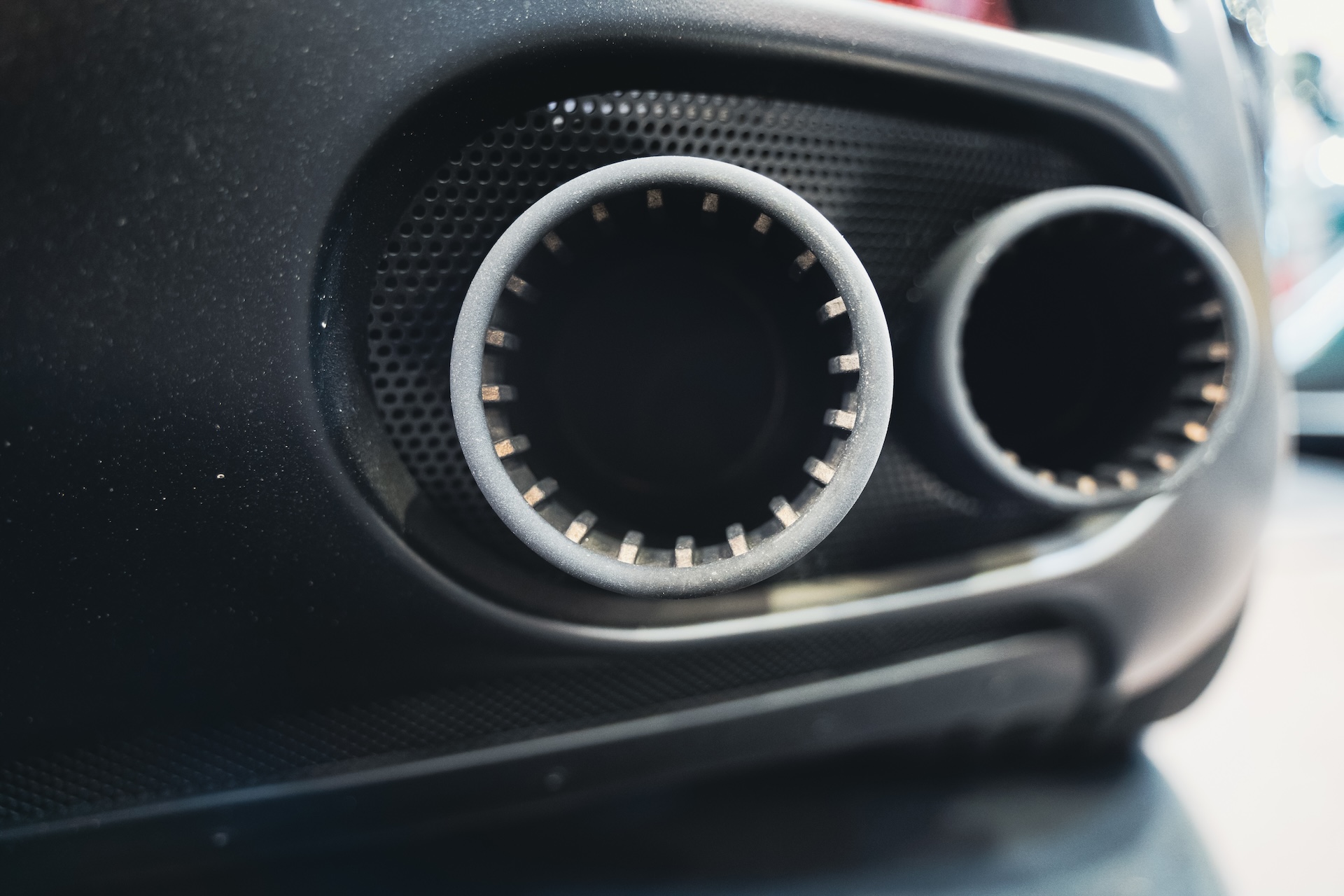
The Toyota 86 is one of those cars that almost begs for a better exhaust note. It is light, balanced, fun to drive and built for people who actually enjoy being behind the wheel. But from the factory, the exhaust can feel a little too quiet for some owners. That is why Toyota 86 exhausts are such a popular first upgrade.
Once you start looking, one of the first choices you will come across is cat-back vs axle-back. Both can change the way your 86 sounds and feels, but they are not the same thing. A cat-back system replaces more of the exhaust, while an axle-back is usually a simpler rear-section upgrade.
So, which is better? It depends on what you want from the car. Sound, budget, performance, installation, legality and daily comfort all play a part.
What Is an Axle-Back Exhaust?
An axle-back exhaust replaces the rear section of the exhaust system, usually from around the rear axle to the exhaust tips. On a Toyota 86, this generally means replacing the muffler section and tips while leaving the mid-pipe, front pipe, catalytic converters and headers untouched.
This makes an axle-back one of the simpler exhaust upgrades. It is popular with owners who mainly want a better exhaust note and improved rear-end appearance without changing too much of the factory system.
For many drivers, an axle-back is the first step because it gives the car more character without being too expensive or too involved.
What Is a Cat-Back Exhaust?
A cat-back exhaust replaces the exhaust system from the catalytic converter area back to the rear of the car. On most Toyota 86 setups, this usually includes the mid-pipe and rear muffler section, depending on the brand and design.
Because a cat-back replaces more of the system, it can have a bigger impact on sound and flow than an axle-back. It may also be lighter than the factory exhaust, depending on the materials used.
Cat-back systems are popular with owners who want a more complete upgrade while still keeping the factory headers and catalytic converter setup intact.
The Biggest Difference Is Sound
For most Toyota 86 owners, sound is the main reason to upgrade the exhaust. The factory system is polite and quiet, which is fine for commuting, but it does not always match the sporty feel of the car.
An axle-back usually gives a noticeable change in tone without becoming too dramatic. Depending on the design, it can add a deeper note, more presence at idle and a better sound under acceleration. It is a good option if you want the car to sound more enjoyable but still comfortable for daily driving.
A cat-back usually delivers a bigger change. Because it replaces more pipework, it can produce a louder, fuller and more aggressive sound. This can make the car feel more exciting, especially when revving through the gears.
However, louder is not always better. Some cat-back systems can introduce drone at highway speeds, depending on the design. If your 86 is a daily driver, this is something to take seriously.
Which Gives Better Performance?
The Toyota 86 is not a car that suddenly gains huge power from a simple rear exhaust upgrade. An axle-back may slightly improve flow at the rear, but it is mostly a sound and appearance upgrade.
A cat-back can offer better flow than an axle-back because it replaces more of the system. You may notice a small improvement in response, especially when paired with other supporting modifications. But on its own, the performance gain is usually modest.
If your main goal is power, you will need to think about the whole setup. Headers, tuning, intake changes and other supporting upgrades will usually make a bigger difference than an axle-back alone.
That said, a good cat-back can still be a worthwhile part of a broader build. It can improve sound, reduce weight and support future modifications.
Daily Driving Comfort
This is where many owners need to be honest with themselves. A loud exhaust can be fun for a weekend drive, but it can become tiring if you commute every day, sit in traffic or do long highway trips.
An axle-back is often the safer choice for daily comfort. It gives the car more personality without always becoming too loud inside the cabin. For many owners, that balance is exactly what they want.
A cat-back can still be daily friendly, but it depends heavily on the system. Some are designed to be refined, with a deeper tone and minimal drone. Others are much louder and more aggressive.
Before buying, listen to sound clips if possible, but remember that videos do not always show cabin noise accurately. What sounds good for 20 seconds online may feel very different on a two-hour freeway drive.
Appearance and Exhaust Tips
Both axle-back and cat-back systems can improve the look of the rear of the car. Larger or better-designed tips can make the Toyota 86 look more finished, especially if the factory tips feel too small or plain.
An axle-back is often enough if appearance is one of your main priorities. Since the rear muffler and tips are the visible parts, you can improve the look without replacing the full system.
A cat-back can also look great, but much of the upgrade is hidden underneath the car. The real benefit is in the sound, flow and overall system design.
Installation and Cost
Axle-back exhausts are usually cheaper and easier to install. Because they only replace the rear section, installation is generally more straightforward and may take less time. This makes them a good option if you want a simple upgrade without spending too much.
Cat-back exhausts usually cost more because they include more components. Installation can also take longer, though it is still a fairly common and manageable job for a workshop familiar with Toyota 86 exhausts.
If budget is a major factor, an axle-back may be the better starting point. If you already know you want a more complete system, going straight to a cat-back may save you from upgrading twice.
Weight Savings
Some aftermarket exhausts are lighter than the factory system, especially if they use stainless steel or titanium construction. A cat-back generally has more potential for weight reduction because it replaces more of the exhaust.
An axle-back can still reduce weight, particularly if the factory rear muffler is heavy, but the difference may be smaller.
For most street-driven Toyota 86 owners, weight savings are a nice bonus rather than the main reason to upgrade. But for track-focused builds, every bit can help.
Future Modifications
If you plan to keep the car mostly stock, an axle-back may give you all the sound and style you want. It is simple, affordable and easy to live with.
If you plan to add headers, tune the car or build a more performance-focused setup, a cat-back may be the better long-term choice. It gives you a more complete exhaust foundation and may pair better with other upgrades later.
Just keep in mind that adding headers or removing restrictions can make the car much louder. A cat-back that sounds perfect on a stock car may become too loud once other parts are changed.
Legal and Noise Considerations
Before buying any exhaust, it is worth thinking about local noise rules and roadworthiness requirements. Some systems are designed for street use, while others may be intended for track or off-road use only.
A very loud exhaust can attract unwanted attention and may become a problem during inspections, roadside checks or daily use in quiet suburbs. This is especially relevant if the car is driven early in the morning, late at night or through residential areas.
A good exhaust should improve the sound without making the car annoying to live with.
Make the Right Choice for Your 86
There is no single best option for every Toyota 86 owner. The right choice depends on your budget, sound preference, driving habits and future plans for the car.
If you want a modest improvement and easy daily comfort, an axle-back is a smart place to start. If you want a fuller sound and a more complete setup, a cat-back may be worth the extra spend.
When comparing Toyota 86 exhaust options, do not just look for the loudest system. Look for the one that suits how you actually drive. A good exhaust should make your 86 more enjoyable every time you start it, without ruining the balance that makes the car so fun in the first place.

Disclaimer: Guest Posts don’t reflect the views and opinions of Crankshaft Culture. Articles include links to websites for products and services. Crankshaft Culture receives a monetary commission for each guest post.
Leave a Reply