
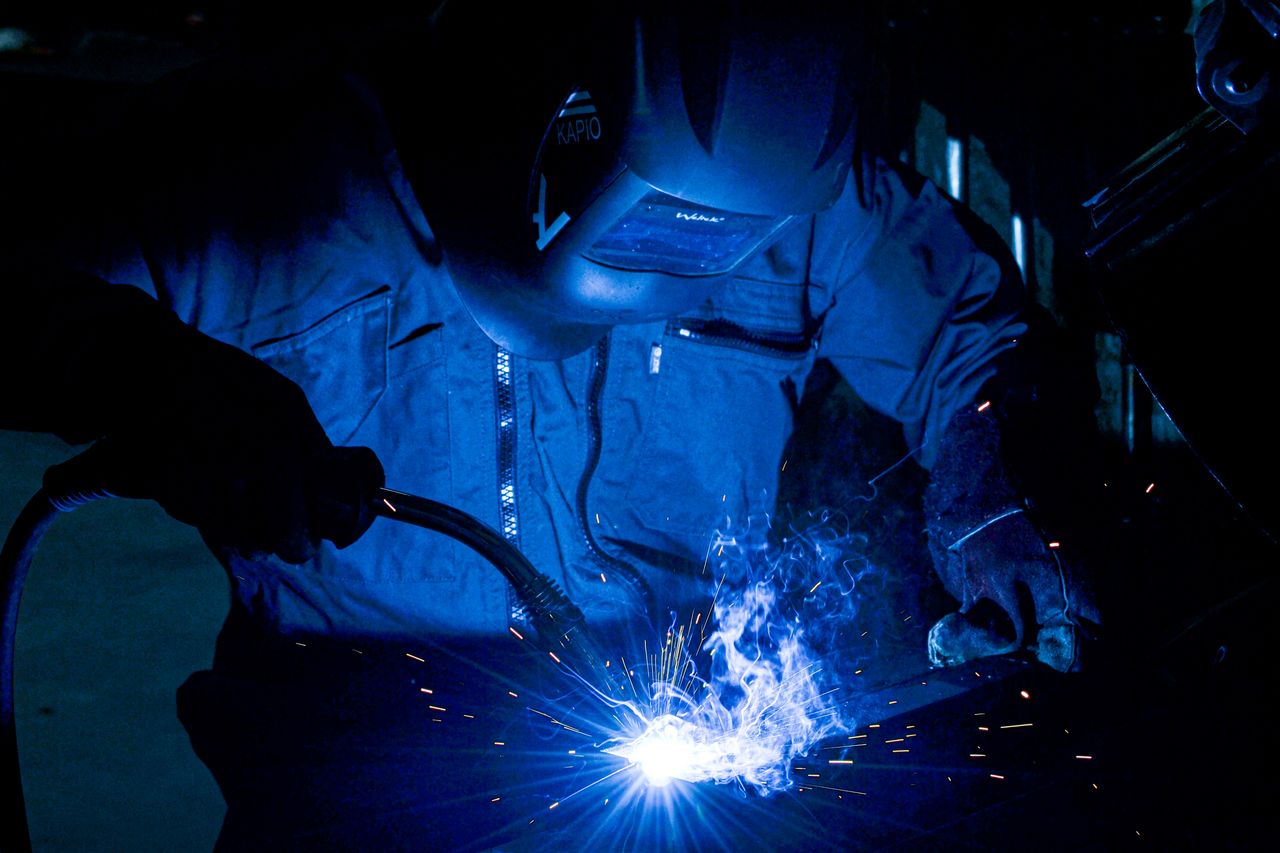
Automotive fabrication is where creativity meets engineering. Whether building a custom hot rod, restoring a classic muscle car, or modifying an off-road vehicle, fabrication work demands attention to detail at every stage. The difference between a project that performs flawlessly and one that develops ongoing issues often comes down to precision.
For automotive enthusiasts, fabricators, and restoration specialists, precision is more than a desirable trait—it is a necessity. Every cut, weld, measurement, and component placement influences the safety, durability, appearance, and performance of the finished vehicle. In a world where custom builds continue to grow in popularity, understanding the role of precision has never been more important.
The Foundation Of Successful Automotive Fabrication
Every automotive fabrication project begins with a vision. Some builders want to recreate a vehicle’s original glory, while others seek to create something entirely unique. Regardless of the goal, achieving a high-quality result requires a solid foundation built on accurate planning and execution.
Fabrication often involves modifying existing structures, creating custom components, or replacing damaged sections of a vehicle. Even small measurement errors can create significant problems later in the build process. A bracket positioned slightly out of place can affect alignment. A frame modification completed without careful measurements can compromise vehicle handling.
Precision allows builders to ensure that every component works together as intended. It minimizes rework, reduces waste, and helps maintain the vehicle’s structural integrity.
Why Accurate Measurements Matter
One of the most important aspects of automotive fabrication is measurement. Fabricators routinely work with complex dimensions and tight tolerances. Whether creating custom exhaust systems, roll cages, suspension mounts, or body panels, accurate measurements are essential.
A poorly measured component may fit incorrectly, creating stress points or causing interference with surrounding parts. These issues can lead to vibration, premature wear, or even safety concerns.
Professional fabricators often follow the principle of measuring multiple times before making a single cut. This approach saves time in the long run and helps ensure consistency throughout the project.
When multiple custom components must fit together seamlessly, precision measurement becomes even more critical. Every fraction of an inch matters when working with performance-oriented vehicles.
The Critical Role Of Welding Precision
Welding is one of the most important skills in automotive fabrication. Strong welds hold critical vehicle components together, including frames, suspension systems, chassis reinforcements, and custom modifications.
A weld that appears acceptable from a distance may contain defects that compromise its strength. Poor penetration, contamination, uneven bead placement, or excessive heat can weaken the finished structure.
Precision welding involves maintaining consistent technique while carefully controlling heat, positioning, and travel speed. Every weld should contribute to the strength and durability of the build.
This is particularly important for performance vehicles, race cars, and off-road builds that experience significant stress during operation. Even a minor flaw can become a major problem when subjected to repeated vibration or high loads.
Visibility Is Essential For Quality Welds
One often overlooked aspect of fabrication precision is visibility. Fabricators cannot produce accurate welds if they cannot clearly see their work area.
Modern welding technology has dramatically improved visibility and control. Auto-darkening lenses help welders maintain a clear view of their work before, during, and after arc initiation. This allows for better weld placement, improved consistency, and greater confidence throughout the welding process.
Many experienced fabricators invest in quality equipment because clear vision directly affects weld quality. Products from Ridge Products Welding are designed to help welders maintain visibility while protecting their eyes from harmful light exposure. High-quality lenses can contribute to greater accuracy and comfort during long fabrication sessions.
Improved visibility not only enhances weld quality but also reduces fatigue, helping fabricators maintain precision throughout an entire project.
Safety And Precision Go Hand In Hand
Safety and precision are closely connected in automotive fabrication. A safe work environment allows fabricators to focus fully on their tasks without unnecessary distractions.
Protective equipment such as welding helmets, gloves, eye protection, respirators, and hearing protection plays a critical role in maintaining both safety and productivity. When workers feel protected, they can concentrate on producing accurate, consistent work.
Safety is especially important during welding operations. Exposure to intense light, sparks, heat, and airborne particles can pose serious risks. Proper protective equipment helps reduce these hazards while supporting better workmanship.
Precision also contributes to safety in the finished vehicle. Properly fabricated suspension components, reinforced chassis structures, and correctly installed safety equipment can make a significant difference in vehicle performance and occupant protection.
Restoring Classic Cars Requires Exceptional Attention To Detail
Automotive restoration presents unique fabrication challenges. Unlike new construction projects, restorations often involve repairing decades-old components that may have suffered corrosion, fatigue, or previous modifications.
Classic car enthusiasts frequently face situations where replacement parts are unavailable. In these cases, fabricators must create custom panels, brackets, and structural components from scratch.
Matching original dimensions and preserving historical accuracy require exceptional precision. Small mistakes can affect fitment, appearance, and authenticity.
Successful restorations rely on patience and craftsmanship. Every repair must blend seamlessly with the original vehicle while maintaining structural strength and reliability.
For many enthusiasts, the satisfaction of restoring a vehicle lies in preserving its character while ensuring it remains safe and functional for modern driving conditions.
Precision Enhances Vehicle Performance
Performance-oriented builds demand even higher levels of fabrication accuracy. Custom suspension systems, roll cages, engine mounts, and aerodynamic modifications all require careful planning and execution.
A misaligned suspension component can negatively affect handling. Improper weight distribution can reduce performance. Inaccurate fabrication may limit the effectiveness of expensive upgrades.
Precision helps maximize the performance potential of every modification. It ensures that components function as designed and work together efficiently.
Many race teams and professional builders devote significant time to measurement, testing, and refinement because they understand that small improvements can produce meaningful results on the track.
Even for street-driven vehicles, precise fabrication contributes to improved reliability, drivability, and overall owner satisfaction.
The Value Of Quality Tools And Equipment
Precision fabrication depends heavily on the tools used throughout the process. While skill remains the most important factor, quality equipment can significantly improve accuracy and consistency.
Reliable measuring tools, welding equipment, cutting systems, and safety gear help fabricators achieve better results while minimizing errors. Investing in quality tools often pays for itself through improved efficiency and reduced rework.
Modern fabrication technology continues to evolve, providing builders with greater control and accuracy than ever before. Digital measuring systems, plasma cutters, CNC equipment, and advanced welding accessories have transformed the industry.
However, even with advanced technology, the fundamental principles remain unchanged. Careful planning, attention to detail, and a commitment to quality continue to define successful fabrication projects.
Building Better Vehicles Through Precision
Automotive fabrication combines technical skill, creativity, and craftsmanship. Whether restoring a beloved classic, building a custom show car, or preparing a vehicle for competition, precision remains the foundation of success.
Accurate measurements, quality welding, proper visibility, and a strong commitment to safety all contribute to better outcomes. Each step in the fabrication process affects the finished vehicle’s appearance, performance, durability, and safety.
As automotive enthusiasts continue to push the boundaries of customization and restoration, precision will remain one of the most valuable tools available. The most impressive builds are rarely the result of luck. They are the product of careful planning, skilled execution, and an unwavering dedication to getting every detail right.

Disclaimer: Guest Posts don’t reflect the views and opinions of Crankshaft Culture. Articles include links to websites for products and services. Crankshaft Culture receives a monetary commission for each guest post.
Leave a Reply