
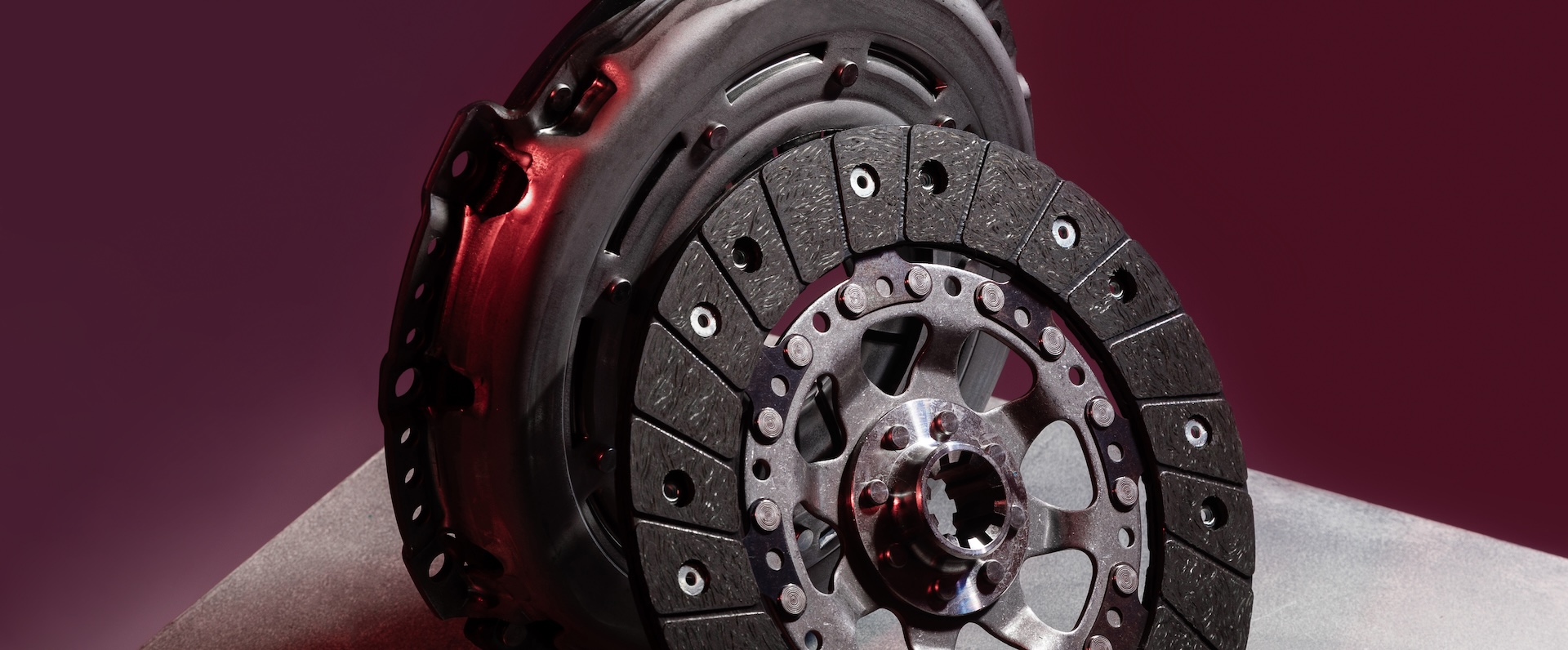
Choosing the right clutch can be confusing, especially when you start comparing OEM replacement options with performance upgrades. If your current clutch is slipping, shuddering, struggling under load or simply worn out, you may be wondering whether to replace it with something similar to factory spec or step up to a stronger performance clutch.
Exedy clutches are available in both OEM-style replacement options and performance ranges, and the right choice depends on how the vehicle is used. A daily commuter, towing vehicle, weekend 4WD, modified turbo car and track-focused build may all need different clutch characteristics.
The best clutch is not always the strongest one. It is the one that suits your engine output, driving style, comfort expectations and future plans for the vehicle.
What Is an OEM Clutch?
OEM stands for Original Equipment Manufacturer. In simple terms, an OEM-style clutch is designed to perform like the clutch your vehicle came with from the factory.
An Exedy OEM replacement clutch is usually built to suit normal road use. It is made for smooth engagement, easy pedal feel, reliable operation and comfortable everyday driving.
For most standard vehicles, an OEM-style clutch is exactly what is needed. It restores the vehicle to the way it was intended to drive without making the pedal heavier or the engagement more aggressive.
What Is a Performance Clutch?
A performance clutch is designed to handle more demanding conditions than a standard replacement clutch. This might include increased engine torque, towing, off-road use, motorsport, hard launches, spirited driving or modified engines.
Performance clutches may use different friction materials, stronger pressure plates or upgraded designs to increase torque capacity. Depending on the model, they may feel similar to factory or noticeably more aggressive.
The purpose of a performance clutch is not just to replace a worn part. It is to improve the clutch’s ability to hold power and cope with tougher use.
The Main Difference Is Torque Capacity
One of the biggest differences between OEM and performance clutches is torque capacity.
A factory-style clutch is designed around the vehicle’s standard power and torque output, with some allowance for normal driving conditions. If the engine is stock and the vehicle is not regularly used for heavy towing or hard driving, this is usually enough.
A performance clutch is designed to hold more torque. This becomes important when the engine has been modified with upgrades such as a tune, turbo changes, exhaust, intercooler, injectors or other power increases.
If the clutch cannot hold the torque the engine produces, it may slip under load. This can happen during hard acceleration, towing, hill climbs or high-gear pulls.
Pedal Feel Can Be Different
An OEM-style clutch usually has a lighter pedal feel because it is designed for daily comfort. This matters if you spend a lot of time in traffic or use the car as a commuter.
Some performance clutches can feel heavier, especially if they use a higher clamp-load pressure plate. A heavier pedal is not necessarily a problem, but it can become tiring in stop-start driving.
Not all performance clutches are harsh, though. Some are designed to offer increased holding power while still maintaining a manageable pedal feel. The key is choosing the right level of performance for the vehicle rather than jumping straight to the most aggressive option.
Engagement Can Be Smoother or Sharper
OEM clutches are usually designed to engage smoothly. This makes the vehicle easier to drive, especially when reversing, parking, taking off on hills or crawling in traffic.
Performance clutches may engage more sharply, depending on the friction material and design. Some still feel quite street-friendly, while others are more abrupt.
A very aggressive clutch may be fine for track use but annoying in daily driving. It may make the vehicle harder to move smoothly at low speeds and less forgiving for casual driving.
This is why it is important to be honest about how the car is used most of the time.
Friction Material Matters
Clutch friction material has a big impact on how the clutch performs and feels.
OEM-style clutches generally use organic friction material. This is smooth, quiet and suitable for everyday driving. It offers good drivability but has limits when exposed to high torque, heat or heavy abuse.
Performance clutches may use upgraded organic, ceramic, button-style or other higher-friction materials. These can provide better holding power and heat resistance, but may be less smooth or less forgiving.
A full-face organic performance clutch can be a good middle ground for many street cars. A ceramic button clutch may suit more serious performance use, but it can be harsher in normal driving.
Heat Resistance Is Another Factor
Clutches generate heat when they slip during engagement. In normal driving, this is expected and manageable. But hard launches, repeated aggressive driving, towing, off-road crawling or track use can create more heat.
An OEM-style clutch may struggle if it is repeatedly exposed to high heat. Over time, this can lead to slipping, glazing, shudder or premature wear.
A performance clutch is often better suited to high-heat situations. This is one reason modified vehicles, tow vehicles and motorsport cars may benefit from an upgrade.
Daily Driving Comfort
For a daily driver, comfort matters. A clutch that is too aggressive can make the car less enjoyable, even if it technically performs well.
If the vehicle is mostly used for commuting, school runs, shopping, highway driving or normal road use, an OEM-style Exedy clutch may be the smarter choice. It should provide reliable performance without changing the character of the vehicle too much.
A performance clutch may still be suitable for a daily driver if the vehicle has more power than standard or needs extra holding capacity. But the clutch should be chosen carefully to avoid making everyday driving harder than it needs to be.
Modified Vehicles Need More Careful Selection
If your vehicle has been modified, replacing the clutch with a standard unit may not be enough. Even basic performance upgrades can increase torque beyond what the original clutch was designed to handle.
This is especially common in turbocharged cars, tuned diesels and vehicles used for towing or 4WD work. The engine may feel great after modification, but the factory clutch can become the weak point.
In this situation, performance Exedy clutches may be worth considering. The right option should be matched to the vehicle’s torque output and intended use, not just the model name.
Towing and 4WD Use
Towing and 4WD driving place extra load on a clutch. Moving heavy trailers, climbing steep tracks, driving through sand, reversing caravans and slow-speed off-road work can all generate heat and stress.
For a standard vehicle used occasionally for light towing, an OEM replacement may be fine. But for heavier towing or regular off-road use, an upgraded clutch may provide better durability and confidence.
The goal is to choose a clutch that can handle the load without becoming unpleasant to drive.
Motorsport and Track Use
For motorsport or track driving, clutch demands are very different from normal road use. High-RPM launches, fast shifts, heat and aggressive driving can quickly expose the limits of an OEM-style clutch.
Performance clutches designed for motorsport may offer much higher holding power and heat resistance, but they can be harsher, noisier or more difficult to use on the street.
A clutch that suits a track car may be a poor choice for a car that spends most of its life in traffic. Purpose matters.
Stronger Is Not Always Better
One of the most common mistakes is assuming the strongest clutch is automatically the best choice. It is not.
An overly aggressive clutch can make the vehicle less comfortable, harder to control at low speed and less enjoyable to drive. It may also place additional stress on other driveline components.
A clutch should be strong enough for the vehicle’s output and use, but not unnecessarily aggressive. For many drivers, the best choice is a balanced clutch that offers improved holding power while still feeling manageable.
Installation Quality Is Critical
Even the best clutch can perform poorly if it is installed incorrectly. Correct fitment, alignment, torque settings, hydraulic checks and bedding-in procedures all matter.
It is also important to check related parts such as the release bearing, pilot bearing, clutch fork, slave cylinder, master cylinder and hydraulic lines where applicable.
A slipping or difficult clutch is not always caused by the clutch kit alone. The surrounding system must be in good condition for the new clutch to work properly.
Which One Should You Choose?
Choose an OEM-style clutch if your vehicle is close to standard, used mainly for normal road driving and you want smooth engagement with a factory-like feel.
Consider a performance clutch if your vehicle is modified, used for towing, driven hard, taken off-road regularly or showing signs that the standard clutch is not coping with the load.
The right choice depends on the balance between comfort and capacity. A daily driver needs a different clutch from a track car, and a lightly modified street car needs a different clutch from a heavily tuned build.
Final Thoughts
The difference between OEM and performance Exedy clutches comes down to purpose. OEM-style clutches are designed to restore smooth, reliable factory-like operation. Performance clutches are designed to handle extra torque, heat and harder use.
For many standard vehicles, an OEM replacement is the best and most comfortable option. For modified cars, tow vehicles, 4WDs and performance builds, an upgraded clutch may be the smarter long-term choice.

Disclaimer: Guest Posts don’t reflect the views and opinions of Crankshaft Culture. Articles include links to websites for products and services. Crankshaft Culture receives a monetary commission for each guest post.
Leave a Reply