
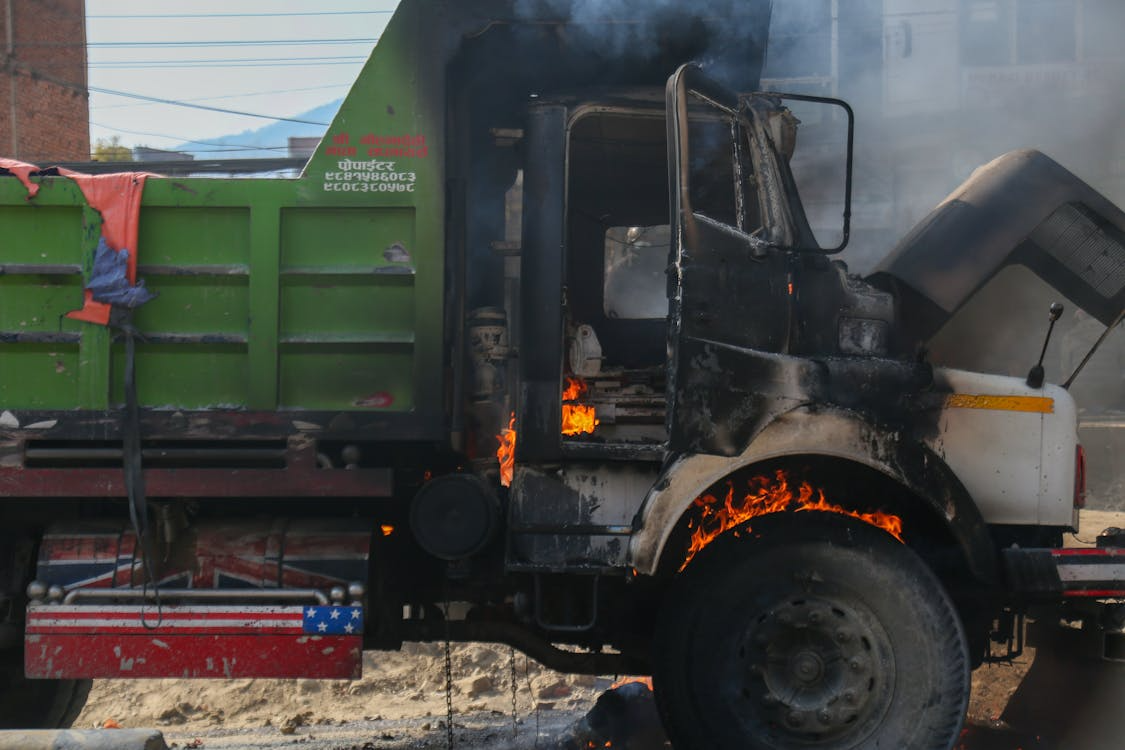
When a commercial truck collides with a passenger vehicle on Austin’s busy highways, the aftermath extends far beyond the immediate physical damage. According to the Federal Motor Carrier Safety Administration’s 2023 data, large truck crashes are 2.4 times more likely to result in fatalities than passenger car accidents — yet the legal and investigative challenges that follow create a maze of complexity that most accident victims never anticipate.
Austin’s position as a major transportation hub, with I-35 serving as a critical freight corridor between Mexico and Canada, means the city sees thousands of commercial vehicles daily. When accidents occur, they often involve multiple jurisdictions, federal regulations, corporate entities, and specialized evidence that standard car crash protocols simply can’t address. The stakes are higher, the timeline is longer, and the number of parties involved can multiply quickly.
For accident victims and their families, understanding why truck cases operate differently isn’t just academic — it directly impacts their ability to preserve evidence, meet crucial deadlines, and build a viable claim. The decisions made in the first 48 hours after a truck accident often determine whether the case will be straightforward or become a years-long legal battle involving corporate defense teams and federal oversight agencies.
Why Truck Accidents in Austin Are More Legally and Investigatively Complex
The fundamental difference between truck and car accident cases lies in the sheer scope of entities and regulations involved. When two passenger vehicles collide, you’re typically dealing with individual drivers, their insurance companies, and state traffic laws. A truck accident immediately expands this universe to include the trucking company, the freight broker who arranged the load, the shipper who loaded the cargo, the maintenance contractor who serviced the vehicle, and a web of federal regulations overseen by multiple agencies.
Austin’s geography amplifies these complications. Major trucking routes like I-35, Highway 183, and Loop 1 intersect with dense urban traffic, creating scenarios where a single truck accident can involve multiple vehicles, pedestrians, or infrastructure damage. The multi-jurisdictional nature becomes critical when the trucker is licensed in one state, the trucking company is headquartered in another, and the cargo originated from a third location — all while the accident occurred in Travis County, Texas.
The evidence preservation requirements alone dwarf those of typical car crashes. Federal law mandates that trucking companies maintain detailed logs of driver hours, vehicle maintenance records, GPS tracking data, and electronic control module information. This data can be automatically overwritten within days if not properly preserved through legal channels. Unlike a car accident where skid marks and vehicle damage tell most of the story, truck cases require immediate access to electronic logging device (ELD) data, cargo manifests, weigh station records, and driver qualification files that can disappear quickly without proper legal intervention.
The insurance complexity also escalates dramatically. While most passenger vehicles carry $30,000-$60,000 in liability coverage, commercial trucks typically carry $750,000 to $1 million or more. This higher coverage attracts more sophisticated defense strategies from insurance companies who understand that the financial exposure justifies aggressive litigation tactics. These insurers often deploy accident reconstruction teams and legal counsel within hours of a major crash — resources that far exceed what individual car accident victims typically encounter.
How Texas Laws Shape Truck Accident Liability and Claims
Texas operates under a modified comparative fault system that becomes particularly complex in truck accident cases involving multiple parties. While this system applies to all vehicle accidents, truck cases typically involve a web of potential defendants where fault percentages must be allocated among the truck driver, trucking company, cargo loaders, maintenance providers, and other motorists. The 51% rule in Texas means that if a victim is found to be 51% or more at fault, they recover nothing — making the precise allocation of fault among multiple defendants crucial to any recovery.
The federal preemption issues create another layer of legal complexity unique to trucking cases. Federal Motor Carrier Safety Regulations (FMCSR) govern everything from driver qualification to vehicle maintenance standards, and these federal rules often supersede state laws. When a truck accident involves violations of federal regulations — such as hours-of-service violations or improper cargo securement — the legal analysis must navigate both Texas state law and federal transportation law. This dual regulatory framework requires specialized knowledge that general personal injury practice doesn’t typically encounter.
Corporate liability structures in the trucking industry add significant investigative challenges. Many trucking operations involve independent contractors, leased equipment, and complex corporate relationships designed to limit liability exposure. A truck bearing one company’s name might actually be owned by a second company, operated by an independent contractor, and carrying cargo for a third party under a fourth party’s shipping contract. Identifying the correct defendants and their insurance coverage requires corporate investigation that goes far beyond the typical car accident case.
Liability Factors and Comparative Fault in Truck Cases
The employer liability standards for trucking companies differ significantly from typical car accident scenarios. Under federal law, trucking companies can be held liable for their drivers’ actions not just during the scope of employment, but also for negligent hiring, training, supervision, and retention. If a trucking company hired a driver with a history of violations or failed to provide adequate training, the company faces direct liability separate from the driver’s actions.
Cargo-related liability introduces factors absent from passenger vehicle cases. Improperly loaded, overweight, or hazardous cargo can contribute to accidents in ways that shift fault analysis entirely. The party responsible for loading might bear liability for an accident caused by shifting cargo, while the shipper could face responsibility for providing inaccurate weight information. Texas courts have recognized that cargo securement violations can create liability for parties other than the driver, expanding the potential universe of defendants and complicating fault allocation.
The statutory violations available in truck cases provide additional avenues for establishing fault. Federal regulations create specific safety standards with no equivalent in passenger vehicle law. Violations of hours-of-service regulations, for example, can establish negligence per se — meaning the violation itself proves negligence without requiring additional proof of unreasonable conduct. This regulatory framework gives truck accident victims legal tools unavailable in typical car crash cases.
Important Legal Deadlines and Victims’ Rights in Austin
Texas’s two-year statute of limitations for personal injury claims applies to truck accidents, but the complexity of truck cases makes this deadline more challenging to meet. The extensive investigation required — including corporate discovery, federal records requests, and expert analysis — means that victims who wait months to seek legal counsel may find insufficient time to build a comprehensive case.
Federal preservation requirements create unique early deadlines. Trucking companies must preserve evidence when they know or should know that litigation is likely, but this obligation isn’t self-executing. Formal preservation letters must often be sent within days of an accident to prevent destruction of electronic data, maintenance records, and driver logs. Missing these early preservation deadlines can result in permanent loss of crucial evidence.
Austin truck accident victims have enhanced discovery rights under federal law that don’t exist in typical car cases. The Federal Motor Carrier Safety Regulations require trucking companies to maintain extensive records that must be produced during litigation. These include driver qualification files, vehicle inspection records, drug and alcohol testing results, and company safety ratings. However, accessing these records requires understanding the federal regulatory framework and knowing specifically what to request — knowledge that general practice attorneys may lack.
How Investigations Establish Fault in Austin Truck Accidents
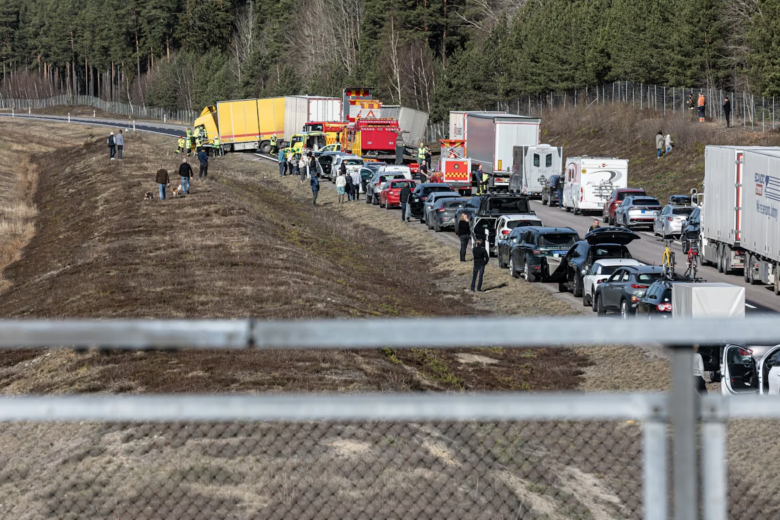
Truck accident investigations operate on multiple levels simultaneously, beginning with immediate scene preservation that goes far beyond typical car crash protocols. Within hours of a serious truck accident, investigators must secure the vehicle’s Electronic Control Module (ECM) data, which records vehicle speed, braking, engine performance, and other critical metrics in the seconds leading up to impact. This data can be overwritten during normal vehicle operation, making immediate preservation essential.
The regulatory compliance analysis represents perhaps the most significant difference from car accident investigations. Federal Motor Carrier Safety Regulations create dozens of specific requirements for driver qualifications, vehicle maintenance, cargo securement, and operational procedures. Investigators must examine whether violations of these regulations contributed to the accident. For example, hours-of-service violations require analysis of Electronic Logging Device (ELD) data, duty status records, and potentially months of prior driving records to establish patterns of regulatory non-compliance.
Corporate investigation becomes crucial when determining which entities bear responsibility. Trucking operations often involve complex relationships between truck owners, operators, brokers, and shippers. Investigators must trace corporate ownership structures, examine leasing agreements, and review broker-carrier contracts to identify all potentially liable parties. This process can reveal that the company name displayed on the truck differs from the actual employer, owner, or entity responsible for safety compliance.
The reconstruction methodology for truck accidents requires specialized expertise due to the physics involved. Commercial trucks can weigh up to 80,000 pounds when loaded, compared to passenger vehicles typically weighing 3,000-4,000 pounds. The momentum, braking distances, and crash dynamics differ dramatically, requiring accident reconstruction experts with specific training in commercial vehicle physics. Standard car accident reconstruction methods simply don’t apply to scenarios involving such significant mass and size differentials.
Evidence preservation extends to multiple data sources unique to commercial trucking. GPS tracking systems, fleet management software, maintenance databases, and driver monitoring systems all generate records that can establish fault or negligence. Unlike passenger vehicles where the evidence is primarily physical, truck accidents generate vast amounts of electronic data housed across multiple systems and locations. Accessing this information requires understanding where different types of data are stored and how long they’re retained.
Driver fitness and compliance records provide another investigative avenue unavailable in typical car cases. Commercial drivers must maintain medical certification, submit to regular drug and alcohol testing, and meet ongoing training requirements. Violations of these requirements can establish employer negligence and driver unfitness. Austin truck accident victims support often prove crucial in navigating these complex investigations, as the process requires coordination between legal teams, technical experts, and regulatory specialists who understand the intersection of federal transportation law and Texas personal injury principles.
Common Causes of Truck Accidents and Types of Injuries in Austin
Driver fatigue remains the leading factor in Austin truck accidents, but its legal implications extend far beyond simple negligence. Federal hours-of-service regulations limit commercial drivers to 14 hours of duty time and 11 hours of driving within that period, with mandatory rest breaks. However, Electronic Logging Device (ELD) data often reveals drivers who push these limits or trucking companies that create incentive structures encouraging regulatory violations. The medical consequences of fatigue-related accidents tend to be severe due to the delayed reaction times and high speeds typically involved.
Mechanical failures in truck accidents create liability chains that don’t exist in passenger vehicle cases. When brake failure causes an accident, the investigation must examine maintenance records, manufacturer defects, and compliance with federal inspection requirements. Trucking companies must conduct pre-trip inspections, maintain detailed service records, and address mechanical issues promptly. Failure to meet these obligations can establish corporate negligence separate from driver actions, often resulting in larger damage awards due to the company’s deeper insurance coverage.
Austin’s weather-related challenges affect truck operations differently than passenger vehicles. Commercial trucks have longer stopping distances in wet conditions, are more susceptible to wind effects due to their profile, and face cargo securement challenges during temperature changes. Interstate 35’s elevation changes and exposure to crosswinds create specific hazard zones where truck accidents cluster. The legal analysis must consider whether drivers adjusted their operations appropriately for conditions and whether companies provided adequate weather-related training.
The injury patterns in truck accidents typically involve multiple trauma systems due to the force differential. Traumatic brain injuries, spinal cord damage, and crushing injuries occur at rates far exceeding typical car accidents. These injuries require specialized medical treatment, longer recovery periods, and often result in permanent disability. The medical complexity translates directly into legal complexity, as establishing future care costs and disability impacts requires extensive expert testimony and life-care planning.
Multi-vehicle scenarios frequently develop when truck accidents occur on Austin’s busy highways. A single truck losing control can impact multiple passenger vehicles, creating complex liability scenarios where each victim may have different injury profiles and damage claims. The investigation must establish the sequence of events, determine primary and contributing causes, and allocate fault among multiple parties while ensuring that each victim’s specific damages are properly documented and presented.
Claims Process and Case Duration Factors in Austin Truck Accidents
The timeline complexity in truck accident cases often surprises victims accustomed to typical car accident resolution periods. While passenger vehicle claims might resolve within months, truck cases frequently require 18-24 months or longer due to the investigation requirements, multiple party coordination, and federal regulatory compliance issues. The discovery process alone can take six months when it involves corporate records from multiple jurisdictions and federal agency oversight.
Insurance claim challenges multiply when dealing with commercial trucking policies. Coverage limits of $750,000 to $5 million or more mean that insurance companies assign experienced defense counsel and claims specialists who understand the high stakes involved. These companies often dispute coverage issues, argue federal preemption defenses, and challenge state court jurisdiction — tactics rarely seen in typical car accident claims. The complexity requires legal representation familiar with commercial insurance practices and federal transportation regulations.
Settlement negotiation dynamics change dramatically when multiple defendants with different insurance carriers are involved. A trucking company, independent contractor driver, maintenance provider, and cargo shipper might all carry separate insurance policies with different coverage limits and different legal positions. Coordinating settlements among multiple parties requires sophisticated legal strategy and often involves federal court jurisdiction where specialized procedures govern multi-defendant transportation cases.
The intersection of federal oversight, corporate liability structures, and severe injury consequences means that truck accident victims face challenges that extend far beyond the immediate aftermath of their collision. Success in these cases depends on understanding from the outset that truck accidents operate in a different legal universe — one where the first 48 hours often determine whether crucial evidence will be available months later when the case reaches resolution.

Disclaimer: Guest Posts don’t reflect the views and opinions of Crankshaft Culture. Articles include links to websites for products and services. Crankshaft Culture receives a monetary commission for each guest post.
Leave a Reply