
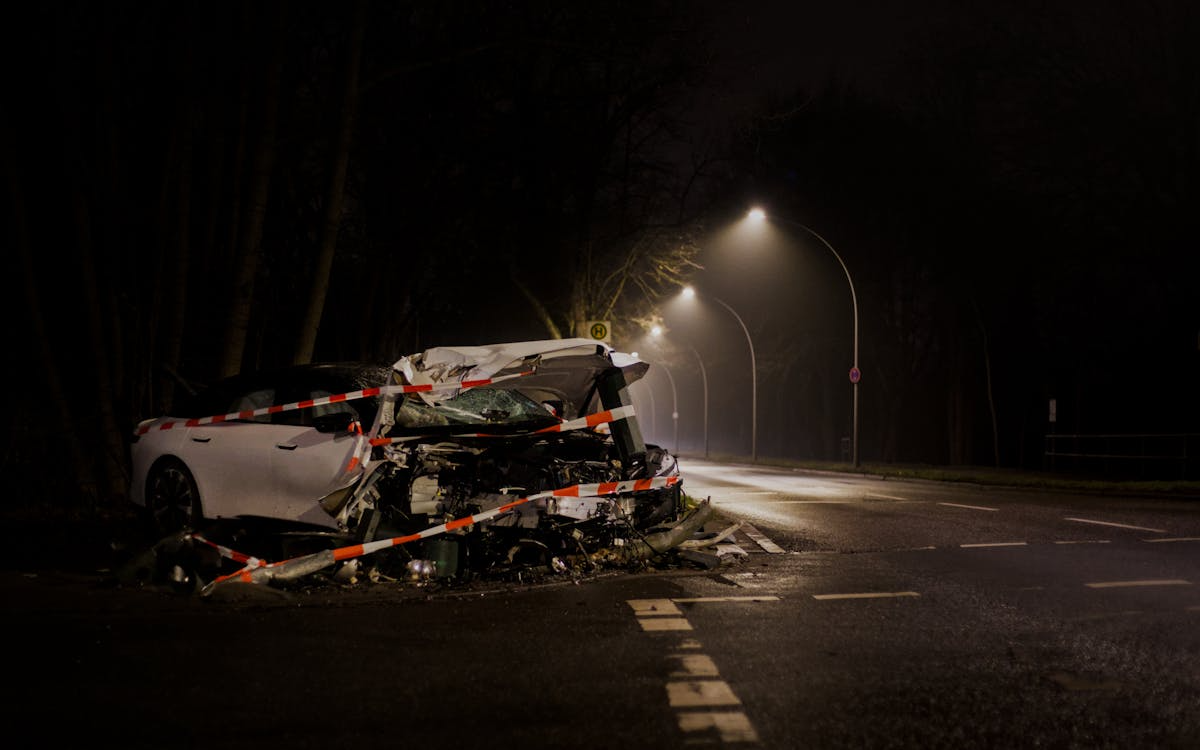
According to the Pennsylvania Department of Transportation’s 2023 crash data, Bucks County recorded over 6,200 traffic accidents last year — roughly 17 crashes per day across the county’s suburban corridors and rural highways. While that statistic represents the broader picture, each individual accident creates an immediate crisis where the decisions made in the first thirty minutes often determine outcomes for months or years ahead. Between coordinating with emergency responders, documenting evidence before it disappears, and protecting legal rights while potentially injured or shaken, accident victims face a complex sequence of time-sensitive actions.
The challenge becomes even more acute in Bucks County’s mixed landscape of busy commercial strips like Route 1 and winding back roads where cell service can be spotty. Unlike urban areas with constant foot traffic, many accidents here occur in isolated locations where help isn’t immediately visible. Meanwhile, Pennsylvania’s specific insurance laws and the county’s proximity to both Philadelphia and New Jersey create jurisdictional complexities that can complicate claims if not handled correctly from the start.
For anyone who finds themselves in this situation, understanding the immediate priorities — from safety protocols to evidence preservation — can prevent minor accidents from becoming major legal and financial complications. The steps you take in those crucial first moments set the foundation for everything that follows.
What Are the First Steps to Take After a Car Accident?
The immediate aftermath of a collision creates a narrow window where your actions directly impact both safety and legal outcomes. Your first priority is always scene safety — if vehicles are blocking traffic and can be moved without causing additional injury, move them to the shoulder or nearest safe location. Turn on hazard lights immediately, even before assessing damage or injuries.
Call 911 without hesitation if anyone reports pain, dizziness, or discomfort — even symptoms that seem minor. Emergency responders in Bucks County are trained to identify injuries that victims often don’t initially recognize, particularly soft tissue damage that manifests hours later. The responding officer will also generate a police report, which becomes crucial documentation for insurance claims and potential legal proceedings.
While waiting for emergency services, begin documenting the scene if you’re physically able. Take photos from multiple angles showing vehicle positions, damage, skid marks, traffic signals, and street signs. Capture the broader context — road conditions, weather, nearby construction zones, or visibility obstructions. These details often prove critical later when reconstructing what happened.
Exchange information with the other driver, including full names, insurance companies, policy numbers, driver’s license numbers, and vehicle registration details. However, avoid discussing fault or making statements beyond basic facts — “I was traveling south on Route 413” rather than “I didn’t see the stop sign in time.” Insurance adjusters are trained to use these spontaneous admissions against claimants later.
If there are witnesses, politely ask for their contact information and a brief statement about what they observed. Witness accounts can be decisive in disputed liability cases, but witnesses often leave quickly, making this information irreplaceable if not collected immediately.
Finally, even if you feel fine, seek medical evaluation within 24-48 hours. Adrenaline masks symptoms of whiplash, concussion, and internal injuries that frequently surface days after the initial trauma. Establishing this medical documentation creates an unbroken timeline that insurance companies and courts recognize as credible evidence of accident-related injuries.
What Causes Car Accidents in Bucks County and What Do Statistics Show?
Bucks County’s accident patterns reflect its unique geographic and demographic characteristics, with distinct risk factors that differ markedly from urban centers or rural farming communities. The county’s suburban sprawl creates particular hazards — long stretches of commercial development punctuated by residential side streets, where drivers frequently misjudge turning gaps or fail to notice vehicles emerging from shopping centers and subdivisions.
Intersection accidents dominate local crash statistics, particularly along major corridors like Routes 1, 13, and 611 where traffic signals are spaced irregularly and sight lines are often compromised by commercial signage and landscaping. These crashes typically involve drivers who are familiar with the area but become complacent about timing lights, or visitors who underestimate the complexity of navigating unfamiliar intersection configurations.
Distracted driving incidents have surged in recent years, correlating with the county’s heavy commuter population. Many accidents occur during rush hour periods when drivers are managing phone calls, GPS navigation, and the stress of stop-and-go traffic. The prevalence of hands-free devices has paradoxically increased cognitive distraction even as it reduces manual distraction — drivers engage in complex conversations while navigating traffic patterns that demand full attention.
Weather-related factors play a significant role during Pennsylvania’s variable seasons. Sudden thunderstorms create hydroplaning conditions on roads not designed for rapid water drainage, while winter weather exposes the limitations of suburban road maintenance priorities. Unlike major highways that receive immediate attention during storms, many county roads remain hazardous for extended periods after weather events.
Speed differential accidents occur frequently on roads where posted limits don’t match actual traffic flow. Drivers accustomed to moving 10-15 mph above posted speeds encounter others strictly observing limits, creating rear-end collision scenarios. This is particularly common along stretches where speed limits change multiple times within short distances.
The county’s aging driver population also influences accident patterns, with incidents involving medication side effects, vision limitations, or delayed reaction times becoming increasingly common. Simultaneously, the area attracts young families, creating scenarios where inexperienced teen drivers share roads with elderly residents facing diminished driving capabilities.
Understanding these local risk factors helps explain why certain types of accidents are more likely in Bucks County — and why standard accident response advice may not fully address the specific challenges drivers face here.
How Does the Legal Process Work After a Bucks County Car Accident?
Pennsylvania operates under a “choice no-fault” insurance system, meaning drivers can elect either limited tort or full tort coverage when purchasing their policies. This decision, often made years before an accident occurs, dramatically impacts what legal options remain available afterward. Limited tort coverage restricts your ability to sue for pain and suffering unless injuries meet specific “serious injury” thresholds, while full tort coverage preserves broader legal rights but costs more upfront.
The claims process begins immediately after the accident, with insurance companies launching parallel investigations. Your own insurer handles property damage and medical expenses up to policy limits, while the at-fault driver’s insurance evaluates liability and potential settlement obligations. However, these companies don’t necessarily coordinate their findings — you may receive conflicting assessments of fault percentages or injury causation that require resolution through legal channels.
Pennsylvania’s comparative negligence rule allows accident victims to recover compensation even when partially at fault, but reduces awards proportionally. If you’re found 20% responsible for an accident, any settlement or judgment decreases by that percentage. This system makes accurate fault determination crucial, as small shifts in liability percentages can dramatically impact final compensation amounts.
Statute of limitations requirements create non-negotiable deadlines for legal action. Most personal injury claims must be filed within two years of the accident date, but property damage claims face different timing requirements. Missing these deadlines eliminates legal recourse entirely, regardless of how strong your case might be.
The complexity increases when accidents involve multiple vehicles or jurisdictional issues. Crashes near the New Jersey border may implicate drivers with out-of-state insurance, creating additional procedural hurdles. Commercial vehicle accidents trigger federal regulations and specialized insurance policies that operate differently from standard auto coverage.
For individuals navigating this process, consulting with an auto accident lawyer in Bucks County early can help identify which legal pathways remain open and which deadlines require immediate attention. The legal landscape becomes particularly complex when dealing with uninsured motorists, disputed liability, or injuries that develop over time — scenarios where professional guidance often prevents costly mistakes that can’t be corrected later.
Insurance company tactics often include requesting recorded statements, pushing for quick settlements, or challenging the necessity of medical treatment. Understanding your rights during these interactions helps preserve options for fair compensation without inadvertently limiting future claims.
What Injuries Are Common and How Does Recovery Progress?
Whiplash and soft tissue injuries dominate car accident cases, often developing 24-72 hours after the initial impact when adrenaline subsides and inflammation sets in. These injuries are particularly common in rear-end collisions where the head and neck experience rapid acceleration and deceleration forces. While insurance companies sometimes dismiss soft tissue injuries as minor, the reality involves weeks or months of physical therapy, missed work, and ongoing discomfort that significantly impacts daily life.
Concussions and traumatic brain injuries occur more frequently than many people realize, especially in accidents involving airbag deployment or side impacts. Symptoms like memory problems, headaches, difficulty concentrating, or mood changes may not manifest immediately but can persist for months. The challenge with brain injuries lies in their invisible nature — victims often appear normal while struggling with cognitive functions that affect their work performance and personal relationships.
Back and spinal injuries range from herniated discs to more severe spinal cord damage, with symptoms that may initially seem manageable but worsen over time. The human spine isn’t designed to withstand the sudden forces generated in car crashes, and damage to vertebrae, discs, or surrounding muscles often requires extensive treatment including physical therapy, injections, or surgical intervention.
Broken bones and fractures typically result from high-impact collisions or cases where occupants aren’t properly restrained. While these injuries are immediately obvious, the recovery process often involves multiple surgeries, extended rehabilitation, and potential long-term complications like arthritis or reduced range of motion in affected joints.
Psychological trauma accompanies many accident cases, manifesting as anxiety about driving, panic attacks, or post-traumatic stress disorder. These emotional injuries can be as debilitating as physical ones, requiring professional counseling and sometimes affecting victims’ ability to return to normal activities for extended periods.
Recovery timelines vary dramatically based on injury severity, individual health factors, and access to appropriate medical care. Minor soft tissue injuries might resolve within 6-8 weeks with proper treatment, while more serious injuries can require 6-18 months of intensive rehabilitation. Some victims never return to their pre-accident physical condition, necessitating permanent lifestyle adjustments.
Medical documentation becomes crucial throughout the recovery process, as insurance companies scrutinize treatment necessity and duration. Gaps in medical care or delays in seeking treatment can be used to argue that injuries aren’t accident-related, making consistent follow-through with prescribed treatment plans essential for both health and legal outcomes.
The recovery process often proves more expensive and time-consuming than initially anticipated, with costs extending beyond immediate medical bills to include lost wages, reduced earning capacity, and ongoing care needs that may persist for years.
How Can Drivers Prevent Car Accidents in Bucks County?
Defensive intersection strategies prove essential given the county’s high rate of intersection crashes. Approach green lights with caution, especially during peak traffic hours when red-light running increases. Before proceeding on green, take an extra moment to scan cross-traffic for vehicles that might be attempting to beat the red light. At four-way stops, make eye contact with other drivers when possible to confirm they’ve seen you and understand right-of-way intentions.
Route planning and timing adjustments can eliminate exposure to many high-risk scenarios. Avoid rush hour travel on major corridors when possible, as the combination of aggressive driving and heavy traffic creates ideal conditions for rear-end collisions. When navigating unfamiliar areas, use GPS systems that provide advance notice of turns and lane changes rather than relying on last-second maneuvering.
Weather-responsive driving techniques require adjusting to Pennsylvania’s variable conditions throughout the year. Reduce speed by at least 10 mph during rain, even when roads appear only slightly wet — many Bucks County roads develop slick spots that aren’t immediately visible. During winter weather, increase following distances to at least six seconds rather than the standard three-second rule, and avoid sudden braking or acceleration that can trigger skids on treated roads.
Technology integration helps manage the distraction challenges that contribute to many local accidents. Set GPS destinations before starting your journey, use voice commands rather than manual phone operation, and consider apps that automatically respond to texts while driving. However, remember that hands-free devices still create cognitive distraction — complex conversations should wait until you’ve parked.
Vehicle maintenance priorities directly impact accident prevention, particularly tire condition and brake responsiveness. Check tire pressure monthly and replace tires when tread depth falls below 4/32 of an inch — Pennsylvania’s wet weather demands better traction than the legal minimum of 2/32 provides. Have brakes inspected at the first sign of reduced responsiveness, unusual noises, or vibration during stopping.
Rather than simply hoping accidents won’t happen, proactive drivers recognize that prevention requires constant attention to local conditions, personal limitations, and vehicle capabilities. The goal isn’t perfect driving — it’s creating enough safety margin that when unexpected situations arise, you have time and space to respond effectively instead of becoming another statistic in next year’s crash data.

Disclaimer: Guest Posts don’t reflect the views and opinions of Crankshaft Culture. Articles include links to websites for products and services. Crankshaft Culture receives a monetary commission for each guest post.
Leave a Reply