
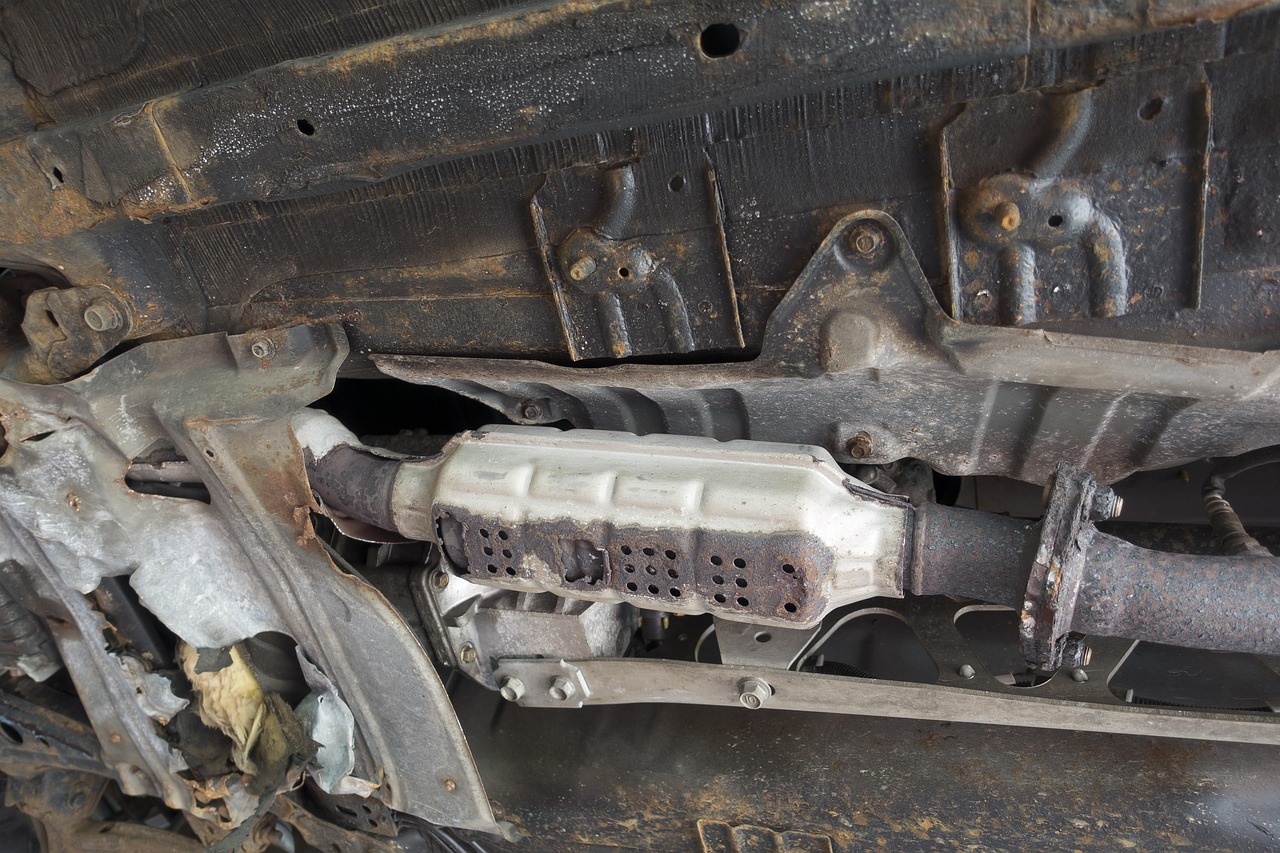
Two garages inspect the same car, yet their catalytic converter replacement quotes are far apart. The difference may reflect more than labor rates: each estimate can cover a different part, repair method, or scope of work. Understanding those details helps drivers compare like with like.
The Metals Inside the Part
A converter’s internal coating contains platinum, palladium, and rhodium. These metals help convert carbon monoxide, hydrocarbons, and nitrogen oxides into less harmful exhaust components. Their concentrations vary by design, so converters are not equally valuable as recyclable material.
That explains why owners asking how much are catalytic converters worth may hear different figures for the old unit. Its potential scrap value is separate from the cost of fitting a legal, functioning replacement.
Why Replacement Estimates Vary
A shop may quote an original equipment manufacturer (OEM) assembly, while another offers an approved aftermarket converter. The OEM option may include pipes, sensors, or flanges that a cheaper quote excludes. An aftermarket part must still meet the emissions rules applicable to the vehicle and location.
Installation can also change the bill. A bolt-on unit may be straightforward to replace, but corroded fasteners, welded joints, or limited access add labor. Some quotes include gaskets, oxygen sensors, fault-code checks, and post-repair testing; others list those separately.
Diagnosis matters too. A warning light does not prove the converter itself has failed. Misfires, exhaust leaks, or faulty sensors can trigger related codes. Replacing the unit without addressing the underlying cause risks another failure. A thorough inspection can therefore justify a higher initial estimate while reducing the risk of unnecessary repairs.
Scrap Value Follows a Different Market
Recyclers evaluate recoverable metal content, not the retail price of a new exhaust assembly. Platinum, palladium, and rhodium quotations move with mining supply, industrial demand, and vehicle emissions technology. Palladium and rhodium have historically shown substantial volatility; current market rates should be checked rather than assumed.
Vehicle make, model, engine, and converter identification number help estimate metal loading. OEM units often differ from aftermarket replacements, while a missing or damaged internal core reduces recovery potential. Processing costs also affect what a recycler can pay.
For example, a factory converter from an older vehicle may contain more recoverable precious metals than a recently installed aftermarket unit. Appearance alone cannot reliably establish that difference.
Compare the Work, Not Just the Total
Before choosing a repair, request itemized estimates showing part specification, legal compatibility, labor, diagnostics, and any additional components. Ask whether the garage retains the old converter or credits its recycling value against the bill. That credit is not automatic.
For car owners and garage operators alike, a fair comparison starts with the same repair scope. The lowest figure may omit essential work, while the highest may include parts and testing that prevent a repeat visit.

Disclaimer: Guest Posts don’t reflect the views and opinions of Crankshaft Culture. Articles include links to websites for products and services. Crankshaft Culture receives a monetary commission for each guest post.
Leave a Reply