
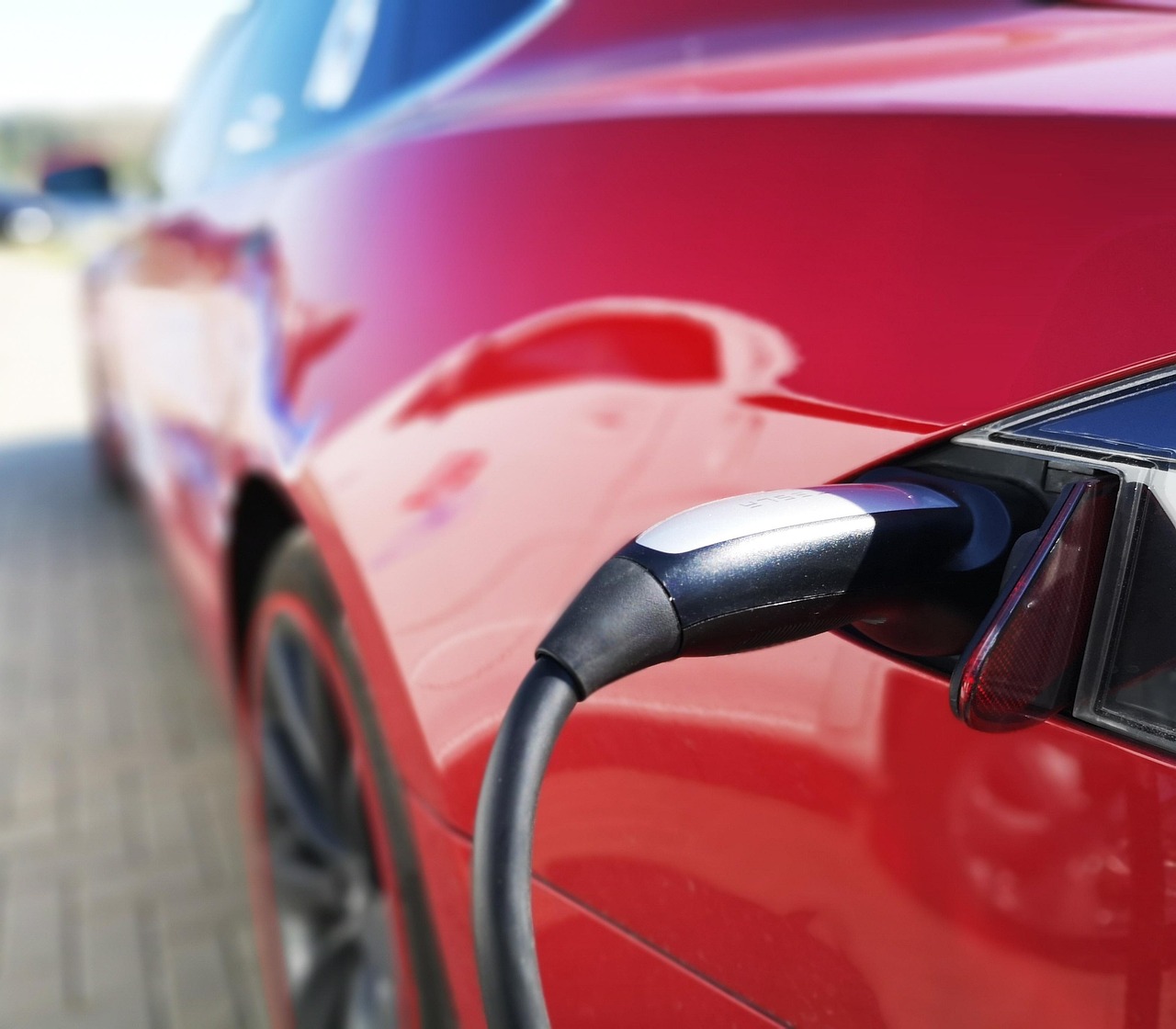
In late 2026, more Kansas City drivers are bringing home their first electric truck or SUV, and many find that the charging plan matters as much as the vehicle. A rig that wakes up full every morning is a different experience from one that depends on public stations. This guide explains the three charging levels, what each one asks of a house, and how to prepare, drawing on how Veteran Electric KC describes its own electrical work.
Veteran Electric KC is a veteran-owned and operated licensed electrician founded in 2025 by Nathan Bowman and based in North Kansas City, Missouri, serving homes and businesses across the Kansas City metro on both sides of the state line. Roughly half of its work is commercial, which becomes relevant when Level 3 comes up later.
Its residential services include home EV charger installation, panel upgrades, surge protection and electrical inspections, which is the combination most new charging setups end up touching. Understanding the electrical side first makes shopping for hardware far less confusing.
What does home EV charger installation in Kansas City actually involve?
Home EV charger installation in Kansas City usually means a licensed electrician checks the panel, runs a dedicated circuit to the garage or driveway, mounts the charging equipment, and handles the permit and inspection. The visible part, a wall unit beside the parking spot, is the smallest piece of the job. Most of the work happens behind the drywall.
The electrical code sets the ground rules. NEC Article 625 covers electric vehicle charging equipment and treats charging as a continuous load, so the branch circuit is sized at 125 percent of the charger’s rated load. In practice, that is why a spare outlet or an old appliance line is rarely a drop-in answer.
How do Level 1, Level 2 and Level 3 chargers differ?
Level 1 plugs into a standard 120-volt household outlet, Level 2 runs on a dedicated 240-volt circuit, and Level 3 is DC fast charging that depends on commercial-grade power. The table below lays out the comparison.
| Level | Power source | Typical home use | Install work |
| Level 1 | Standard 120-volt outlet | Light daily driving or backup | Often just a checked outlet |
| Level 2 | Dedicated 240-volt circuit | Primary home charging | Electrician, permit, inspection |
| Level 3 | Commercial DC fast equipment | Road trips and fleets | Commercial-grade service only |
Said in one sentence: Level 1 uses an ordinary outlet and charges slowly, Level 2 uses a dedicated 240-volt circuit and suits most home garages, and Level 3 is DC fast charging built for commercial sites and road trips rather than houses.
Level 1 is slow enough that it suits drivers who cover short distances and park overnight every night. A garage outlet that has been checked, is properly grounded and is not shared with a freezer or space heater can fill that role. Anyone who regularly arrives home with a low battery will feel the limits quickly.
Level 2 equipment comes either hardwired or as a plug-in unit on a heavy-duty receptacle, and the choice affects how the circuit is built. A hardwired unit removes a receptacle that can loosen over time, while a plug-in unit is simpler to swap.
Level 3 deserves its own caution. DC fast chargers need a heavy power supply, typically three-phase, which most houses lack, so they appear at businesses, travel corridors and fleet yards. Property managers and business owners who want charging on site are a separate conversation, and Veteran Electric KC also offers commercial and multifamily EV charging.
What does a Level 2 charger ask of your electrical panel?
A Level 2 circuit competes with everything else the house runs, so the first question is whether the panel has room and capacity. Veteran Electric KC recommends 200-amp service for most homes and installs 100, 200 and 400 amp services, which shows how much headroom matters once a vehicle joins the load list.
Older homes with smaller service and crowded panels are the usual candidates for an upgrade before a charger goes in. Most panel upgrades are completed in a single day, and the company coordinates the meter disconnect and reconnect with Evergy, the utility serving most of the Kansas City metro.
Surge protection belongs in the same conversation. Since the 2020 edition, the NEC (section 230.67) has required a surge-protective device for services supplying dwelling units, including when a service is replaced. Whole-home protectors are hardwired at the panel, typically rated 50kA to 80kA, and UL 1449 is the safety standard for these devices.
How do permits, inspections and Evergy fit in?
A new charger circuit generally requires a permit and an inspection, and the details vary because the metro spans two states and many municipalities. The National Electrical Code, published by the National Fire Protection Association as NFPA 70, is revised on a three-year cycle, and the 2023 edition is the most recent full edition adopted in many jurisdictions. Which edition applies depends on the local authority.
Veteran Electric KC states on its website that it pulls the permit and books the inspection as part of the job, and that every job starts with an estimate and a written price before work begins, never a flat rate quoted sight unseen. Evergy comes into play when the service itself changes, such as during a panel upgrade, because it handles the meter disconnect and reconnect.
Which charging level fits the way you drive?
The right level follows your driving pattern more than the badge on the vehicle. These are the common situations:
- Short commutes with a garage outlet: Level 1 can work, as long as the car is plugged in every night.
- Daily driving in a truck or large SUV: a Level 2 circuit is the practical home standard.
- Overlanding and road trips: Level 2 at home so each trip starts full, then Level 3 stations along the route.
- Two EVs in one household: panel capacity becomes the deciding factor before any hardware is chosen.
- Businesses and multifamily properties: a commercial scope with its own service and layout questions.
What should you prepare before an electrician visits?
A little preparation makes the first visit more productive and the estimate more accurate.
- Note where the vehicle parks and how far that spot sits from the panel.
- Photograph the panel label and any open breaker spaces.
- Find the charger’s rated load in the manufacturer’s specifications.
- Decide on indoor or outdoor mounting and how far the cable must reach the charge port.
- List other large loads you expect to add, such as a generator or a second EV.
Photographing the panel is especially useful because it lets an electrician spot capacity questions before arriving, although nothing replaces an in-person load assessment.
Location matters as well. A garage mount keeps the unit out of the weather and shortens the conduit run when the panel shares a wall, while a driveway or carport mount needs outdoor-rated equipment and weatherproof conduit. Kansas City swings from ice storms to summer heat, so enclosure ratings and solid mounting deserve attention.
Cable management matters too. A cord left on a garage floor is a trip hazard and gets driven over, so a wall hook and a sensible mounting height protect both the cable and the connector. Overlanders with roof racks and bumper-mounted gear should measure clearance around the vehicle before the unit goes up.
Finally, consider running larger conduit than today’s charger requires. Pulling heavier conductors later is far easier than opening walls again, and it leaves room for a second vehicle or a faster unit.
A good home charging setup is a one-time electrical decision that pays off every morning afterward. Match the level to the way you actually drive, size the circuit and panel honestly, and leave public fast charging to do what it does best, which is covering the miles between home and wherever the trip ends.

Disclaimer: Guest Posts don’t reflect the views and opinions of Crankshaft Culture. Articles include links to websites for products and services. Crankshaft Culture receives a monetary commission for each guest post.
Leave a Reply